
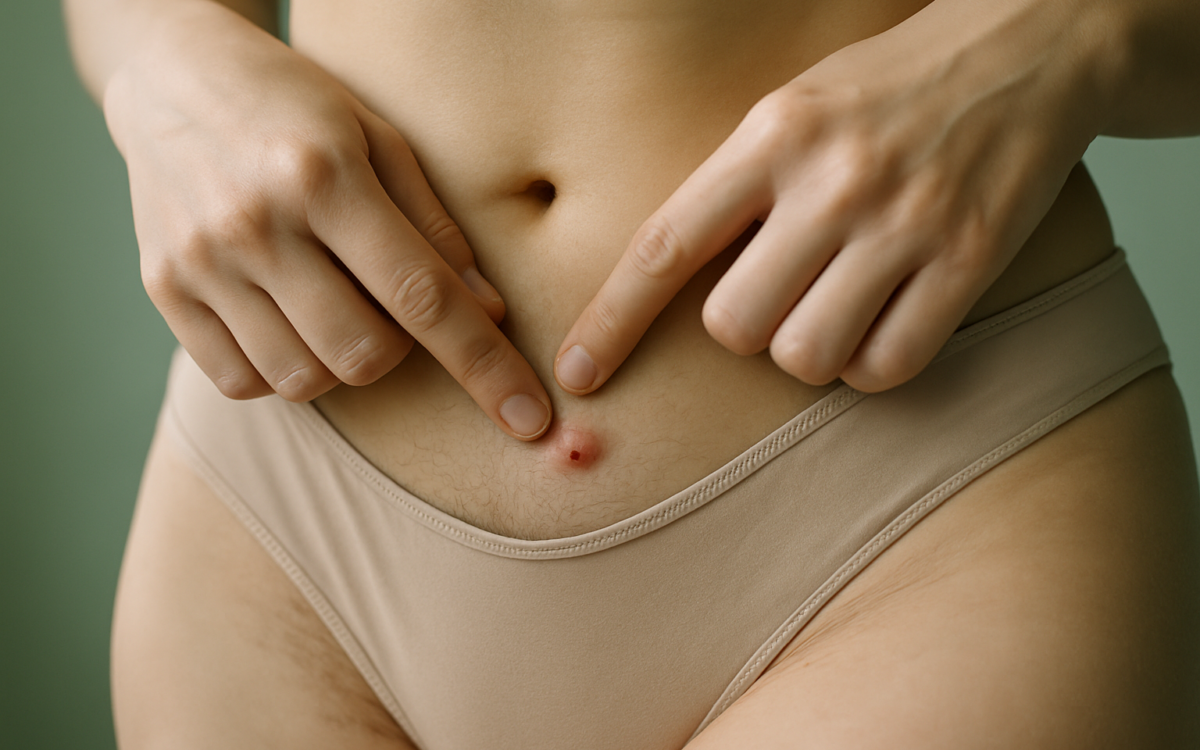
Ingrown pubic hair can be an uncomfortable and sometimes painful condition affecting many people. While often more of an annoyance than a serious health issue, ingrown hairs can lead to irritation, infection, and changes in skin appearance. Understanding what causes them and how to prevent and treat them can help keep your skin healthy and irritation-free.
What is an ingrown pubic hair?
An ingrown pubic hair occurs when a hair that has been shaved or removed begins to grow back into the skin instead of outward. This often creates small, red bumps that can be itchy or painful. In some cases, ingrown hairs may become infected and require medical attention.
Common causes of ingrown pubic hair
Ingrown hairs can occur for several reasons, including:
- Shaving: One of the most common causes of ingrown hairs in the pubic region is shaving. When hair is cut at an angle, it may curl back into the skin as it grows out.
- Waxing: While waxing can remove hair from the root, it can also create sharp hair edges that may pierce the skin as the hair regrows.
- Curly hair: People with curly or coarse hair may be more prone to ingrown hairs. The natural curl can cause the hair to grow back into the skin instead of straight out.
- Clothing friction: Tight clothing can also contribute to ingrown hairs. The constant friction against the skin can irritate hair follicles and encourage ingrown hairs to form.
Symptoms of ingrown pubic hair
Recognizing the signs of ingrown pubic hair can help you address them before they worsen. Symptoms may include:
- Small red bumps or pimples in the pubic area
- Itching or tenderness around the affected area
- Pain or discomfort, particularly when the area is touched
- Discoloration or changes in skin texture
How to prevent ingrown pubic hair
Preventing ingrown hairs begins with simple grooming changes. Here are some strategies you can implement:
- Shave less frequently: Allowing hair to grow out longer between shavings can reduce the chance of ingrowth.
- Use proper shaving techniques: Always use a clean, sharp razor and shave in the direction of hair growth. Avoid shaving too closely to the skin.
- Exfoliate: Regular exfoliation can help remove dead skin cells that may block hairs from growing outward. Look for gentle exfoliating scrubs or use a soft washcloth in the shower.
- Loosen clothing: Wearing loose-fitting clothes can minimize friction and irritation in the pubic area, reducing the risk of ingrown hairs.
Treating ingrown pubic hair
If you develop an ingrown hair, there are several steps you can take to treat it:
- Warm compress: Applying a warm, damp cloth to the area can help soothe irritation and may encourage the hair to break through the skin.
- Avoid picking: Resist the urge to pick at or squeeze the ingrown hair, as this can lead to infection or scarring.
- Topical treatments: Over-the-counter topical treatments containing ingredients like salicylic acid or benzoyl peroxide can help reduce inflammation and clear up infected areas.
- Consult a healthcare provider: If an ingrown hair becomes increasingly painful, shows signs of infection, or does not improve with at-home care, consider speaking with a healthcare professional.
When to see a doctor
You should consult a doctor if:
- The area around the ingrown hair becomes red, swollen, or filled with pus.
- You experience increasing pain or discomfort that isn’t relieved by over-the-counter treatments.
- You have repeated occurrences of ingrown hairs that do not respond to home care.
Conclusion
Ingrown pubic hair is a common issue that can lead to discomfort and sometimes infection. Understanding its causes and adopting preventive measures can significantly reduce the risk of developing ingrown hairs. If you do encounter this situation, remember that most cases can be managed with simple at-home remedies. However, don’t hesitate to reach out to a healthcare provider for persistent or severe concerns. Keeping your skin healthy and irritation-free will help you feel comfortable in your own skin.
