
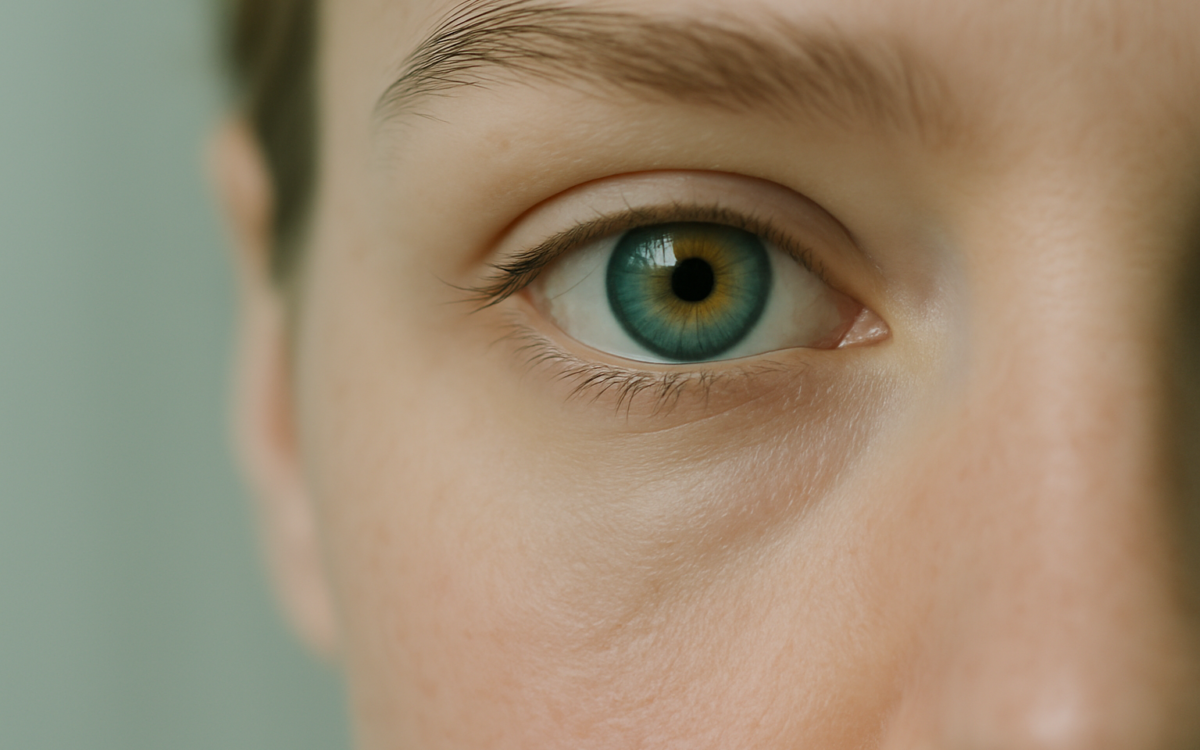
Imagine looking into someone’s eyes and seeing two distinct colors, almost like a work of art painted across the iris. One particular eye condition that creates such stunning visual effects is called centralised heterochromia. This intriguing variation in eye color is not just an aesthetic curiosity—it has various implications for health and genetics. In this article, we’ll explore what centralised heterochromia is, its possible causes, and any health considerations associated with this unique condition.
What is Centralised Heterochromia?
Centralised heterochromia is a specific type of heterochromia, a term that describes when an individual has two different colors in their irises. In centralised heterochromia, one part of the iris near the pupil is a different color from the rest of the iris. For example, a person might have a bright blue outer ring with a golden center, creating a striking contrast.
This condition can occur in one or both eyes, resulting in a remarkable appearance that often garners attention. People with this condition may sometimes refer to it as “eye candy” due to its unique look, but it can also raise questions about its implications for health and well-being.
Causes of Centralised Heterochromia
While the exact cause of centralised heterochromia can vary, it is primarily linked to genetic factors. Below are some considerations regarding its causes:
- Genetics: The most common reason for centralised heterochromia is hereditary. If family members exhibit similar eye colors, genetics likely play a major role.
- Developmental Factors: In some cases, centralised heterochromia may arise during the development of the eye during fetal growth. Changes in the distribution of melanin, the pigment that gives color to our irises, can lead to different shades in one eye.
- Medical Conditions: Certain conditions can result in eye color changes. For instance, congenital conditions like Peters anomaly or syndromes such as Waardenburg syndrome may manifest in altered eye pigmentation.
Is Centralised Heterochromia Common?
Centralised heterochromia is quite rare compared to other forms of heterochromia. Most people with heterochromia have complete heterochromia, where one eye is a different color from the other, rather than a section of color variation within a single iris.
Due to its rarity, individuals with this condition often attract interest, whether within social circles or in media representations. Celebrities with striking eye colors sometimes increase public fascination with heterochromia, bringing more attention to unique eye conditions.
Health Implications of Centralised Heterochromia
Generally, centralised heterochromia alone is not a health concern. For many people, it is simply a benign and beautiful trait. However, it is essential to remain aware of any potential underlying health issues, particularly if the change in eye color occurs suddenly or is accompanied by other symptoms.
Some health conditions associated with altered eye color may include:
- Anterior Segment Dysgenesis: This encompasses various abnormalities in the part of the eye responsible for focusing light, which can sometimes be detected alongside eye color variations.
- Uveitis: An inflammation of the middle layer of the eye, uveitis can impact eye color but is usually accompanied by additional eye discomfort or vision changes.
- Medication Effects: Some medications, particularly those that affect the adrenergic or melanin systems, may cause changes in iris color.
Understanding Emotional and Social Aspects
While the physical aspects of centralised heterochromia are fascinating, it’s also essential to consider the emotional and social dimensions. People with this unique eye color may experience various reactions when others notice their eye differences.
Many find their heterochromia serves as an icebreaker, drawing compliments or invitations for conversation. Others may feel self-conscious or different due to their striking eyes. It’s crucial to support individuals positively and understand that diversity in physical traits can enhance our society’s rich tapestry.
When to See a Doctor
If you notice any unusual changes in eye color or experience symptoms such as blurred vision, pain, light sensitivity, or sudden changes in vision, it’s crucial to consult a healthcare provider. A thorough eye examination can rule out any underlying conditions that may require attention. For general concerns about heterochromia or related conditions, seeking advice from an eye care professional is a wise step.
Conclusion
Centralised heterochromia is a captivating condition that highlights the beauty of human diversity. While it predominantly arises from genetic factors and does not typically indicate health issues, remaining vigilant and aware of any eye changes is important. The next time you come across someone with different eye colors, think about the fascinating underlying stories that make each individual unique.
