
A bright, white smile is often associated with good health and confidence. Many people seek out ways to improve the whiteness of their teeth, driven by cosmetic desires or even cultural expectations. Fortunately, there are numerous options available for achieving great whitening, ranging from over-the-counter products to professional treatments. However, it’s essential to understand the various methods and their safety to ensure you get the best results without risking your dental health.
Understanding Teeth Staining
Before diving into whitening methods, it helps to know why teeth become discolored. Staining occurs primarily from two sources: extrinsic and intrinsic factors. Extrinsic stains are those on the surface of the teeth, usually caused by foods, beverages, tobacco, or poor oral hygiene. Common culprits include coffee, tea, red wine, and berries. Intrinsic stains, on the other hand, originate from within the tooth and can be caused by factors such as aging, certain medications (like tetracycline), or excessive fluoride.
Whitening Options: Over-the-Counter Treatments
Many consumers opt for over-the-counter (OTC) whitening products due to their accessibility and affordability. Some popular OTC options include:
- Whitening Toothpaste: These include mild abrasives and chemical agents designed to remove superficial stains. While they can help maintain white teeth, they are less effective for deeper stains.
- Whitening Strips: Thin, flexible strips coated with a peroxide-based whitening gel. These can lighten the teeth gradually when used consistently over a few days or weeks.
- Whitening Trays: These are customized or generic trays that you fill with a whitening gel and wear for a specific duration. Some trays are made for overnight use, while others are designed for a few hours during the day.
While these products can be effective, it’s crucial to follow usage instructions carefully, as overuse may lead to tooth sensitivity or gum irritation. According to the Mayo Clinic, moderation is key to achieving optimal results while minimizing side effects.
Professional Whitening Treatments
If you’re looking for faster and more dramatic results, professional whitening treatments may be the best option. Dentists offer a range of services, including:
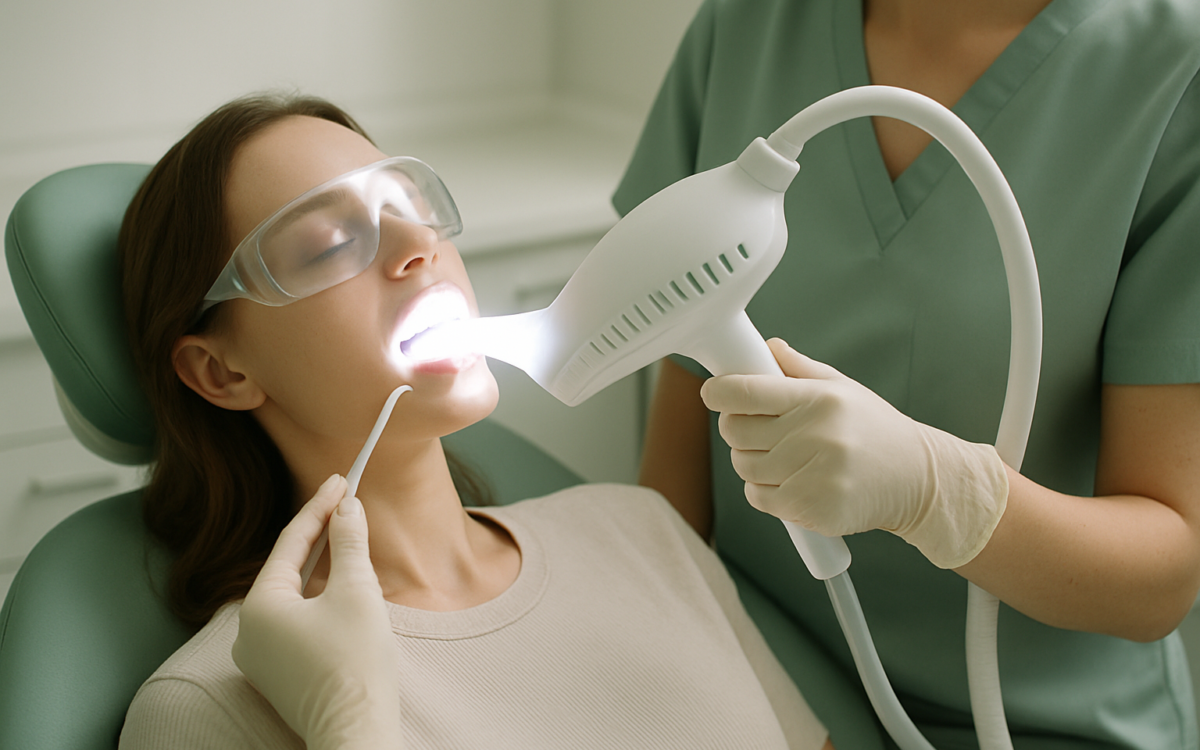
- In-Office Whitening: A procedure that involves applying a whitening agent to the teeth and activating it with a special light. This method can produce noticeable results in just one session.
- Take-Home Kits: Dentists may provide customized whitening trays with professional-grade whitening gel for you to use at home, offering a balance between convenience and effectiveness.
Professional treatments tend to yield better results than OTC products, thanks to the higher concentration of bleaching agents used. Always discuss your options with your dentist to choose the approach that’s best for your dental health and aesthetic goals.
Natural Remedies for Teeth Whitening
Some individuals prefer natural methods for teeth whitening. While these options are generally less effective, they can be gentler on enamel and gums. Common natural remedies include:
- Baking Soda: Known for its mild abrasive properties, baking soda can help scrub away surface stains. You can mix a small amount with water to create a paste for brushing, but use caution as excessive scrubbing can damage enamel.
- Activated Charcoal: Some people use activated charcoal to whiten teeth, claiming it draws out toxins and stains. However, scientific support for this method is limited, and it may also be abrasive.
- Coconut Oil Pulling: This traditional remedy involves swishing coconut oil in your mouth and is said to help reduce plaque and staining.
Although natural remedies can be appealing, it’s essential to research their effectiveness and safety. Consultation with a dental professional can help guide your choices.
Considering International Treatments
For those seeking whitening treatments abroad, perhaps due to travel or cost considerations, options may vary significantly. Countries like Turkey offer various dental treatments, including teeth whitening, at often lower prices than in the U.S. For instance, Acibadem International provides specialized dental care with advanced techniques and trained professionals, attracting many looking for comprehensive dental solutions, including whitening. Whether at home or abroad, be sure to choose facilities that maintain high hygiene standards and have qualified staff.
Maintaining Your Whitened Smile
After investing time and money into achieving brighter teeth, maintaining that shine is crucial. Here are some tips to help keep your smile looking its best:
- Practice Good Oral Hygiene: Brush at least twice daily and floss regularly to keep your teeth and gums healthy.
- Limit Staining Foods and Drinks: While it’s not necessary to eliminate your favorite foods completely, being mindful can help. Use a straw for beverages like soda or coffee to reduce contact with teeth.
- Regular Dental Checkups: Visit your dentist every six months for professional cleanings and advice on maintaining your whitening results.
Remember, regular cleanings can help remove stains and keep your smile looking bright.
When to See a Doctor
If you experience severe tooth sensitivity or gum irritation from whitening products, it’s advisable to consult your dentist. Additionally, if you notice sudden discoloration or changes in your oral health, seeking professional advice can help ensure the best care for your teeth.
While achieving great whitening may require some effort and investment, knowing your options and maintaining a good oral hygiene regimen can lead to a brighter smile you’ll feel proud to share. Always approach teeth whitening with care, and prioritize the health of your teeth alongside aesthetic desires.
