
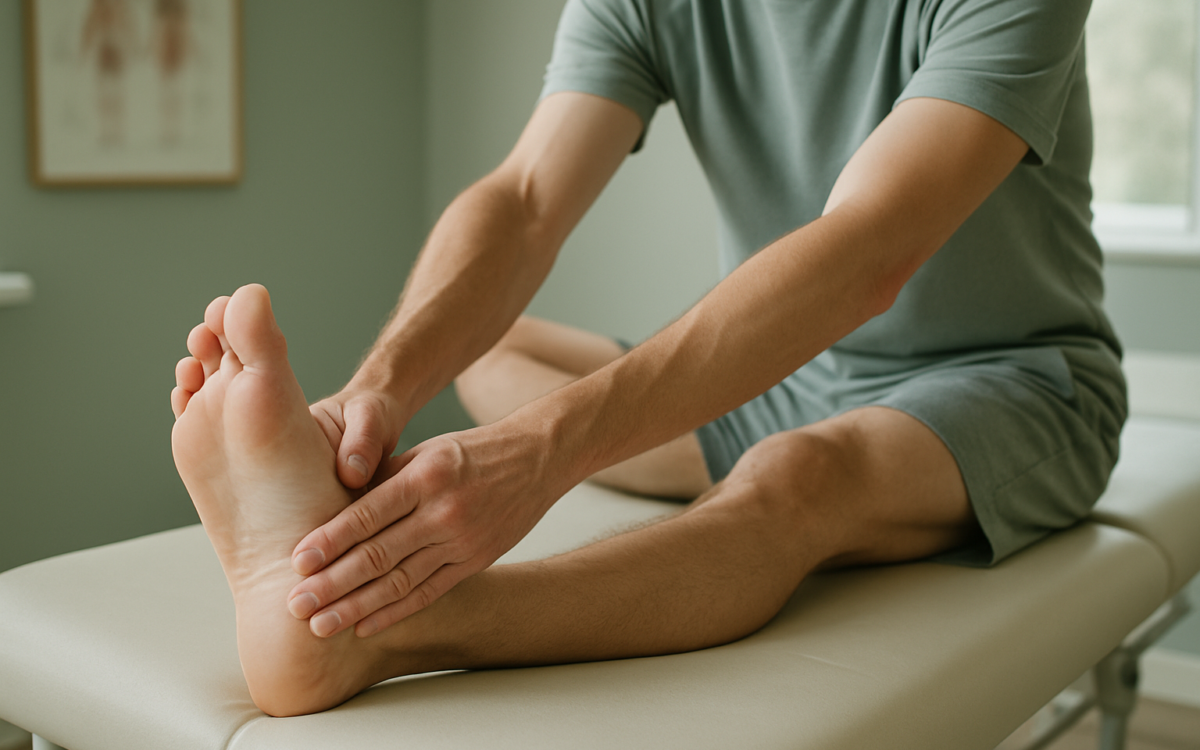
Muscle cramps can be sudden, painful interruptions to our daily activities. Whether they strike during exercise, at night, or while sitting at your desk, these involuntary contractions can leave you feeling helpless and searching for relief. Stretching exercises can be a particularly effective way to alleviate cramps, as they not only ease the tightness in affected muscles but also contribute to overall flexibility and circulation. This article will explore various stretching techniques that can help you tackle muscle cramps, enhancing your mobility and improving your overall health.
Understanding Muscle Cramps
Before diving into effective stretching exercises, it’s important to understand muscle cramps better. According to the National Institutes of Health, muscle cramps are involuntary contractions that can occur in any muscle, but they are most common in the legs, feet, and arms. Common causes include overuse of muscles, dehydration, inadequate blood supply, or nutrient imbalances, such as low potassium or magnesium levels.
Warm-Up: Preparing Your Muscles
Before performing any stretching exercises, it is essential to warm up your muscles. A gentle 5 to 10-minute warm-up increases blood flow and prepares your muscles for deeper stretching. Here are some simple warm-up activities:
- Brisk walking or light jogging
- Arm circles to loosen up your shoulders
- Leg swings to activate your leg muscles
- Gentle lunges to engage your hips and thighs
These activities increase circulation and reduce the risk of injury during stretching.
Key Stretching Exercises for Muscle Cramps
Below are some specific stretching exercises that can ease muscle cramps and help you maintain flexibility.
Calf Stretch
The calf stretch targets the muscles at the back of the lower leg, which are often a source of cramps during exercise or at night.
- Stand at arm’s length from a wall, placing your hands against it.
- Step one foot back, keeping it straight with the heel on the ground.
- Bend your front knee while leaning into the wall until you feel a stretch in your back leg.
- Hold the position for 20-30 seconds, then switch legs.
Hamstring Stretch
This stretch helps to alleviate tension in the back of the thigh, a common area for cramping.
- Sit on the ground with one leg straight out in front of you and the other bent, with the foot against your inner thigh.
- Lean forward from your hips toward your extended leg, keeping your back straight.
- Reach for your foot or ankle, feeling the stretch at the back of your thigh.
- Hold for 20-30 seconds, then switch to the other leg.
Quadriceps Stretch
The quadriceps stretch targets the front thigh muscles, which can cramp during physical activity.
- Stand and grab your ankle behind you with one hand.
- Pull your ankle towards your glutes, keeping your knees together.
- Hold onto a wall or chair for balance if needed.
- Keep your hips pushed forward to deepen the stretch.
- Hold for 20-30 seconds before switching sides.
Hip Flexor Stretch
The hip flexor stretch helps to open up the hip area, which can become tight and lead to cramps.
- Begin in a lunge position with one knee on the ground and the other foot in front at a 90-degree angle.
- Push forward gently using your hips until you feel the stretch in the front of your hip.
- Hold for 20-30 seconds before switching to the other side.
Incorporating Stretching into Your Routine
To get the most benefits from stretching exercises and to reduce muscle cramps, consider incorporating these stretches into your routine consistently:
- Perform stretches before and after workouts to warm up and cool down your muscles.
- Include stretching as part of your daily routine, even on rest days.
- Focus on hydration and nutrition, as these factors can contribute to muscle function and cramp occurrence.
By blending these practices into your life, you can significantly boost your body’s resilience to cramps.
When to See a Doctor
While occasional muscle cramps are generally harmless, you should consult a healthcare professional if you experience:
- Cramping that is severe or persistent
- Muscle cramps that occur frequently without obvious reason
- Swelling or redness in a muscle
- Muscle cramps accompanied by significant pain or weakness
Your doctor can help identify any underlying issues and suggest appropriate treatments.
Conclusion
Muscle cramps can be a frustrating aspect of life, but effective stretching exercises can aid in relieving them and improving your overall mobility. By incorporating these stretches into your routine and paying attention to your hydration and nutrition, you can take proactive steps toward enhancing your muscle health. Always keep an open line of communication with your healthcare provider to keep your muscles in shape and your body feeling great.
