
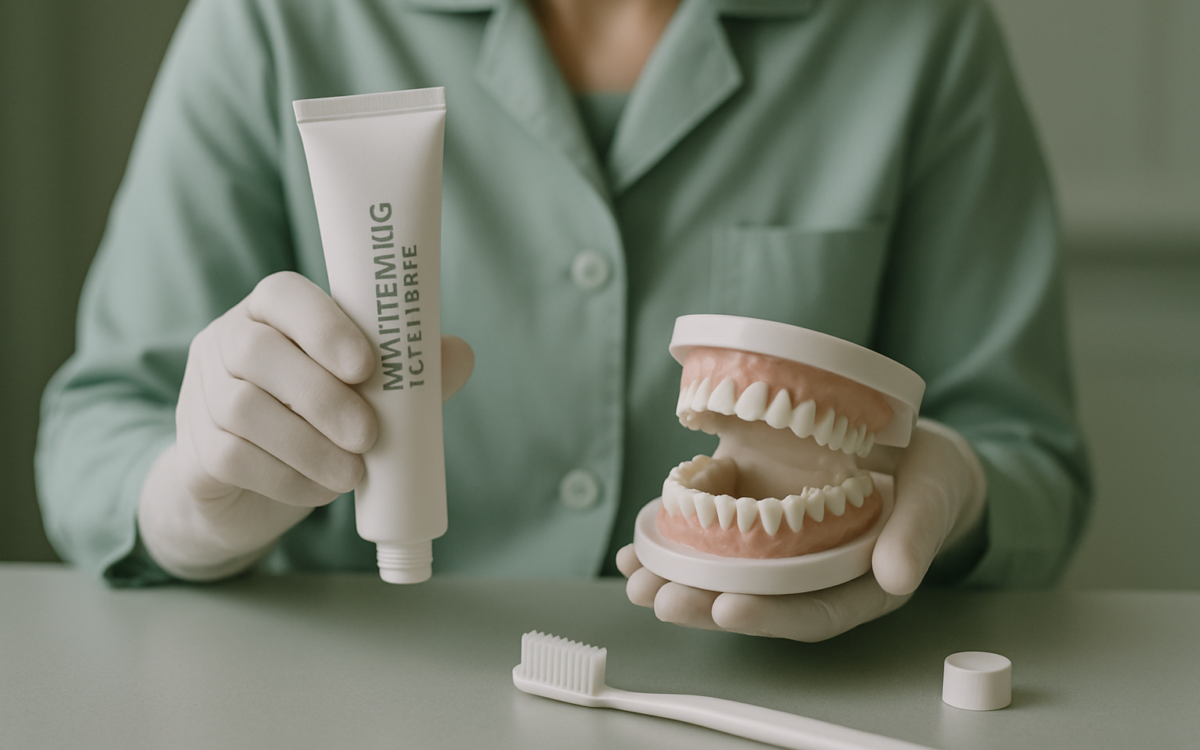
A vibrant, white smile often boosts confidence and adds to overall attractiveness. In the quest to achieve that dazzling smile, many people turn to dentistry and oral care products. Among these options, dentist whitening toothpaste comes into play as a potential solution to enhance the whiteness of your teeth. But how effective is it? What ingredients should you be looking for? This article unpacks dentist whitening toothpaste to help you make an informed decision about your dental care.
What Is Dentist Whitening Toothpaste?
Dentist whitening toothpaste is a special type of toothpaste formulated not just for cleaning your teeth, but also for removing surface stains and brightening your smile. While regular toothpaste primarily helps with preventing cavities, the whitening variant includes additional ingredients that specifically target discoloration caused by food, drinks, and lifestyle choices.
How Does Whitening Toothpaste Work?
Whitening toothpaste typically contains mild abrasives and/or chemical agents designed to tackle surface stains. Here’s how these elements function:
- Abrasives: Ingredients like silica and calcium carbonate are commonly found in whitening toothpaste. They work by physically scrubbing away stains on the enamel surface without damaging it.
- Whitening Agents: Some dentist whitening toothpastes include chemical agents such as hydrogen peroxide or baking soda. These substances work by breaking down compounds that cause discoloration, thus contributing to a whiter appearance.
While these methods can lead to noticeable whitening, results may vary significantly between individuals based on the existing condition of teeth and the specific formulation of the toothpaste.
Is Dentist Whitening Toothpaste Effective?
According to research published in peer-reviewed journals, the effectiveness of whitening toothpaste is generally positive, but results may take time. Some studies suggest that people can see a difference in their dental shade after about four to six weeks of regular use. However, this varies depending on factors such as:
- The severity of the staining.
- The frequency of brushing (twice daily is typically recommended).
- The specific toothpaste brand and formulation.
If you have moderate to severe staining, whitening toothpaste alone may not achieve the results you desire. Professional teeth whitening options may be more suitable in those cases.
Considerations Before Using Whitening Toothpaste
When choosing a dentist whitening toothpaste, bear in mind the following factors:
- ADA Seal of Acceptance: Look for toothpastes with the American Dental Association (ADA) Seal. This seal indicates that the toothpaste has been scientifically tested for safety and effectiveness.
- Ingredient Safety: Ensure that the toothpaste’s active ingredients are safe for daily use. Ingredients like hydrogen peroxide can be effective, but in high concentrations, they may cause tooth sensitivity.
- Your Dental Health: If your teeth or gums are sensitive, consult your dentist before trying any whitening products. They might recommend alternative options or custom treatments suited to your needs.
Regular consultation with your dentist can help identify any underlying dental issues, making it easier to choose the right whitening product for you.
Whitening Toothpaste vs. Other Whitening Options
While whitening toothpaste is a convenient choice, there are other teeth whitening options available that might offer more immediate and dramatic results:
- Whitening Strips: These are thin strips coated with a peroxide-based whitening gel. They are adhered to the teeth, and users can typically see significant results within a few days to weeks.
- Professional Whitening Treatments: In-office procedures performed by dental professionals often yield the fastest and most effective results, using stronger whitening agents.
- Whitening Kits: Home-use kits provided by dentists typically include custom trays to hold bleaching gel against the teeth, offering a middle ground between over-the-counter products and professional treatments.
While these alternatives may provide faster results, they can also be more costly than over-the-counter whitening toothpaste. Consulting your dentist can help you find the right approach based on your goals and budget.
The Importance of Comprehensive Oral Care
Whitening toothpaste, while helpful, should be part of a complete oral care routine. Here are some essential practices to keep your teeth and gums healthy:
- Brush twice daily: Use fluoride toothpaste to prevent cavities and maintain oral hygiene alongside whitening products.
- Floss daily: Flossing removes plaque and food particles between your teeth, areas your toothbrush might miss.
- Regular dental check-ups: Visiting your dentist at least twice a year ensures any potential problems are detected early.
A comprehensive oral care routine not only contributes to a brighter smile but also supports your overall health.
When to See a Doctor
If you experience tooth sensitivity, persistent pain, or discoloration that doesn’t improve even after using whitening toothpaste, consult your dentist. These could be signs of underlying issues that may require professional intervention. Additionally, if you have specific concerns about the safety and effectiveness of a product, discussing it with a healthcare professional can provide peace of mind.
In conclusion, dentist whitening toothpaste can be an effective and accessible way to enhance the brightness of your smile. While it might not deliver the same dramatic results as professional treatments, it can be a valuable tool in your oral care kit, especially when combined with proper dental hygiene. Remember to consult your dentist for personalized recommendations and to ensure your dental health remains a priority.
