
Many of us dream of a bright, white smile. While tooth whitening products are widely available, it’s essential to understand the facts behind these treatments, their safety, and their effectiveness. This article will explore various tooth whitening methods, helping you choose the right approach for a radiant smile.
What Causes Tooth Discoloration?
Tooth discoloration can happen for several reasons. Here’s a closer look at the most common factors:
- Food and Beverages: Dark-colored foods and drinks like coffee, tea, red wine, and berries can stain teeth over time.
- Tobacco Use: Smoking or chewing tobacco can lead to significant staining.
- Age: As we age, the enamel on our teeth thins, revealing more of the yellow dentin beneath.
- Medications: Some antibiotics, particularly tetracycline, and antihistamines may cause tooth discoloration.
- Dental Hygiene: Poor brushing and flossing habits can lead to plaque buildup, making teeth appear dull or yellow.
Types of Tooth Whitening Methods
There are multiple tooth whitening options available, each with its pros and cons:
1. At-Home Whitening Kits
At-home kits typically include whitening strips, gels, or trays that you use for a specific period. Many of these products contain hydrogen peroxide or carbamide peroxide as their active ingredients.
2. Professional Teeth Whitening
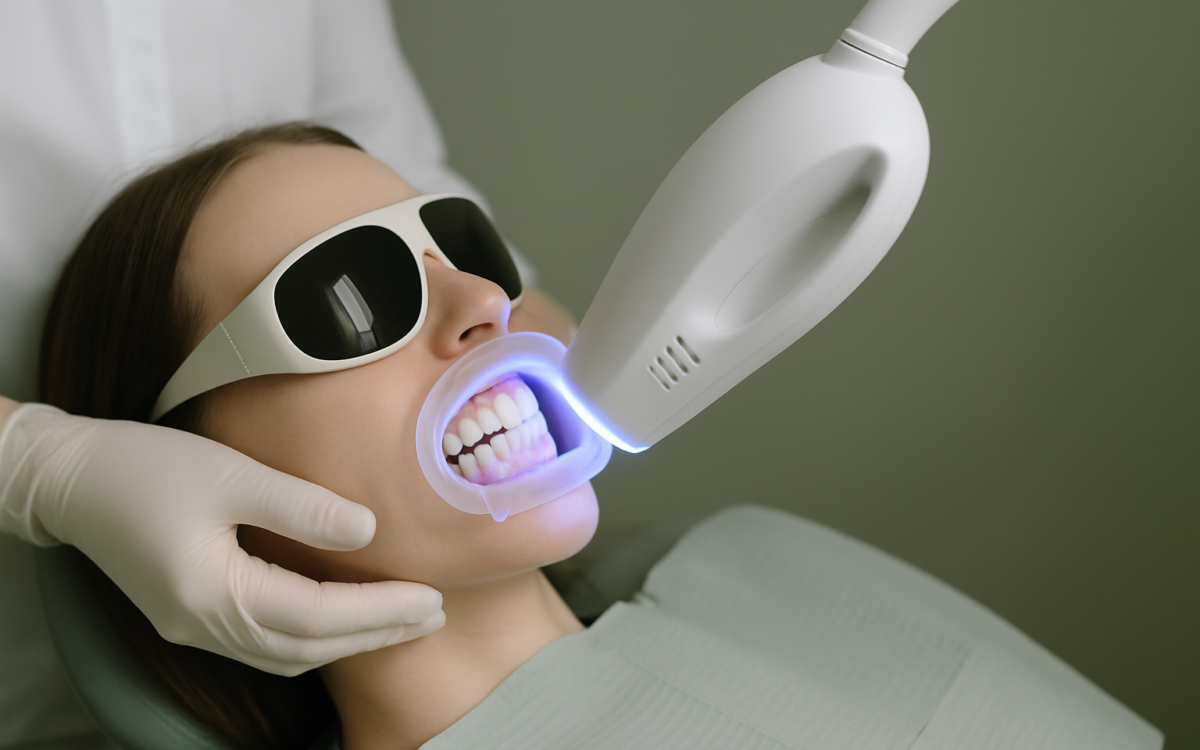
Professional whitening, usually performed at a dentist’s office, offers stronger treatments that can deliver faster results. Your dentist may use a higher concentration of whitening agents along with light or laser for enhanced effectiveness.
3. Whitening Toothpaste
Many toothpaste brands boast whitening properties. While these can help remove surface stains, they may not change the intrinsic color of teeth.
4. Natural Remedies
Some people turn to natural remedies like baking soda, activated charcoal, or apple cider vinegar. While these methods can help remove surface stains, they should be used cautiously due to potential enamel erosion.
Safety Considerations
While many tooth whitening methods are safe, it’s essential to use them as directed. Here are some safety tips:
- Follow Instructions: Always use products according to the manufacturer’s instructions or your dentist’s recommendations.
- Monitor Sensitivity: Some individuals may experience tooth sensitivity during or after whitening treatments. If you notice discomfort, consult your dentist.
- Limit Frequency: Overuse can damage enamel and lead to further discoloration.
- Consult a Professional: If you are unsure which method is right for you, talk to your dentist. They can recommend suitable options based on your dental health.
Effectiveness Over Time
The results from tooth whitening treatments can vary among individuals. Some people achieve a brighter smile that lasts for months, while others may see their teeth return to their original color more quickly. Maintaining oral hygiene and limiting stain-causing foods can help prolong your results.
When to See a Dentist
If you are considering tooth whitening or experience any issues, it’s a good idea to speak with a dentist. Consult your dentist if:
- You have sensitive teeth or gums.
- Your teeth appear more yellow or stained than usual.
- You have dental work such as crowns or veneers that you want to match.
- You are unsure which whitening method is safe and effective for you.
Conclusion
Tooth whitening can be an effective way to boost your confidence and enhance your smile. With various options available, it’s crucial to choose a method that aligns with your needs while ensuring your dental health is prioritized. Always consult your dentist when in doubt, and enjoy your journey to a brighter, whiter smile!
