
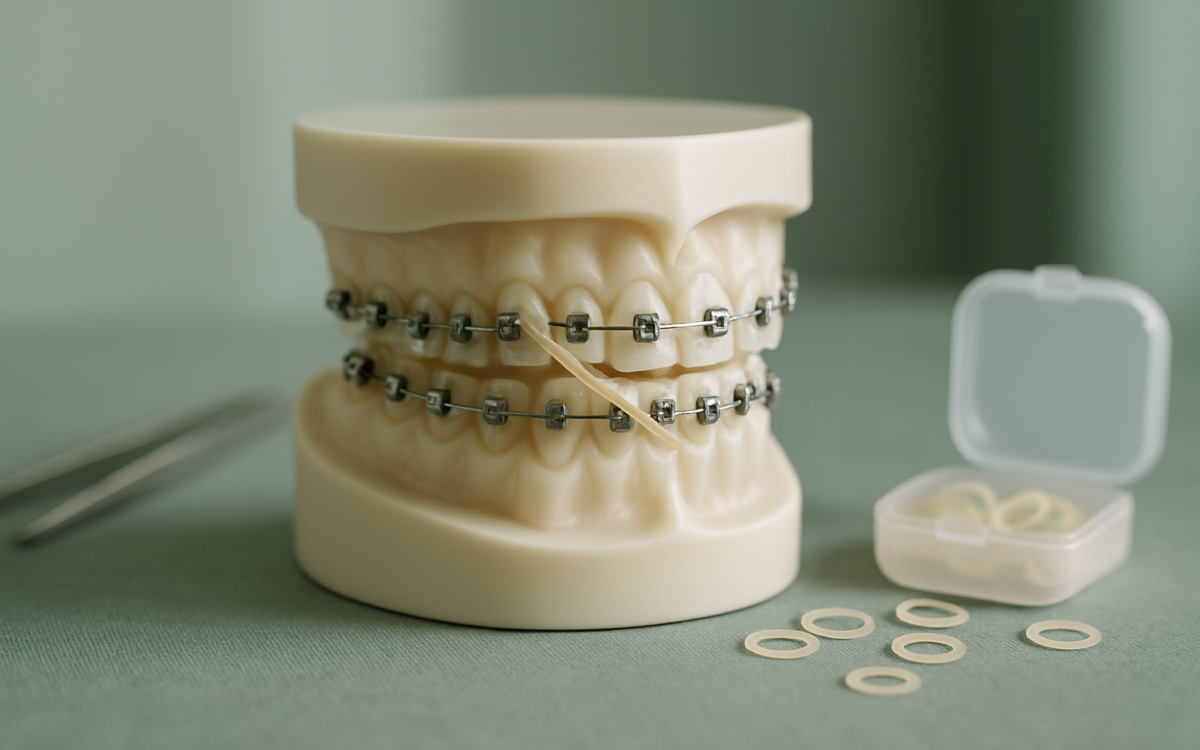
When you think of dental braces, you might picture metallic brackets and wires. However, there’s an important component that plays a crucial role in the braces game: elastics. These small rubber bands are vital for achieving that perfect smile you’ve always wanted. In this article, we will explore what dental braces elastics are, their different types, how they function, and why proper care is essential during your orthodontic journey.
What Are Dental Braces Elastics?
Dental braces elastics, often referred to as orthodontic elastics or simply elastics, are small rubber bands that connect various parts of braces. They help to shift teeth in specific directions in order to improve alignment and bite. Depending on your specific treatment plan, these elastics can exert varying amounts of force to achieve optimal results.
Types of Dental Braces Elastics
The world of dental braces elastics includes several types, each serving a unique purpose:
- Inter-Arch Elastics: These are used to connect the upper and lower teeth. They can help align the bite, control gaps, and correct the positioning of the jaw.
- Class I, II, and III Elastics: These elastics are categorized based on your dental alignment needs. Class I elastics are typically used for minor adjustments, while Class II and III elastics help correct more significant bite issues.
- Triangle and Box Elastics: These elastics are shaped specifically to engage certain teeth. Triangle elastics, for example, connect three points—one on the upper arch and two on the lower arch—while box elastics create a loop to generate more complex movements.
How Do Elastics Work?
Elastics play a critical role in the tooth-moving process. When attached to brackets and wires, they exert gentle, continuous pressure on the teeth. This pressure encourages the teeth to shift gradually into their desired positions. The force applied by elastics can be adjusted by changing how they are placed or by replacing them when they become worn out.
It’s important to wear elastics as directed by your orthodontist. Failure to do so can delay your treatment or lead to less-than-ideal results. Consistent wear means that your orthodontist can monitor your progress effectively and make adjustments as needed.
Proper Care for Dental Braces Elastics
Taking care of your elastics is just as important as taking care of your braces. Here are some essential tips:
- Follow Your Orthodontist’s Instructions: Wear your elastics as prescribed. This may mean wearing them all day and night, changing them regularly, or using specific types for particular times.
- Keep Extra Elastics Handy: Life happens. You may lose an elastic, so having extra on hand ensures that you can replace them immediately if needed.
- Maintain Oral Hygiene: Brushing and flossing your teeth regularly is especially important when you have braces. Make sure to clean around the elastics to avoid plaque buildup.
- Avoid Chewy or Hard Foods: Some foods can dislodge elastics or make them less effective. Stay away from sticky candy, hard nuts, or anything that can pull on your braces.
Potential Issues with Elastics
Though elastics are generally safe, there may be some issues associated with them:
- Discomfort: It’s normal to feel some discomfort when new elastics are placed. This usually lessens as you become accustomed to them. Over-the-counter pain relievers can help.
- Breaking or Losing Elastics: If you frequently lose or break elastics, discuss this with your orthodontist. They may provide you with additional guidance or strategies to wear them more securely.
- Allergic Reactions: Some individuals may experience an allergy to the material in the elastics. If you notice a rash or irritation, consult your orthodontist for alternatives.
When to See a Doctor
If you experience significant discomfort, notice swelling, or have concerns about your orthodontic treatment, it’s essential to consult your orthodontist. They can assess your situation and provide tailored recommendations.
Conclusion
Dental braces elastics play an integral role in the journey toward a healthier, more beautiful smile. Understanding their function, types, and care requirements can empower you to follow through with your orthodontic treatment successfully. Always remember to follow your orthodontist’s instructions and reach out to them if you have any questions or concerns during your treatment. Your smile is worth it!
For more information about dental health, you can explore resources from the Mayo Clinic and the NIH.
