
In today’s fast-paced world, stress can seem inevitable. From work deadlines to family obligations, our lives can fill up with pressures that wear us down. However, managing stress is not only possible, but it can also lead to a happier, healthier life. In this article, we will explore effective stress management techniques that can help you regain control and find peace in your daily routine.
Understanding Stress
Before diving into stress management techniques, it’s helpful to understand what stress is. Stress is your body’s response to demands or challenges. It can affect you physically, emotionally, and mentally. While some stress is a natural part of life—often referred to as acute stress—chronic stress can have more harmful effects on your overall health. Learning to manage both types of stress can greatly improve your quality of life.
Mindfulness and Meditation
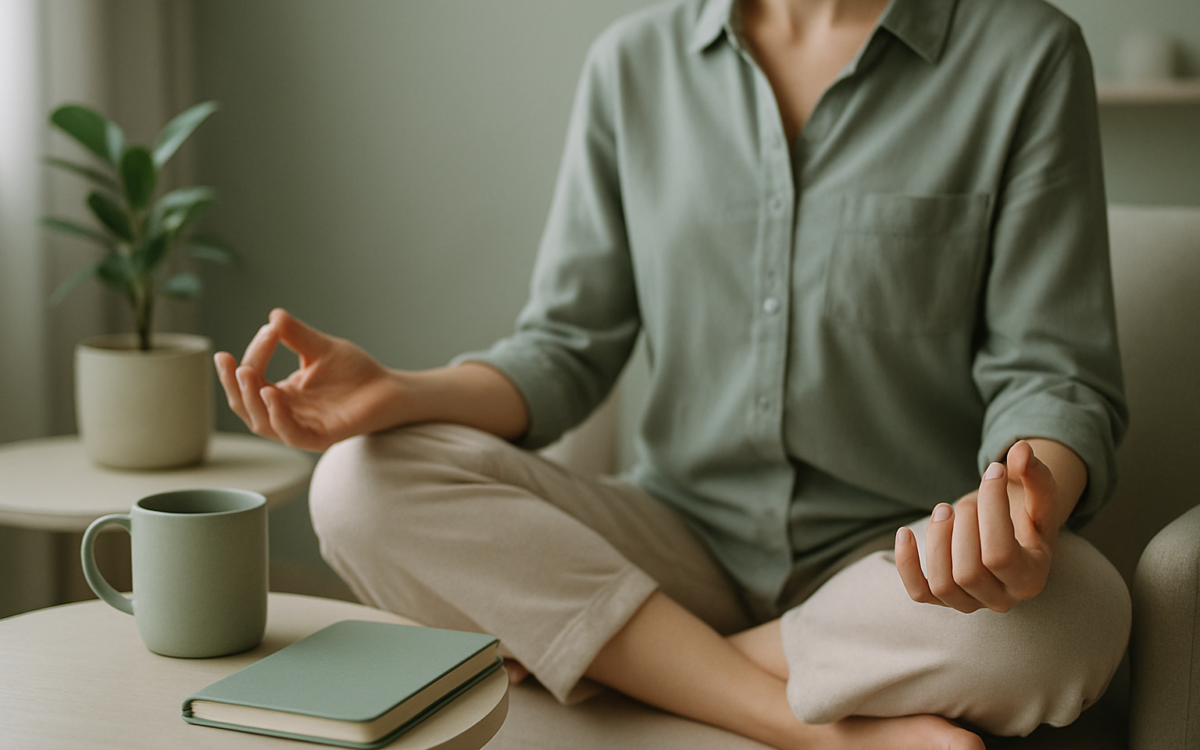
Mindfulness refers to the practice of being fully present in the moment. It encourages awareness without judgment, which can significantly reduce feelings of stress. Meditation, a common mindfulness technique, involves focusing the mind and eliminating distractions.
- Breathing exercises: A simple way to practice mindfulness is through controlled breathing. Inhale deeply through your nose for a count of four, hold for four, and then exhale through your mouth for four. Repeat this for a few minutes.
- Guided meditation: Many apps and online platforms offer guided meditations, which can help you stay focused and reduce stress.
Regular practice of mindfulness and meditation can help you develop greater awareness and resilience to stress. According to the National Center for Biotechnology Information, these techniques can lead to lower levels of cortisol, the body’s primary stress hormone.
Physical Activity
One of the most effective stress management techniques is physical activity. Regular exercise not only boosts your health but also releases endorphins, chemicals in the brain that act as natural painkillers and stress relievers.
- Choose an activity you enjoy: Whether it’s walking, dancing, yoga, or team sports, engaging in activities you love can consistently lower stress levels.
- Set realistic goals: Aim for at least 30 minutes of moderate exercise most days of the week.
As noted by the CDC, physical activity can reduce feelings of depression and anxiety, making it an excellent stress management technique.
Time Management Strategies
Feeling overwhelmed often stems from poor time management. By organizing your time, you can alleviate much of the stress you experience.
- Prioritize tasks: Create a list of tasks for the day and rank them by importance. This allows you to focus on what truly matters.
- Break tasks down: Large projects can be intimidating. Break them into smaller, manageable steps to help reduce anxiety and improve productivity.
- Set boundaries: Learning to say no to non-essential tasks can help protect your time and energy.
Improving time management skills enables you to devote time not only to work but also to relaxation and personal growth, reducing feelings of stress.
Connect with Others
Having a strong support system can greatly influence how you cope with stress. Connecting with friends, family, or coworkers can provide emotional support and offer different perspectives on challenges you may be facing.
- Talk it out: Sharing your feelings and experiences with others can lighten your emotional load and help you feel less isolated.
- Join groups or communities: Engaging in community activities or social groups can create a sense of belonging and provide valuable support.
Research from the World Health Organization highlights the importance of social connections in fostering mental well-being and managing stress.
Practice Self-Care
Self-care is essential for maintaining your mental health and managing stress effectively. It involves activities that prioritize your emotional, physical, and mental well-being.
- Get enough rest: Sleep is not merely rest—it’s a crucial process that helps the body recover and recharge.
- Eat nutritious foods: A balanced diet impacts how you feel on a daily basis. Choose whole foods that nourish your body.
- Engage in hobbies: Make time for activities that bring you joy and fulfillment. Whether it’s reading, gardening, or crafting, hobbies can be excellent stress busters.
By prioritizing self-care, you can build a stronger foundation to manage stress in your life.
When to See a Doctor
If you find that stress is interfering with your daily activities, relationships, or overall quality of life, it may be time to consult a healthcare professional. Persistent stress can lead to more serious health issues, including anxiety and depression. A doctor or therapist can provide guidance and support tailored to your individual needs.
In conclusion, managing stress is possible with these practical techniques. By integrating mindfulness, physical activity, effective time management, social connections, and self-care into your routine, you can create a balanced life. Remember, it’s important to find what works best for you and to reach out for help when you need it. You deserve a life filled with calm and happiness.
