
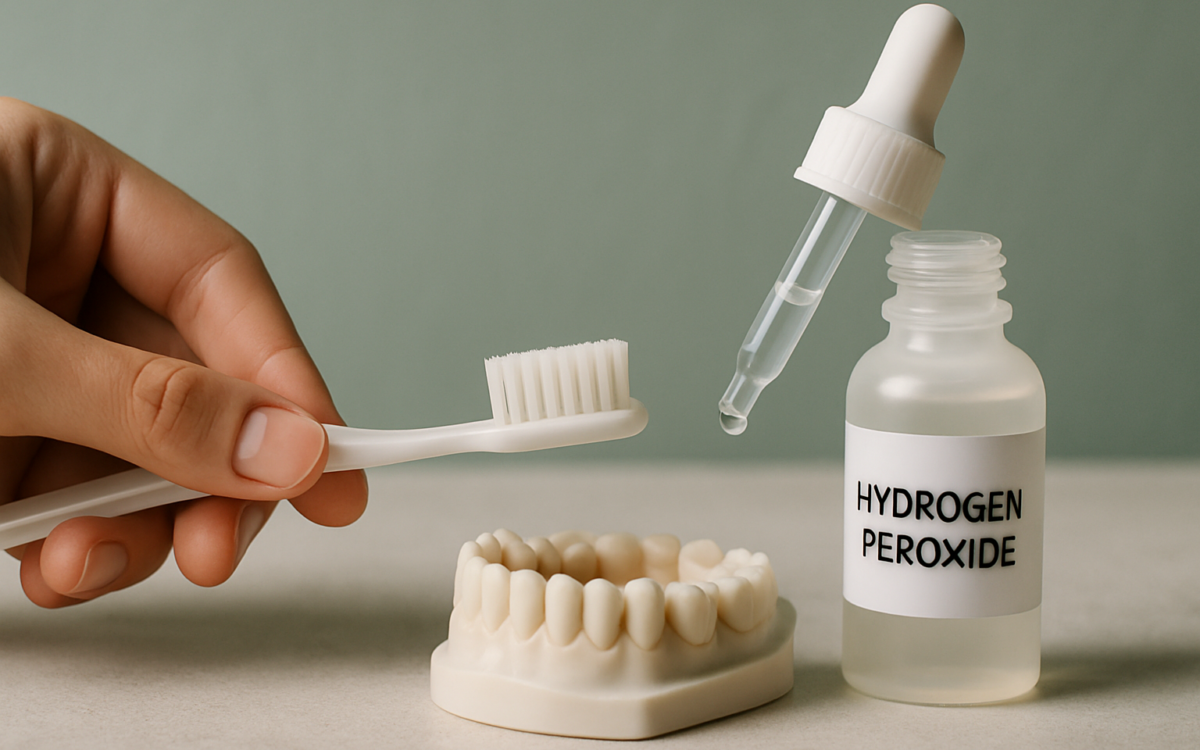
For many people, a bright, white smile is a sign of health and vitality. In the quest for whiter teeth, some turn to various home remedies, including hydrogen peroxide. But is hydrogen peroxide a safe and effective option for teeth whitening? In this article, we’ll explore the science behind hydrogen peroxide, its potential benefits and risks, and when to consult a healthcare professional.
What is Hydrogen Peroxide?
Hydrogen peroxide is a colorless liquid used primarily as a disinfectant. It’s commonly found in households and is known for its antiseptic properties. Many people are surprised to learn that hydrogen peroxide is also used in dental products, often in lower concentrations, to help whiten teeth.
How Does Hydrogen Peroxide Whiten Teeth?
The tooth whitening process with hydrogen peroxide is based on its ability to oxidize. When applied to the teeth, hydrogen peroxide releases free radicals that break down stain molecules, making them less visible. The concentration used in over-the-counter whitening products typically ranges from 3% to 10%, while professional treatments can use up to 40% to achieve quicker results.
Benefits of Using Hydrogen Peroxide for Teeth Whitening
Many people swear by hydrogen peroxide as a teeth whitening agent. Here are some of the benefits:
- Effectiveness: Studies have shown that hydrogen peroxide can effectively lighten tooth enamel, providing visible results in a relatively short time frame.[1]
- Accessibility: Hydrogen peroxide is inexpensive and readily available at most grocery stores and pharmacies.
- Antimicrobial properties: Hydrogen peroxide can help kill bacteria in the mouth, contributing to overall oral health.
Potential Risks and Side Effects
While there are benefits to using hydrogen peroxide for teeth whitening, it is essential to consider the potential risks as well:
- Enamel erosion: Frequent use of hydrogen peroxide, especially in high concentrations, can harm tooth enamel, leading to increased sensitivity and a higher risk of cavities.
- Gum irritation: Hydrogen peroxide can irritate the gums, especially if used improperly or too often.
- Stomach upset: Ingesting hydrogen peroxide accidentally can lead to nausea or stomach distress, highlighting the importance of using it cautiously.
How to Use Hydrogen Peroxide Safely for Teeth Whitening
If you decide to use hydrogen peroxide for whitening your teeth, it’s crucial to do so safely:
- Concentration matters: Use products that contain an appropriate concentration of hydrogen peroxide. Over-the-counter whitening strips or gels usually have lower concentrations, which are generally safer for consumers.
- Follow instructions: Always adhere to the instructions provided on the product label. If you’re creating a solution at home, a common recommendation is to mix equal parts of water and 3% hydrogen peroxide.
- Limit frequency: Avoid using hydrogen peroxide for whitening more than 2-3 times a week to prevent enamel damage and gum irritation.
- Monitor your teeth and gums: Pay attention to how your teeth and gums respond during treatment. If you notice increased sensitivity or irritation, stop using the product immediately.
Natural Alternatives to Hydrogen Peroxide
If you’re concerned about the potential risks of hydrogen peroxide, there are several natural alternatives for teeth whitening:
- Baking soda: A mild abrasive, baking soda can help remove surface stains on teeth. It’s often used in toothpaste for this reason.
- Activated charcoal: Some people use activated charcoal as a teeth whitening agent, although scientific evidence on its effectiveness is limited.
- Apple cider vinegar: Used in moderation, diluted apple cider vinegar can help dissolve stains, but caution is advised due to its acidity potentially harming enamel.
When to See a Doctor
If you experience discomfort, prolonged sensitivity, or irritation while using hydrogen peroxide, consult a dental professional for guidance. It’s especially important to seek advice if you notice any changes in your oral health.
Conclusion
Hydrogen peroxide can be an effective teeth whitening agent, but it’s essential to use it responsibly to avoid potential side effects. Understanding both the benefits and risks can help you make informed decisions about your dental care. If you’re unsure about using hydrogen peroxide or need personalized recommendations for whitening your teeth, don’t hesitate to reach out to a dental healthcare professional.
