
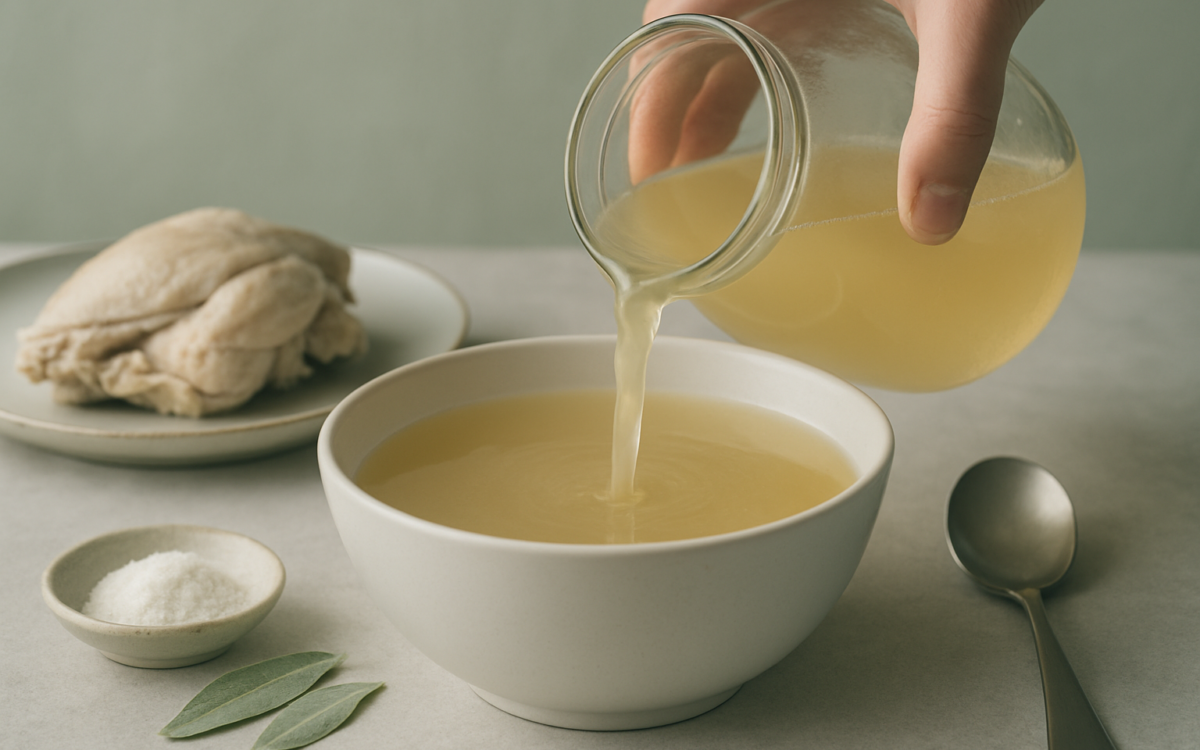
Chicken bouillon is often seen as the underdog of the culinary world—a simple, savory broth that flares up memories of home-cooked meals and cozy kitchens. But did you know that it offers more than just flavor? From its rich nutritional profile to its culinary versatility, chicken bouillon deserves a closer look. Whether you’re a seasoned chef or a cooking novice, this ingredient offers a range of benefits that make it much more than a mere flavor enhancer.
What is chicken bouillon?
Chicken bouillon usually comes in two forms: dehydrated granules or cubes. It’s typically made from simmering chicken bones, vegetables, herbs, and seasoning, which are then concentrated into a flavorful broth. When rehydrated in water, it creates a rich and warming chicken stock that can be used as a base for soups, stews, and sauces. Unlike made-at-home broth, commercial bouillon often contains added salt and preservatives, making it a quick option for busy home cooks.
The nutritional profile of chicken bouillon
While chicken bouillon is primarily used for adding flavor, it also contains a variety of nutrients that can be beneficial for your health. Here are some of its key nutritional components:
- Protein: Chicken bouillon retains some protein from the chicken, which is essential for muscle repair and growth.
- Electrolytes: The sodium content in bouillon can help maintain electrolyte balance, especially when you’re dehydrated.
- Vitamins and minerals: Homemade versions of chicken bouillon can provide vitamins such as B6, B12, and minerals like phosphorus, which supports metabolic functions.
Additionally, some commercial products may be fortified with vitamins, adding another layer of nutritional benefit. However, it is essential to check the label for sodium levels and other additives that may not be beneficial for all diets.
Health benefits of chicken bouillon
Chicken bouillon not only serves as a comforting food, but it may also offer several health benefits:
- Soothe digestive issues: Warm broth can be easy on the stomach, making it a go-to remedy for digestive discomfort or illness.
- Hydration: When you’re feeling under the weather, consuming liquids is crucial. Chicken bouillon provides hydration while delivering nutrients.
- Joint health: Some studies suggest that the gelatin derived from cooking chicken bones may help with joint pain and inflammation due to its collagen content. However, more research is needed in this area (NIH).
Keep in mind that while chicken bouillon is beneficial, it should not be seen as a substitute for a well-balanced diet. It’s best enjoyed in conjunction with other nutrient-rich foods.
How to use chicken bouillon in cooking
Chicken bouillon is incredibly versatile and can enhance the flavor of numerous dishes. Here are some popular ways to incorporate it into your cooking:
- Soups and stews: Use bouillon as a quick base for soups and stews. It not only adds depth but also enriches the final dish.
- Cooking grains: Replace water with chicken bouillon when cooking rice, quinoa, or couscous for added flavor.
- Sauces and gravies: Bouillon can serve as a flavorful base for sauces, helping to create a more satisfying taste.
- Vegetable dishes: Add it to sautéed or roasted vegetables for an extra punch of flavor without considerably increasing the calorie count.
When using bouillon, it’s wise to adjust the amount of salt in your recipes, as bouillon can be high in sodium.
Homemade chicken bouillon alternatives
If you prefer a more natural option, making homemade chicken bouillon is quite simple and rewarding. Here’s a basic recipe to try:
- Ingredients: 2 pounds of chicken bones, 2 carrot sticks, 2 stalks of celery, 1 onion, 2 cloves of garlic, salt, and pepper to taste.
- Instructions:
- In a large pot, combine all ingredients and cover with water.
- Bring to a boil, then reduce heat and let it simmer for at least 2 hours (longer for richer flavor).
- Strain the mixture, and what remains is your homemade broth!
- Use immediately or store in the refrigerator for up to a week, or freeze for several months.
Homemade chicken bouillon allows you to control the ingredients and reduce sodium levels, ensuring a healthier option for your meals.
When to see a doctor
While chicken bouillon is generally safe for most people, you should consult your doctor if you experience any adverse reactions after consuming it, particularly if you have dietary restrictions or conditions that affect sodium intake, such as hypertension or kidney disease.
In summary, chicken bouillon is more than just a simple kitchen staple. It offers a wealth of culinary possibilities and some potential health benefits too. By knowing how to use it wisely in your cooking, you can enhance your meals while enjoying its comforting flavors. As with any food, balance and moderation are key. So go ahead, embrace the warming embrace of chicken bouillon, and let it add a dash of flavor to your table!
