
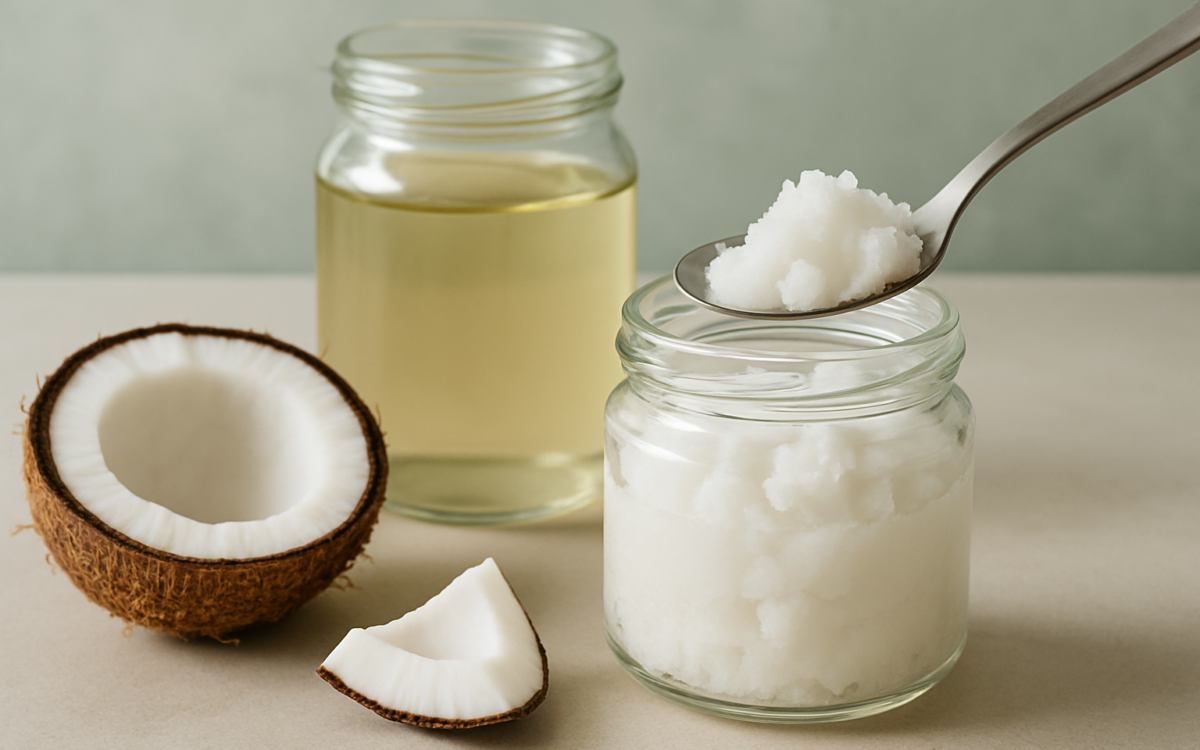
Coconut oil has surged in popularity over the past few years, with many people incorporating it into their diets and skin-care routines. However, not everyone knows that there are two main types of coconut oil: refined and unrefined. Understanding the differences between these two can help you make informed choices about which one is right for you.
What Is Refined Coconut Oil?
Refined coconut oil is extracted from dried coconut meat, also known as copra. This extraction process often involves heating the oil and using chemical solvents to help purify it. As a result, refined coconut oil has a higher smoke point, making it ideal for high-heat cooking methods. Its flavor is neutral, which means it won’t alter the taste of your dishes.
What Is Unrefined Coconut Oil?
Unrefined coconut oil, also known as virgin coconut oil, is made from fresh coconut meat and is processed without chemicals. This type retains the coconut’s natural aroma and flavor, providing a distinct taste to dishes. The cold-pressing method used in its extraction preserves many of the nutrients found in coconuts, including antioxidants and medium-chain triglycerides (MCTs).
Health Benefits of Unrefined Coconut Oil
The health benefits of unrefined coconut oil have gained attention in recent years. It is rich in MCTs, which are easily digestible fats that provide a quick source of energy. Some studies suggest that MCTs may support weight loss and improve metabolic health. Additionally, the antioxidants present in unrefined coconut oil may help protect your cells from damage caused by free radicals (NIH).
Health Benefits of Refined Coconut Oil
While refined coconut oil lacks some of the nutrients found in its unrefined counterpart, it still offers health benefits. Its high smoke point makes it suitable for frying and baking, as it can withstand higher temperatures without breaking down. Furthermore, refined coconut oil is often less expensive and has a longer shelf life, making it a practical choice for those who use coconut oil regularly.
Comparing the Nutritional Profiles
When comparing refined and unrefined coconut oil, it’s essential to consider their nutritional content:
- Unrefined Coconut Oil: Contains a higher amount of antioxidants and polyphenols. It also retains beneficial compounds like lauric acid.
- Refined Coconut Oil: Typically has fewer antioxidants, and may have fewer health properties, but provides a consistent fat source for cooking.
Both oils consist primarily of saturated fats, which should be consumed in moderation. According to the World Health Organization (WHO), while some saturated fats can be part of a balanced diet, excessive intake may lead to elevated cholesterol levels and other health concerns.
Practical Uses of Refined and Unrefined Coconut Oil
Both types of coconut oil can be used in various ways:
- Culinary Uses: Use unrefined coconut oil for sautéing, baking, or drizzling over dishes to enhance flavor. Choose refined coconut oil for frying or high-heat cooking.
- Skin and Hair Care: Both oils can be used as moisturizers or hair conditioners. Unrefined coconut oil is preferable for skin application due to its natural properties.
- Homemade Products: Refined coconut oil can be a great base for homemade cosmetics, such as lotions or scrubs, while unrefined coconut oil may be used in recipes for health-promoting foods.
Potential Concerns
While coconut oil can be beneficial, it’s important to consume it in moderation. Excessive intake can contribute to weight gain and high cholesterol levels. Always consult with healthcare providers regarding dietary changes, especially if you have existing health conditions.
When to See a Doctor
If you’re considering adding coconut oil to your diet or skincare routine, and you have specific health concerns or conditions, it’s advisable to consult your doctor. A healthcare professional can guide you on whether coconut oil is a suitable option based on your individual nutritional needs.
All in all, whether you choose refined or unrefined coconut oil depends on your personal preferences and intended uses. Understanding their differences allows you to select the best option for your cooking and health needs.
