
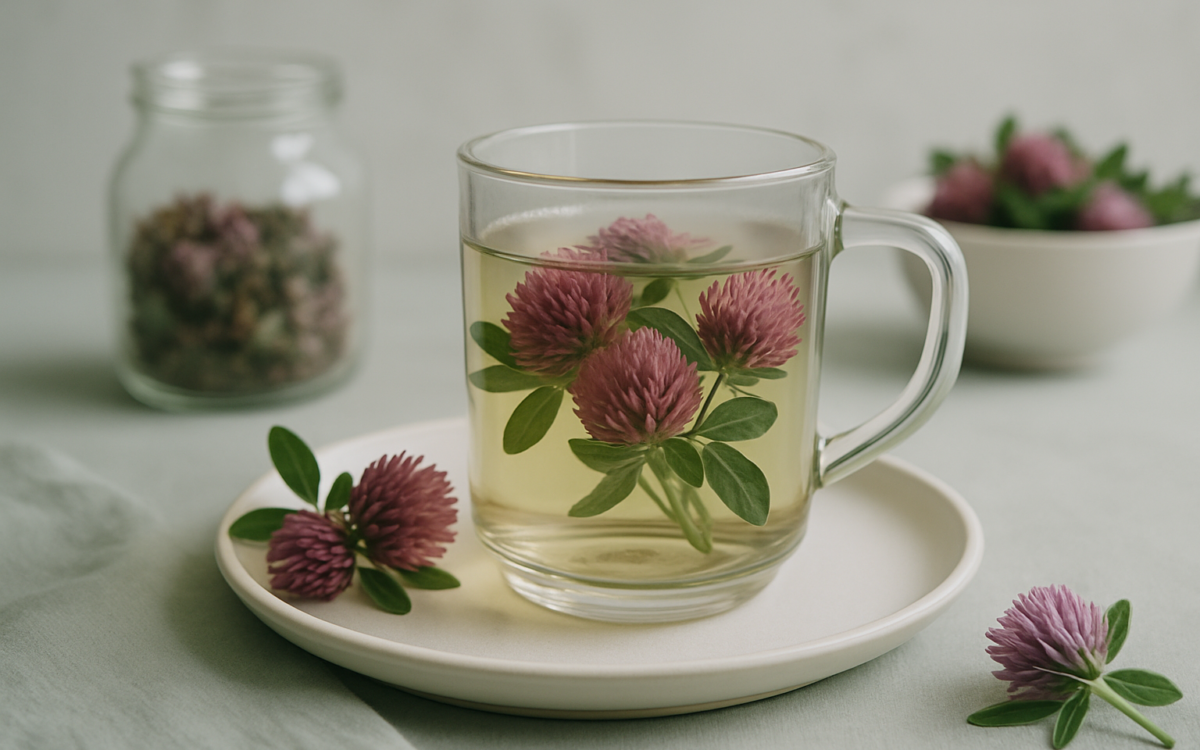
If you’re looking for a natural drink that brings both comfort and potential health benefits, clover tea might be the answer. This herbal infusion, made from the flowers and leaves of the clover plant, has been used for centuries in various cultures. It’s known for its delicate flavor and numerous health-boosting properties.
What is clover tea?
Clover tea is an infusion made from the dried flowers, leaves, or stems of the clover plant, primarily red clover (Trifolium pratense) and white clover (Trifolium repens). Red clover is especially well-known for its rich isoflavones and potentially beneficial compounds. This tea has a light, slightly sweet flavor that many find enjoyable.
Potential health benefits
Clover tea is often praised for its potential health properties. While scientific research is ongoing, here are some of the most commonly associated benefits:
- Hormonal balance: Red clover contains isoflavones, which are plant compounds that can mimic estrogen in the body. This may help alleviate symptoms associated with menopause, such as hot flashes and mood swings. For more information, you can check the NIH.
- Heart health: Some studies suggest that red clover may help improve heart health by maintaining healthy blood vessels and reducing cholesterol levels. However, more research is needed to confirm these effects.
- Skin health: Clover tea has been used in traditional medicine for its potential antiseptic and anti-inflammatory properties, which may help soothe skin irritations when applied topically.
- Respiratory support: Clover tea is sometimes used in herbal remedies for respiratory issues, as it may help soothe coughs and improve overall lung health.
How to prepare clover tea
Making clover tea at home is quite simple and requires just a few ingredients. Here’s a basic recipe to get you started:
Ingredients
- 1-2 teaspoons dried clover flowers or leaves
- 1 cup boiling water
- Honey or lemon for flavor (optional)
Instructions
- Measure 1-2 teaspoons of dried clover flowers or leaves and place them in a tea infuser or directly in a cup.
- Pour boiling water over the clover and let it steep for about 5-10 minutes, depending on your taste preference.
- Remove the infuser or strain the tea to separate the clover from the liquid.
- Add honey or lemon to taste, if desired, and enjoy your warm cup of clover tea!
Possible side effects and considerations
While clover tea is generally considered safe for most people, there are some potential side effects and precautions to keep in mind:
- Allergic reactions: Some individuals may be allergic to clover or other plants in the legume family. If you experience itching, swelling, or difficulty breathing after drinking clover tea, stop using it and consult a doctor.
- Blood thinning: Clover contains compounds that may affect blood clotting. If you are taking blood-thinning medications, it’s essential to discuss clover tea with your healthcare provider.
- Pregnancy and breastfeeding: While some sources suggest that clover tea may not harm pregnant or breastfeeding women, it’s best to err on the side of caution and consult a doctor before consuming it.
Where to find clover tea
Clover tea can be found in health food stores and online. Look for organic or wildcrafted options to ensure quality. While you can also forage for clover flowers yourself, make sure to identify the plant correctly to avoid consuming anything harmful.
When to see a doctor
If you experience unusual symptoms after drinking clover tea, such as severe allergic reactions or persistent health issues, it’s important to consult a healthcare professional. Additionally, if you’re on medication, particularly blood thinners or hormone therapies, discussing clover tea with your doctor is wise.
Conclusion
Clover tea is a soothing herbal beverage that may offer various health benefits and is easy to prepare at home. While it’s generally safe, it’s essential to remain cautious, especially if you have allergies or are on medication. Enjoying a cup of clover tea can be a delightful way to connect with nature while exploring alternative herbal remedies.
