
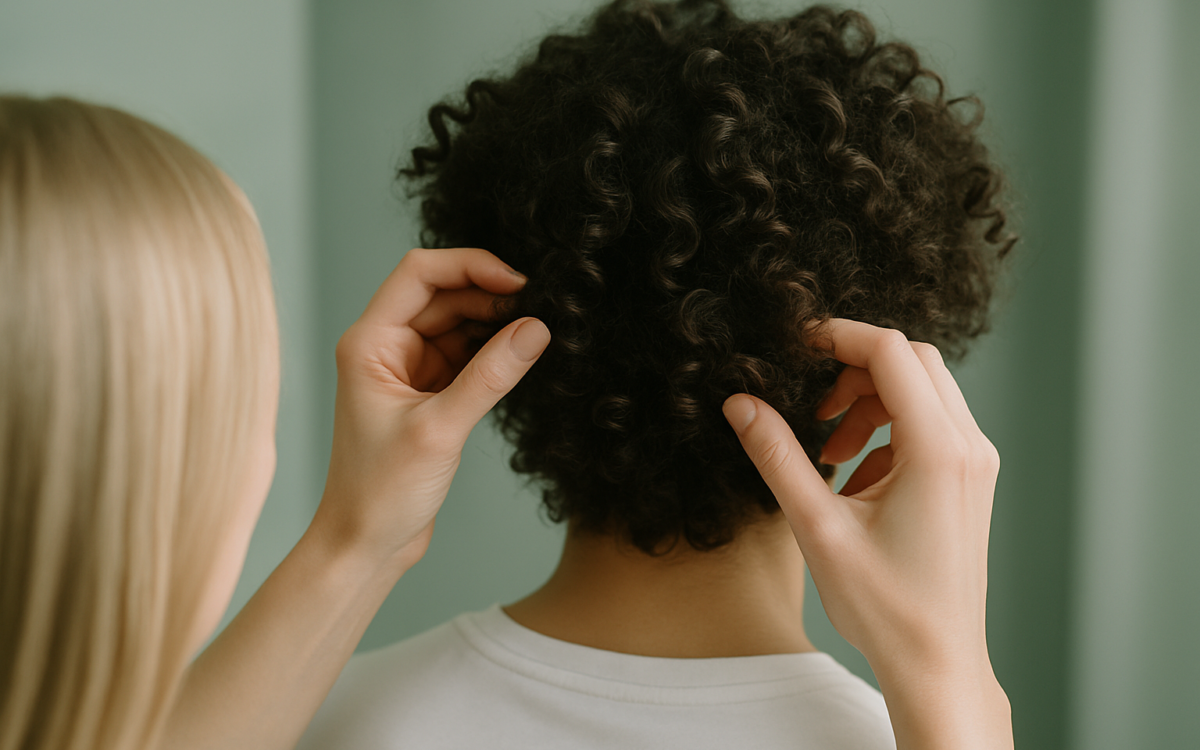
Have you ever wondered why some people have straight hair while others sport beautiful curls? Hair texture is one of the most visible traits influenced by genetics, and understanding how curly hair is inherited can be quite fascinating. In this article, we will explore whether curly hair is a dominant or recessive genetic trait, and delve into the science behind it.
The Basics of Genetics
To grasp the concept of dominance in genetic traits, it helps to start with some basics. Our hair texture is determined by the genes we inherit from our parents. Genes are segments of DNA that carry the instructions for our physical traits. Each person gets two copies of each gene—one from their mother and one from their father.
These genes can exist in different forms, known as alleles. For example, the allele for curly hair is different from the allele for straight hair. In genetic terms, we often classify alleles as either dominant or recessive. This classification tells us how likely a trait is to be expressed in an individual.
Is Curly Hair Dominant or Recessive?
The quick answer is that curly hair is generally considered a dominant trait. When a person inherits one allele for curly hair (C) and one allele for straight hair (S), the curly hair allele usually takes precedence. This means that a person with one curly hair allele will often display curly hair, while someone with two straight hair alleles will have straight hair.
However, genetics can be complicated. While the simple dominant versus recessive model works in many cases, the reality is that multiple genes affect hair texture. This means that individuals may express a range of hair types, such as wavy or loosely curled hair, depending on their specific genetic makeup.
What Determines Hair Texture?
The texture of hair is influenced by several factors, including:
- Genetics: The primary factor, as previously mentioned, is the genetic code that a person inherits from their parents.
- Environment: External factors like humidity and temperature can affect how curly or straight hair appears. For example, high humidity can make straight hair look wavier.
- Health: Nutritional deficiencies, hormonal changes, and aging can affect hair texture. For instance, some people might find their hair becoming curlier or straighter as they age or experience hormonal fluctuations.
The Role of Multiple Genes
While the curly hair gene (C) is dominant, it’s crucial to note that hair texture isn’t determined by a single gene alone. Research has identified various genes involved in hair curliness. For instance, the gene RSPO2 has been linked to curly hair. Other genes, such as KRT17 and WNT10A, also play significant roles in hair development.
This complexity can lead to surprising outcomes in hair texture among siblings. For example, two parents with curly hair may have a child with straight hair if the child inherits a certain combination of alleles from both parents. This phenomenon highlights the beauty of genetic diversity.
The Influence of Mixed Heritage
In today’s world, many people have mixed heritage. This genetic diversity can lead to a wide variety of hair textures. Children of parents with different hair textures often have unique combinations. For example, a child with one parent who has curly hair and one with straight hair may have wavy hair.
Studies have shown that ethnic background can also influence hair texture. Different populations have adapted over time to their environments, leading to distinct hair characteristics. For example, people of African descent are more likely to have tightly coiled hair compared to those of European or Asian descent, who may have straighter or wavier hair. Each trait has its genetic basis, emphasizing the intricate nature of human genetics.
When to See a Doctor
Changes in hair texture can sometimes signal health issues. If you notice unexpected changes in your hair’s texture, such as sudden straightening or loss of curl, it’s a good idea to consult a healthcare professional. They can help determine if an underlying condition, such as a hormonal imbalance or nutritional deficiency, may be influencing your hair’s health.
Conclusion
Understanding the genetics behind curly hair offers insight into the complexity of human traits. While curly hair is generally a dominant trait, multiple genes and environmental factors also play crucial roles. Hair texture can be a beautiful expression of your genetic heritage, so embrace your unique look! Remember that if you have concerns about your hair or its changes, it’s always wise to seek professional advice.
For more information on genetics and hair, consider visiting reputable sources such as the National Institutes of Health (NIH) or the Mayo Clinic.
