
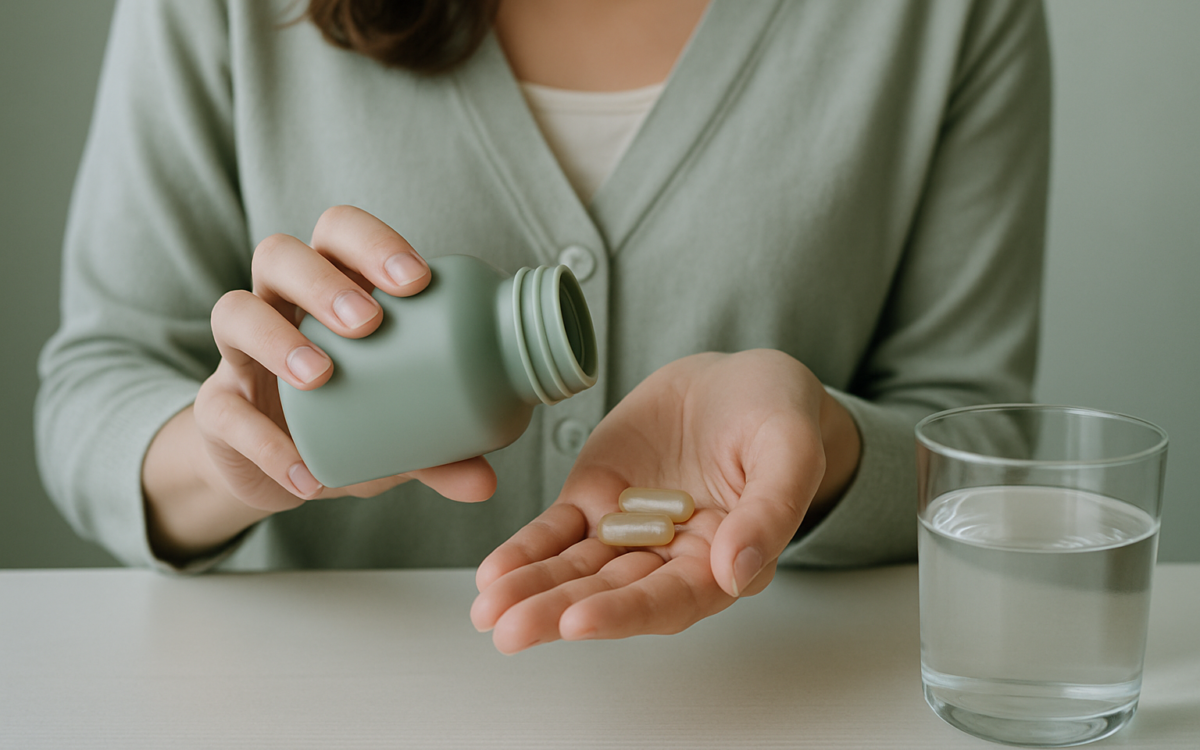
In our fast-paced lives, it can be challenging to meet all our nutritional needs through diet alone. This is where women’s multivitamins come into play. These supplements are specifically designed to complement the unique health requirements of women at different stages of life. Understanding the benefits and what to look for in a quality multivitamin can help support your overall wellness.
The Importance of Nutrients
The human body requires a variety of vitamins and minerals to function optimally. For women, certain nutrients are particularly crucial due to factors such as menstruation, pregnancy, and menopause. These needs can change depending on age and lifestyle. Some of the important nutrients to consider in women’s multivitamins include:
- Iron: Essential for red blood cell production, especially important during menstruation.
- Calcium: Vital for bone health, particularly as women age and become more susceptible to osteoporosis.
- Folic Acid: Critical for women who are pregnant or planning to conceive, as it supports fetal development.
- Vitamin D: Plays a key role in bone health and immune function.
Choosing the Right Multivitamin
With so many options available, selecting the right multivitamin can be overwhelming. Here are some tips to help guide your choice:
- Look for a multivitamin specifically formulated for women, as these will cater to your distinct dietary needs.
- Check for quality seals, like those from National Institutes of Health (NIH), which can assure you of the product’s safety and efficacy.
- Consider your dietary restrictions. If you follow a vegetarian or vegan diet, ensure your multivitamin contains adequate amounts of vitamins like B12 and iron, which can sometimes be lacking in plant-based diets.
The Benefits of Taking Multivitamins
Research has shown that taking a multivitamin can help address potential nutrient gaps in the diet. In a study published in the American Journal of Clinical Nutrition, women who took multivitamins reported improved energy levels and overall health. While they should not replace a balanced diet, they can serve as an important supplement.
Multivitamins and Global Health
Globally, women’s nutritional needs are increasingly recognized as critical to addressing health disparities. In many developing countries, women are at a higher risk of micronutrient deficiencies. Programs promoting the use of multivitamins can significantly improve women’s health outcomes. Initiatives like Acibadem International focus on ensuring that women around the world have access to essential nutrients through supplementation and education on healthy dietary practices.
Potential Risks and Considerations
While multivitamins can be beneficial, they are not without risks. Overconsumption of certain vitamins and minerals can lead to adverse effects. For example, excessive iron intake can cause gastrointestinal issues, and too much vitamin A can be toxic. It is important to consult with a healthcare provider before starting any new supplement regimen, particularly if you have existing health conditions or are taking other medications.
When to See a Doctor
If you are experiencing unusual symptoms, have concerns about nutrient deficiencies, or are considering taking multivitamins, it’s advisable to consult with a healthcare professional. They can help assess your individual nutritional needs, guide you on appropriate dosages, and suggest dietary adjustments tailored to your lifestyle.
In conclusion, women’s multivitamins can be an essential ally in maintaining health and well-being. By choosing the right formulation and being mindful of your individual dietary needs, you can help ensure that your body receives the support it requires.
