
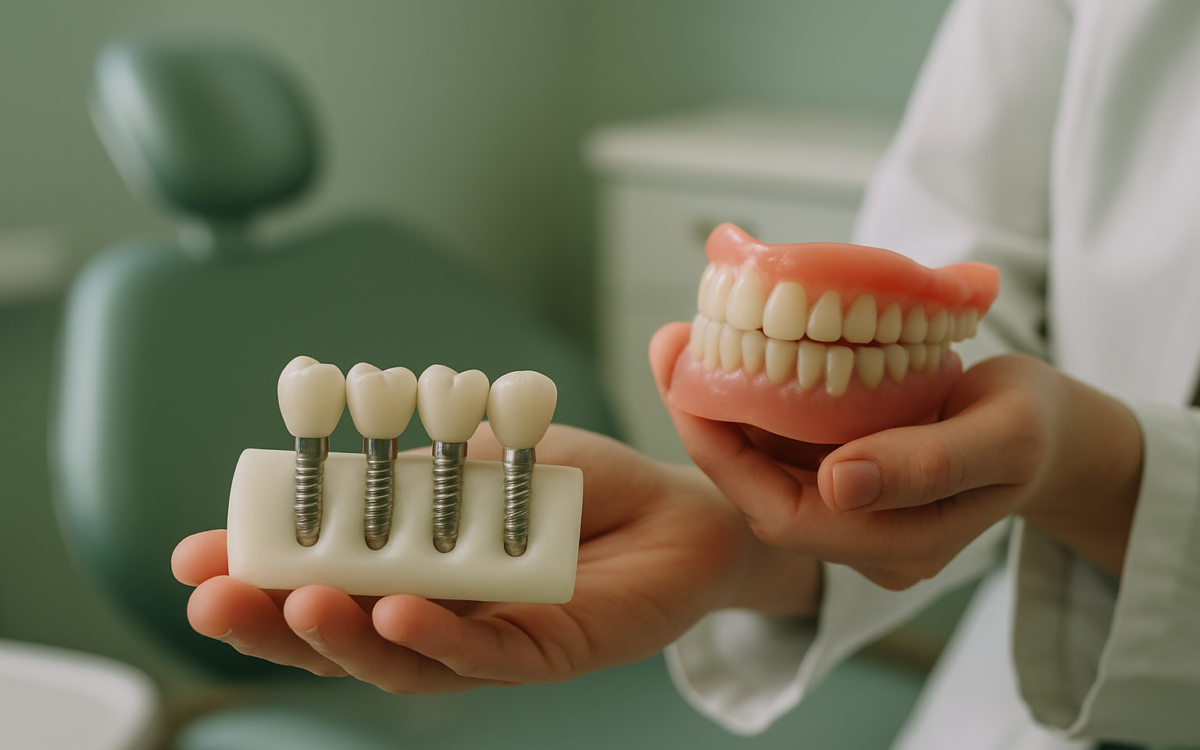
When it comes to replacing missing teeth, two of the most popular options are dental implants and dentures. Both solutions aim to restore your smile and improve functionality, but they differ significantly in terms of experience, costs, and maintenance. Understanding each option can help you feel empowered to make an informed choice about your oral health.
Understanding Dental Implants
Dental implants are artificial tooth roots made of titanium that are surgically placed into your jawbone. Over time, the implant fuses with the bone through a process called osseointegration. Once healed, a crown is attached to the implant, effectively replacing the missing tooth.
Benefits of Dental Implants
- Natural Feel: Many people find that dental implants feel and function like natural teeth. They allow for normal eating and speaking.
- Longevity: With proper care, dental implants can last 10 to 15 years or even longer, making them a durable solution.
- Bone Health: Implants help maintain jawbone density. The pressure applied during chewing promotes bone health, preventing the bone loss commonly associated with missing teeth.
- Preservation of Adjacent Teeth: Unlike bridges that rely on neighboring teeth for support, implants do not affect adjacent healthy teeth.
Drawbacks of Dental Implants
- Surgical Procedure: The placement of dental implants is a surgical procedure that requires anesthesia and a recovery period.
- Cost: Implants can be more expensive than dentures. According to the Mayo Clinic, costs can vary based on location and the complexity of the case.
- Time: The entire process, from consultation to final crown placement, can take several months due to the healing time required.
Understanding Dentures
Dentures are removable dental appliances that replace missing teeth and surrounding tissues. They can either be complete (for all teeth) or partial (for some teeth) and are typically made from a combination of plastic, acrylic, and sometimes metal.
Benefits of Dentures
- Affordability: Generally, dentures are less expensive than implants, making them a more accessible option for many people.
- Non-invasive: Getting dentures does not require surgery, which can be a significant advantage for those who may have health issues.
- Quick Results: The process to get dentures is typically faster than implants, allowing most patients to leave with a new smile in a relatively short time.
Drawbacks of Dentures
- Comfort: Some people find dentures uncomfortable and may experience slipping or irritation in the gums.
- Maintenance: Dentures require daily cleaning and care to maintain hygiene and function
- Bone Loss: Dentures do not prevent jawbone loss, which can lead to changes in facial structure over time.
Determining the Right Option for You
Choosing between dental implants and dentures depends on various factors, including your oral health, lifestyle, budget, and personal preferences. Here are some considerations to keep in mind:
Consultation with a Dental Professional
Before deciding, schedule a consultation with a dentist or oral surgeon. They can evaluate your oral health, discuss your options, and help you understand the best path for your individual needs.
Financial Considerations
Evaluate your budget, insurance coverage, and potential financing options. Ask your dentist about total costs for each option and any possible payment plans.
Life Impact
Think about how each option will affect your everyday life, from eating to speaking and socializing. Some people prefer the function and feel of implants, while others might prioritize the lower cost and quicker process of dentures.
When to See a Doctor
If you have missing teeth or are considering tooth replacement options, it’s important to seek advice from a dental professional. They can provide information tailored to your dental health and help you weigh the benefits and risks of each option.
Conclusion
Both dental implants and dentures offer viable solutions for tooth replacement, each with its own set of benefits and drawbacks. By evaluating your options and consulting with a qualified dental professional, you can make an informed decision that best suits your lifestyle and health needs. Always stay proactive about your oral health and seek professional advice to ensure a healthy, beautiful smile.
