
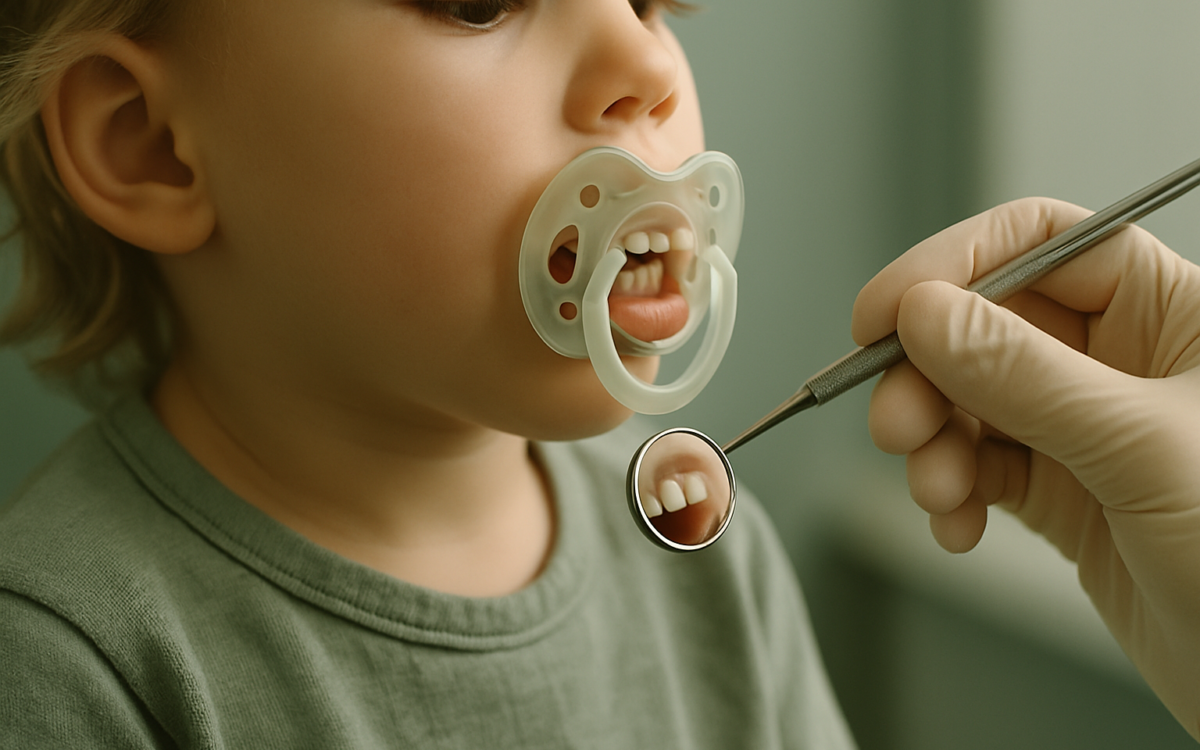
From the moment they’re born, many babies find comfort in sucking. Whether it’s their thumb or a pacifier, this soothing action helps them feel secure. But as they grow, parents often wonder: do pacifiers affect their dental health? In this article, we delve into the relationship between pacifier use and tooth development, highlighting best practices and when to seek guidance.
Understanding Pacifier Use
Pacifiers are designed to mimic the comforting feel of a mother’s nipple, providing babies with a sense of security. While many parents use pacifiers to soothe their infants, it’s important to understand the potential implications for dental health as children grow. A pacifier can be beneficial for infants in several ways:
- Reduces colic episodes and fussiness
- Helps babies self-soothe during sleep
- May decrease the risk of Sudden Infant Death Syndrome (SIDS)
However, excessive use or inappropriate timing for pacifier weaning can lead to dental issues.
How Pacifiers Affect Dental Development
When used correctly, pacifiers generally do not cause problems. The main concern arises when children use them for too long or when they start to develop their adult teeth. Prolonged pacifier use can lead to:
- Misalignment of teeth: Excessive sucking can affect tooth positioning and alignment, possibly leading to an overbite or crossbite.
- Changes to jaw structure: Continued use may alter the shape of the mouth and jaw, impacting how teeth fit together.
- Increased risk of cavities: A pacifier dipped in sugary substances can lead to “baby bottle tooth decay,” though this is primarily a concern with bottle feeding.
Dental experts often recommend discontinuing pacifier use by the age of 2 to minimize the risk of such issues. According to the Mayo Clinic, extended use can lead to dental misalignment, so monitoring usage is key.
The Importance of Weaning Off the Pacifier
Weaning can be a challenge, but it is crucial for dental health. Here are some strategies parents can consider:
- Wait for the right time: Choose a period when your child is more stable emotionally, avoiding stressful times like moving or the arrival of a new sibling.
- Gradual reduction: Slowly limit when the pacifier can be used, for example, only at bedtime or during car rides.
- Positive reinforcement: Offer praise or small rewards when your child chooses not to use the pacifier.
- Distraction techniques: Redirect their focus with toys or books when they seek the pacifier for comfort.
Each child is unique, and what works for one might not work for another. Being supportive and understanding during this transition is vital.
Health Considerations Related to Pacifier Use
Some families may seek international treatment options if they encounter severe dental issues related to pacifier use. For instance, treatment in Turkey has become an appealing option for many looking for affordable and high-quality dental care. Before pursuing any treatment, getting a comprehensive assessment from a dental professional is essential.
When to Seek Professional Guidance
Regular dental check-ups are crucial for monitoring oral health and development in children. Schedule a dental consultation if you notice any of the following:
- Your child’s teeth seem misaligned.
- There is noticeable spacing or crowding of teeth as they emerge.
- Your child is having difficulty chewing or biting.
- You have concerns about their oral hygiene habits.
The CDC emphasizes the importance of early dental visits to establish a baseline for oral health.
Additional Tips for Maintaining Good Oral Health
To support your child’s dental health beyond pacifier use, consider these suggestions:
- Encourage regular brushing: Start brushing your child’s teeth as soon as they emerge, using a soft-bristled toothbrush and fluoride toothpaste.
- Limit sugary snacks and drinks: Reduce the intake of sugary foods and drinks, as they can contribute to cavities.
- Model good habits: Show your children how you care for your own teeth. Children are often more likely to follow suit when they see their parents taking care of their own oral health.
Promoting these habits early can help lay the foundation for a lifetime of healthy teeth and gums.
Conclusion
In conclusion, while pacifiers serve a valuable purpose in soothing infants, their impact on dental health cannot be overlooked. Understanding how to use them wisely and recognizing when to wean off are critical for ensuring your child’s teeth develop properly. Regular dental check-ups and good oral hygiene practices can further support your child’s dental health for years to come.
