
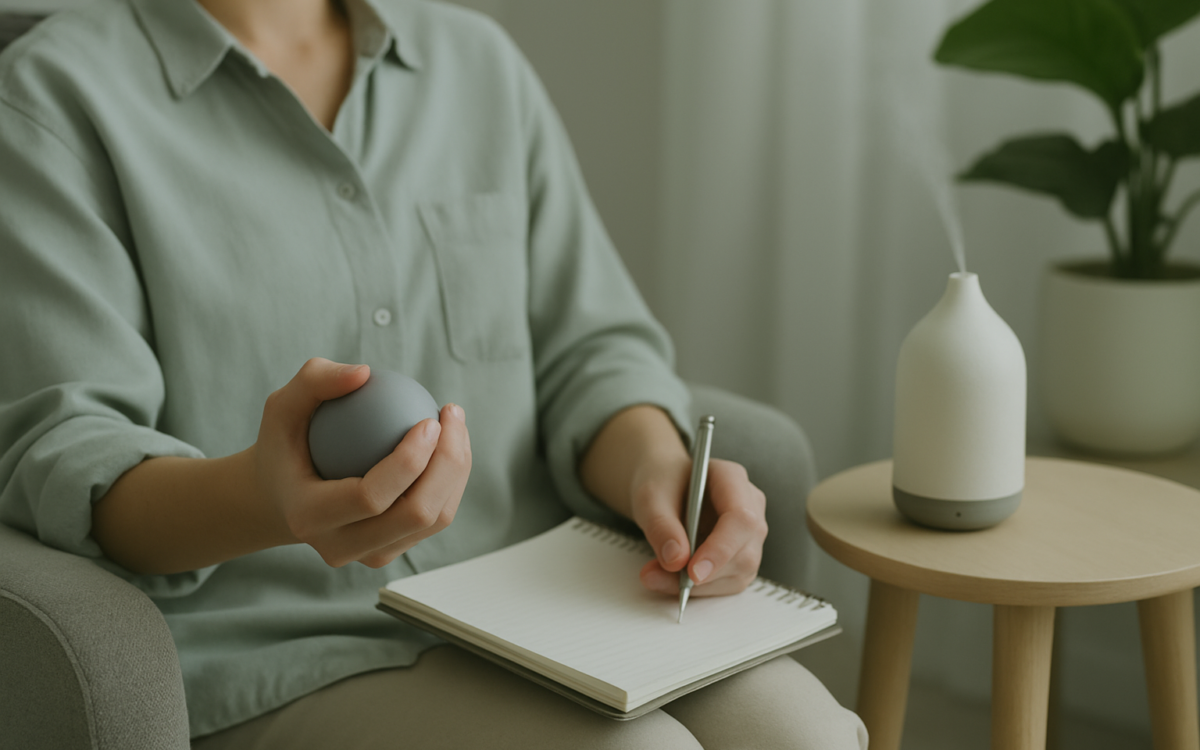
Stress is a common part of life, but it doesn’t have to control us. Whether it’s due to work demands, family obligations, or unexpected challenges, having effective stress relief techniques can help bring a sense of calm and balance. In this article, we’ll explore various strategies that can help you manage stress and improve your overall well-being.
Understanding Stress and Its Impact
Stress is the body’s response to challenges or demands. In small doses, stress can be motivating, but chronic stress can lead to health issues such as anxiety, depression, heart disease, and weakened immune function. The key is to recognize stress early and adopt techniques to mitigate its effects.
1. Mindfulness and Meditation
Mindfulness is the practice of being present and fully engaged in the moment without judgment. Research shows that mindfulness techniques, such as meditation, can reduce stress and improve well-being. You don’t need a lot of time to practice; even a few minutes a day can make a difference.
How to Get Started
- Find a quiet space: Choose a comfortable spot where you won’t be disturbed.
- Focus on your breath: Close your eyes and take deep breaths, focusing on the rhythm of your inhalations and exhalations.
- Let thoughts come and go: If your mind wanders, gently bring your attention back to your breath.
Consistent practice can enhance your ability to cope with stress. For more guidance, check out resources from the National Institutes of Health.
2. Deep Breathing Exercises
Deep breathing is a simple yet effective way to reduce tension and induce relaxation. It activates the body’s relaxation response, decreasing heart rate and blood pressure.
A Simple Deep Breathing Technique
- Inhale deeply: Breathe in slowly through your nose for a count of four.
- Hold: Hold your breath for a count of four.
- Exhale: Breathe out slowly through your mouth for a count of four.
- Repeat: Do this cycle for several minutes.
Engaging in deep breathing a few times throughout the day can help manage stress levels effectively.
3. Physical Activity
Exercise is a powerful stress reliever. Physical activity increases the production of endorphins, chemicals in the brain that act as natural painkillers and mood elevators. Regular exercise also improves sleep, which can be negatively affected by stress.
Choosing the Right Activity
- Walking: A 30-minute brisk walk can significantly improve your mood.
- Yoga: Combines movement with mindfulness and is particularly effective for stress reduction.
- Team sports: Engaging in a group activity can foster social connections and support.
Find an activity you enjoy, and consider making it a regular part of your routine.
4. Establishing a Routine
Creating a structured daily routine can provide a sense of predictability and control, which is especially important during stressful times. Incorporating time for self-care, relaxation, and leisure activities is crucial.
Tips for Building a Stress-Reducing Routine
- Prioritize tasks: Make a list of what needs to be done and tackle them one at a time.
- Schedule downtime: Integrate breaks for yourself, whether it’s a quiet cup of tea or a few moments of stretching.
- Set realistic goals: Break larger tasks into smaller, manageable steps to avoid feeling overwhelmed.
A well-organized routine can help maintain balance amidst life’s chaos.
5. Connecting with Others
Social support is vital for managing stress. Talking with friends or family can help you process your feelings and provide different perspectives. Isolation can heighten feelings of stress and anxiety.
Ways to Foster Connections
- Reach out: Don’t hesitate to call a friend or family member when you need to talk.
- Join a group: Participating in clubs or community activities can help you meet new people and build a supportive network.
- Volunteer: Giving back can foster a sense of purpose and connect you to others.
Having a strong support network can buffer you against stress’s effects.
When to See a Doctor
If stress becomes overwhelming or chronic, it’s essential to seek professional help. Signs that you may need to consult a doctor include:
- Persistent feelings of anxiety or depression
- Difficulty coping with daily demands
- Physical symptoms like headaches, stomach issues, or problems sleeping
Consulting a healthcare provider can open the door to effective therapies, support, and coping strategies.
In summary, while stress is an inevitable part of life, it doesn’t need to consume you. Simple stress relief techniques such as mindfulness, deep breathing, exercise, establishing routines, and fostering connections can empower you to take control of stress. Prioritizing your mental well-being lays the foundation for a healthier, happier life.
