
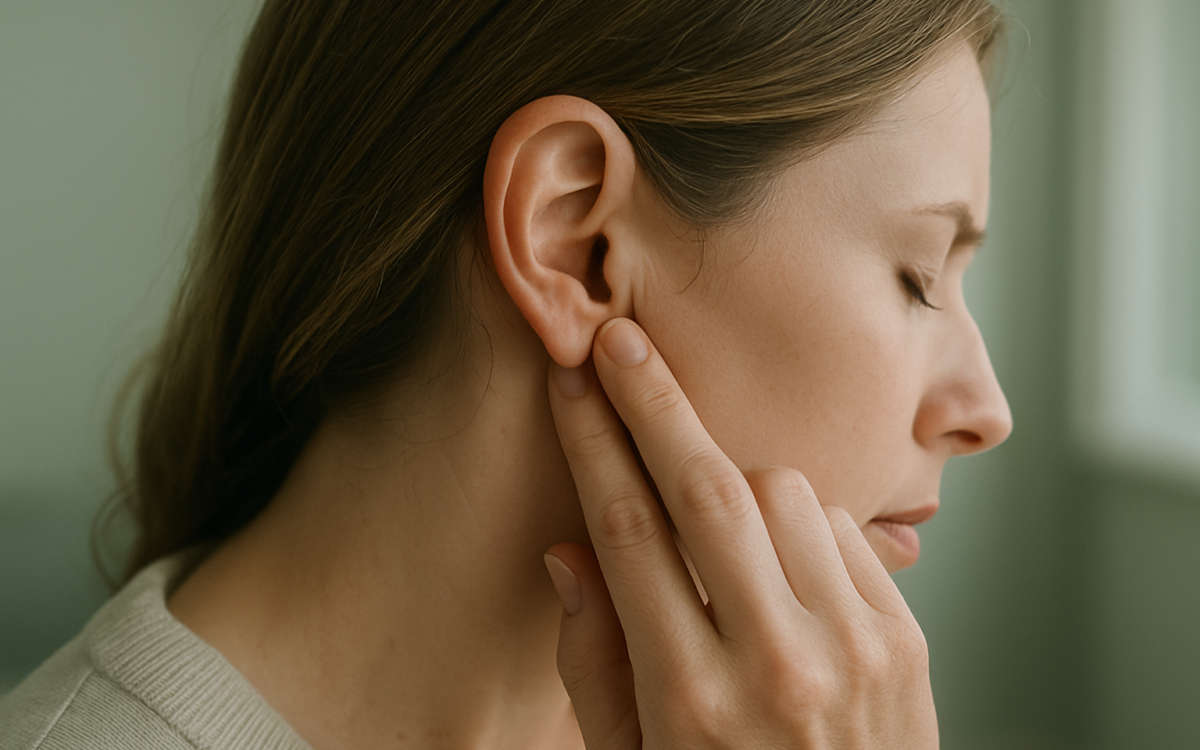
If you’ve ever experienced a crackling sound in your ear, you might have paused and thought, ‘What’s going on?’ It can be a strange sensation that varies in intensity and frequency. While it’s often harmless, understanding the factors behind these sounds can help you assess whether it might warrant further investigation.
What Causes Crackling Sounds in the Ear?
Crackling sounds in the ear can be attributed to a variety of reasons. Here are some of the most common causes:
Eustachian Tube Dysfunction
The Eustachian tube connects the middle ear to the back of the throat and helps regulate air pressure. When the Eustachian tube becomes blocked or doesn’t function properly, it can lead to a feeling of fullness in the ear and cause sounds like crackling or popping. This dysfunction is commonly associated with:
- Allergies
- Colds or sinus infections
- Changes in altitude (like when flying or diving)
The crackling may occur as the tube opens and closes, attempting to balance pressure.
Earwax Buildup
Earwax, or cerumen, serves several protective functions, including trapping dirt and preventing infections. However, excessive earwax can harden and lead to blockages. When air bubbles are trapped behind the blockage, it can result in unusual sounds, including crackling. Regular cleaning, through gentle methods, can help manage earwax levels.
Tinnitus
Tinnitus is often described as a ringing, buzzing, or clicking sound in the ears. While it usually does not involve crackling, some people may perceive this noise differently. Many factors can contribute to tinnitus, including exposure to loud sounds, ear infections, or even certain medications. If you experience persistent sounds that are bothersome, consider consulting a healthcare professional for a proper evaluation.
Associated Conditions
Understanding tinnitus can also help in identifying other underlying conditions, such as:
- Hearing loss
- Middle ear infections
- Head injuries
Middle Ear Infections
Infections in the middle ear, also known as otitis media, can cause not only discomfort but also unusual sounds. An infection can lead to fluid accumulation, causing pressure changes and crackling noises when the fluid moves. Symptoms often include:
- Pain in the ear
- Difficulty hearing
- Fever
In such cases, it’s essential to monitor not only the sounds but also any accompanying symptoms to understand when to seek medical help.
Barotrauma
Experiencing crackling in your ears can also be a result of barotrauma, which occurs when there is a sudden change in air pressure. This can happen during activities like scuba diving, flying, or even driving through mountainous regions. Symptoms may include:
- Pain or discomfort
- Temporary hearing loss
- Feeling of fullness in the ears
Learning techniques to equalize pressure, like yawning, swallowing, or using the Valsalva maneuver, can often help alleviate discomfort.
Prevention and Care
While some causes of crackling in the ears may be unavoidable, there are several steps you can take to help prevent problems:
- Stay hydrated, especially during flights or altitude changes.
- Manage allergies and sinuses effectively.
- Avoid inserting objects into the ears that could push wax further in.
- If you’re a frequent flyer or diver, practice pressure-equalizing maneuvers before and during the activity.
When to See a Doctor
While crackling sounds in your ears are often benign, it’s important to be aware of any additional symptoms. Consider reaching out to a healthcare professional if you experience:
- Persistent pain
- Significant hearing loss
- Fever
- Fluid drainage from the ear
These symptoms may indicate an underlying condition that needs to be addressed.
Conclusion
Understanding the causes behind crackling sounds in your ears can help reduce anxiety and guide your choices about when to seek help. Most of the time, these sounds are benign and can be managed easily. However, paying attention to your body’s signals and maintaining ear health is crucial for your overall wellbeing. If you’re uncertain, always consult a healthcare professional. Your ears deserve just as much care and attention as any other part of your body!
