
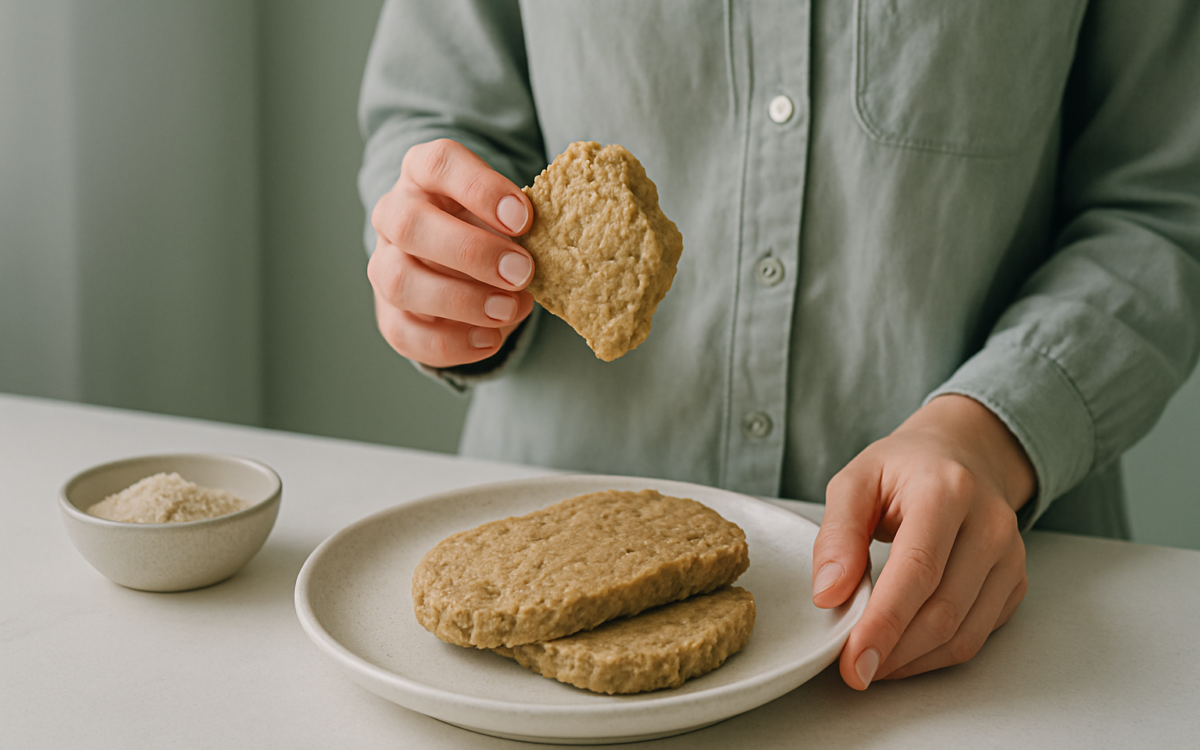
In recent years, the popularity of plant-based diets has surged, leading many to explore alternatives to traditional meat. One such alternative that often piques interest is gluten meat. This article dives into what gluten meat is, how it’s made, its nutritional profile, and its implications for both vegetarian and gluten-free diets.
What is Gluten Meat?
Gluten meat, also known as seitan, is a meat substitute made primarily from gluten, the protein found in wheat. When prepared, it has a chewy, meaty texture that can mimic various types of meat, making it a versatile ingredient for many dishes. Seitan is a native food in several Asian cuisines and has gained global popularity as a protein-rich alternative for vegetarians and vegans.
How is Gluten Meat Made?
The process of making gluten meat involves rinsing wheat flour dough with water to wash away the starch granules while leaving behind the gluten. The result is a sticky, elastic mass that can be cooked in various ways. Here’s a simple overview of the process:
- Start with wheat flour: Use high-gluten flour for the best results.
- Add water: Combine water with the flour to form a dough.
- Knead the dough: Kneading helps develop the gluten, giving it elasticity.
- Rinse the dough: Rinse under cold water until the water runs clear, which will remove the starch.
- Cook the gluten: You can boil, steam, or fry the raw gluten to enhance its flavor.
The finished product can be flavored and styled in many ways, making it a flexible addition to your meals.
Nutritional Profile of Gluten Meat
Gluten meat is often praised for its solid nutritional profile, particularly as a protein source. Here are some key aspects of its nutritional content:
- High in Protein: Seitan contains approximately 25 grams of protein per 100 grams, making it an excellent substitute for meat. This makes it appealing to those following plant-based diets, as protein plays a vital role in various bodily functions.
- Low in Carbohydrates: Since seitan is made from gluten, it has a relatively low carbohydrate content compared to wheat flour, making it a favorable option for certain dietary plans.
- Low in Fat: Seitan is typically low in fat, another benefit for those looking to reduce their overall fat intake.
- Limited Micronutrients: While seitan is packed with protein, it lacks some micronutrients found in animal meats, such as B vitamins and iron. Pairing it with other nutrient-dense foods can help balance your diet.
For more detailed information on nutrition, you can explore resources from the NIH.
Gluten Meat in Vegetarian and Vegan Diets
For those who are vegetarians, vegans, or even flexitarians, gluten meat serves as a key ingredient that provides a familiar texture in meals. Many people enjoy using seitan in stir-fries, sandwiches, stews, and more. It can often take on the flavor of the spices and sauces it is cooked with, making it a delightful addition to many recipes.
Considerations for Gluten-Free Diets
While gluten meat is an excellent protein source for those who can consume gluten, it is important for individuals with celiac disease or gluten sensitivities to avoid it entirely. Seitan is not gluten-free and can cause adverse reactions in those individuals.
For those on a gluten-free diet seeking alternatives, there are plenty of options available, such as:
- Tofu: Soy-based, versatile, and rich in protein.
- Tempeh: Fermented soy with a nutty flavor.
- Legumes: Beans, lentils, and chickpeas provide protein and fiber.
- Quinoa: A gluten-free grain that is high in protein and essential amino acids.
For the gluten-free community, it is crucial to check labels for gluten-free certifications and be aware of cross-contamination in food processing.
How to Incorporate Gluten Meat into Your Diet
Including gluten meat in your meals can be a flavorful and satisfying way to enhance your diet. Here are a few tips for incorporating it:
- Marinate: Before cooking, marinate seitan in your favorite sauces to enhance its flavor.
- Stir-fry: Seitan works beautifully in stir-fried dishes with vegetables and sauces.
- Add to soups: Use seitan as a protein-packed addition to soups or stews.
- Sandwich substitute: Use seitan in place of traditional deli meats in sandwiches or wraps.
When to See a Doctor
If you experience adverse reactions such as digestive discomfort, bloating, or unexplained symptoms after consuming gluten meat or other gluten-containing products, consult a healthcare professional. It’s also advisable to seek medical guidance if you are considering major dietary changes or have underlying health conditions.
Conclusion
Gluten meat, or seitan, offers a satisfying and protein-rich alternative for those looking to cut back on animal products. With its chewy texture and adaptability, it’s a wonderful option for adventurous eaters. However, it’s essential to remember that it’s not suitable for everyone, particularly those with gluten sensitivities. As with any dietary choice, balance and awareness of nutritional needs are key to maintaining a healthy diet.
