
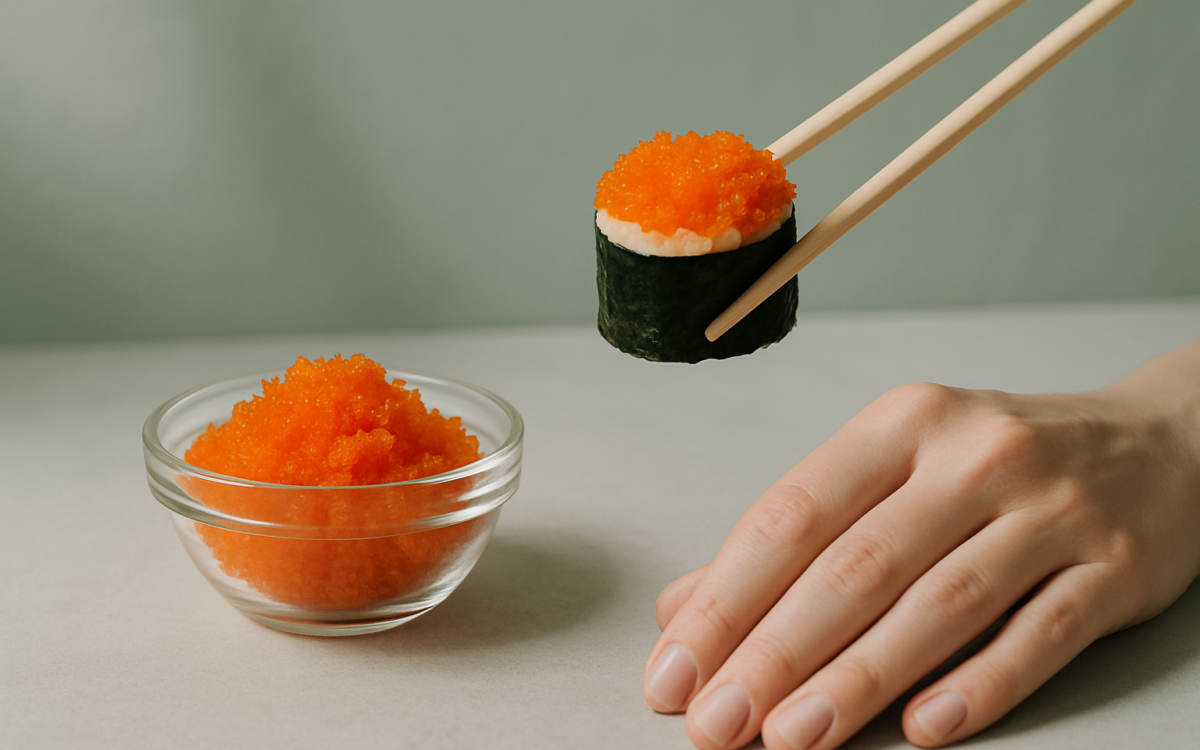
Masago, the Japanese term for capelin roe, has gained popularity in sushi bars worldwide. These tiny, orange fish eggs have a unique look and flavor that can elevate a dish. If you’ve ever had sushi featuring masago, you may have wondered what exactly it is and how it contributes to your meal. In this article, we’ll dive into the world of masago, exploring its origins, culinary uses, nutritional benefits, and some important considerations.
What is Masago?
Masago refers to the eggs of the capelin fish, which is primarily found in the North Atlantic and Arctic Oceans. The fish are small in size, and after being harvested, the eggs are processed to create masago, which is often salted and flavored for culinary use. Masago is commonly used in various sushi dishes, sauces, and garnishes, adding a delightful burst of flavor and texture.
The Culinary Appeal of Masago
The vibrant orange eggs of masago not only enhance the appearance of sushi but also bring a unique taste that many find irresistible. The flavor profile can be described as subtly briny, with a hint of sweetness and umami. This makes masago an excellent addition to sushi rolls, such as California rolls or spicy tuna rolls, and even as a topping on nigiri.
In addition to sushi, masago is often used to create various sauces and dressings for salads or seafood dishes. Its lively texture can add an interesting crunch to any meal, and many chefs appreciate its versatility in modern cuisine.
Nutritional Benefits of Masago
Masago is more than just a tasty sushi component; it also offers several nutritional benefits. Although the nutritional value can vary based on preparation and serving size, here are some notable highlights:
- Protein: Masago is a good source of protein, essential for building and repairing body tissues.
- Omega-3 Fatty Acids: As a seafood product, masago contains omega-3 fatty acids, which are known for their heart-healthy properties. These fats can help to reduce inflammation and lower the risk of heart disease.
- Vitamins and Minerals: Masago is rich in several vitamins and minerals, including vitamin B12, iron, and selenium, essential for proper body function. Vitamin B12, in particular, plays a crucial role in the production of red blood cells and maintaining a healthy nervous system.
However, it’s crucial to consume masago in moderation, especially for individuals who may need to monitor their sodium intake. Processed roe can often be high in salt, which may not be suitable for everyone.
Cooking and Serving Suggestions
When it comes to incorporating masago into your meals, creativity is key. Here are some delicious ideas:
- Sushi Rolls: Use masago as a filling or topping for sushi rolls for an added flavor punch.
- Garnishes: Sprinkle masago over salads, seafood dishes, or pasta for a burst of color and flavor.
- Masago Butter: Combine masago with butter to create a flavorful spread for toast or crackers.
- Dips and Spreads: Mix masago into cream cheese or sour cream to create a savory dip for vegetables or chips.
Masago can enhance traditional dishes or be used in innovative ways, making it a fun ingredient to experiment with in your cooking.
Considerations and Allergies
While masago is enjoyed by many, it is essential to note a few considerations when consuming this ingredient:
- Allergies: If you have a known allergy to seafood or fish, it’s crucial to avoid masago, as it is a product of fish. Allergies can cause serious reactions in some individuals, so always consult your doctor if you have concerns about food allergies.
- Sourcing: Because masago typically comes from capelin, check to ensure that the product is sustainably sourced. Overfishing and declining fish populations are global concerns, and supporting responsible seafood practices helps protect the environment.
- Pregnancy Considerations: Pregnant women are advised to limit their intake of certain types of fish due to mercury content. While capelin is generally considered low in mercury, it’s best to consult with a healthcare provider regarding safe seafood consumption during pregnancy.
When to See a Doctor
If you experience adverse reactions after consuming masago or any seafood product, such as hives, difficulty breathing, or swelling, seek medical attention immediately. Furthermore, if you have specific dietary restrictions or health concerns, discussing your dietary choices with a healthcare provider may be beneficial.
For detailed information about seafood allergies and dietary guidelines, consider resources from reputable organizations like the CDC and the Mayo Clinic.
Masago is a unique and delicious addition to your sushi experience. By understanding what masago is and how it can be used in the kitchen, you can enhance the flavors of your meals while also enjoying its nutritional benefits. Whether you’re a sushi aficionado or a curious eater, give masago a try and see how it transforms your dining experiences!
