
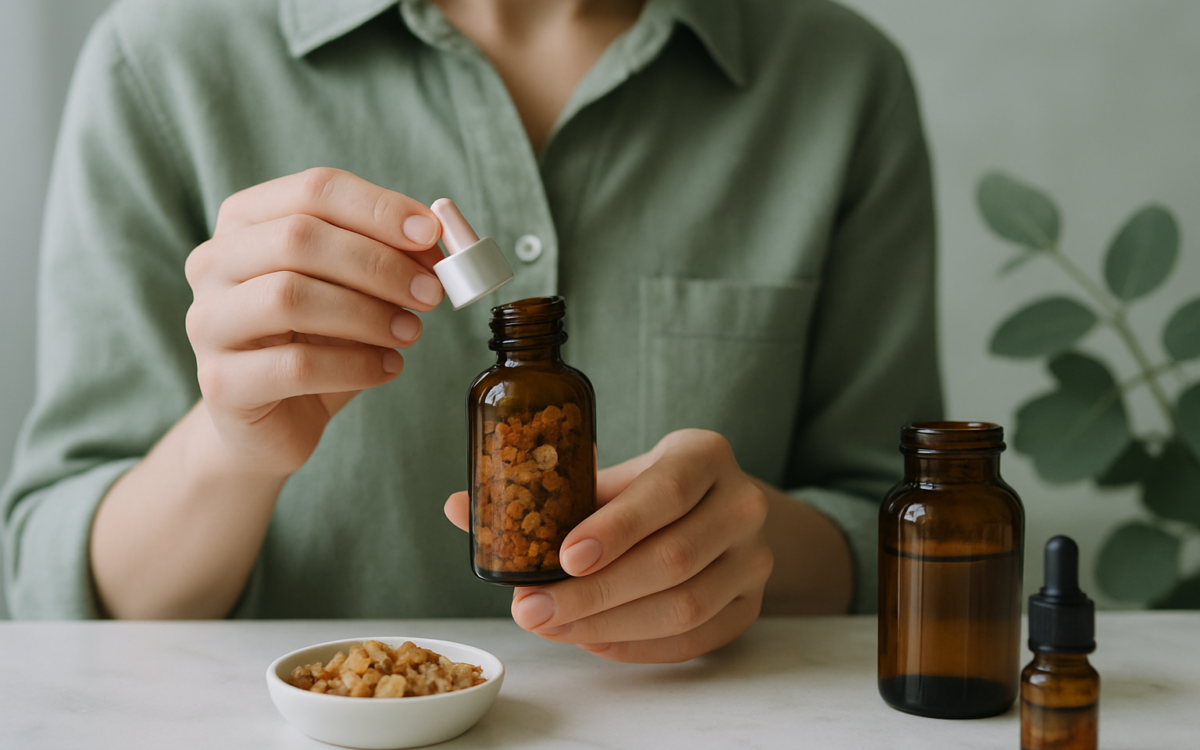
Myrrh, an aromatic gum resin, has a history steeped in ancient traditions and has been used for thousands of years across various cultures. Known for its warm, earthy scent and rich golden hue, myrrh is often mentioned in historical texts, including the Bible, as a valuable commodity. But this resin does more than just add depth to incense; it has been celebrated for its wide range of potential health benefits. In this article, we’ll explore what myrrh is, its traditional uses, modern applications, and what the science says about its health properties.
What is Myrrh?
Myrrh is obtained from the sap of the Commiphora myrrha tree, which is native to regions in Africa and the Arabian Peninsula. This resin is harvested by making incisions in the bark of the tree, allowing the sap to ooze out and harden into a gummy substance. Historically, myrrh has been used in perfumes, incense, and medicine.
Traditional Uses of Myrrh
Throughout history, myrrh has played a significant role in various cultural practices:
- Ancient Egypt: Myrrh was used in embalming processes and as an offering to the gods.
- Traditional Chinese Medicine: Myrrh has been used to improve blood circulation and relieve pain.
- Aromatic and Religious Practices: Myrrh has been burned as incense in religious ceremonies and rituals for its believed purifying properties.
Health Benefits of Myrrh
Recent studies have begun to validate some of the traditional uses of myrrh, highlighting its potential health benefits:
1. Antimicrobial Properties
Research indicates that myrrh possesses antimicrobial attributes, which may help combat bacteria and fungi. A study published by the National Institutes of Health found myrrh effective against certain types of bacteria, suggesting its potential as a natural preservative and treatment for minor infections.
2. Anti-inflammatory Effects
Myrrh has also been noted for its anti-inflammatory properties. This can be beneficial for conditions characterized by inflammation, such as arthritis. By reducing inflammation, myrrh may assist in alleviating pain and promoting healing. A review in the Journal of Traditional and Complementary Medicine supports these claims.
3. Oral Health Benefits
Myrrh’s antibacterial properties make it a popular ingredient in natural dental products. It has been used in mouthwashes and toothpaste for its potential ability to reduce bad breath and oral infections. Research also suggests that applying myrrh may help soothe gums and promote oral health.
How to Use Myrrh
There are several ways to incorporate myrrh into your daily routine:
- Myrrh Essential Oil: Diluted in carrier oils, it can be applied topically to the skin.
- Tinctures and Capsules: Available from health stores, these can be taken as dietary supplements.
- Inhalation: Myrrh oil can be added to diffusers for aromatherapy.
Always ensure the quality of myrrh products you purchase, as purity can vary between brands. Also, consult a healthcare provider before starting any new supplement, especially if you’re pregnant, nursing, or have any underlying health conditions.
Precautions When Using Myrrh
While myrrh is generally considered safe for most people, it’s important to take precautions:
- Allergic Reactions: Some individuals may be allergic to myrrh. If you notice any allergic symptoms, such as skin irritation or difficulty breathing, discontinue use and consult a doctor.
- Interactions with Medications: Myrrh may interact with certain medications, particularly blood thinners and diabetes medications. Always discuss with a healthcare provider if you are on medications.
- Pregnancy and Breastfeeding: Consultation with a doctor is advised, as high doses of myrrh can potentially lead to complications during pregnancy.
When to See a Doctor
If you are considering using myrrh for health purposes, it’s always best to consult a healthcare professional, especially if you have health conditions, are pregnant, or are taking other medications. Also, if you experience any adverse reactions while using myrrh, such as persistent irritation or unusual symptoms, seek medical advice promptly.
Conclusion
Myrrh is a fascinating substance with a rich history and a wealth of potential health benefits. Its applications range from traditional medicine to modern wellness practices. Despite its promising attributes, it’s vital to approach myrrh (and any natural remedy) with care and a healthy dose of skepticism. Always consult with a healthcare professional before integrating new supplements into your routine. By doing so, you can safely explore how myrrh might fit into your wellness journey.
