
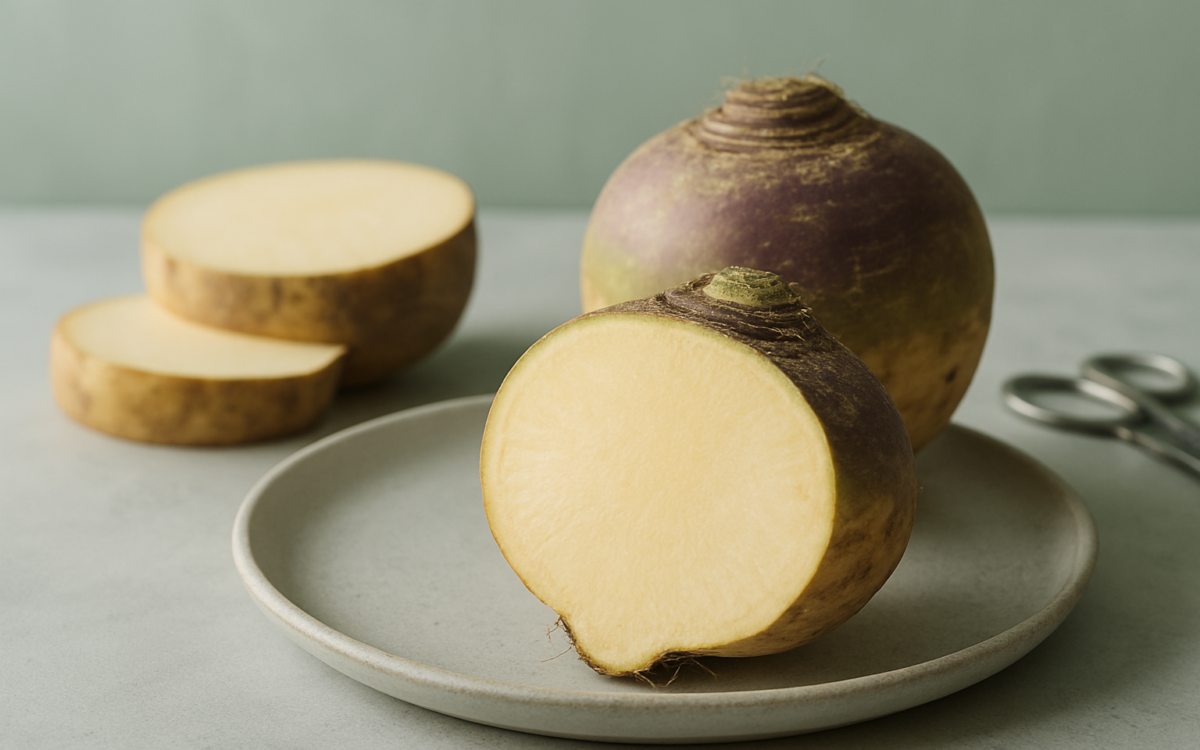
Rutabaga, also known as swede or yellow turnip, is a root vegetable that often gets overshadowed by its more popular counterparts like carrots or potatoes. However, this hearty and nutritious vegetable deserves a spot in your pantry and on your plate. Bursting with flavor and health benefits, rutabaga is easy to incorporate into your meals and can help boost your overall wellness.
What Is Rutabaga?
Rutabaga is a cross between a cabbage and a turnip, making it a part of the cruciferous vegetable family. It has a round, bulbous shape with a thick, yellow or purple skin and pale yellow flesh. Rutabagas are typically harvested in the fall and winter, making them a seasonal staple in many regions. Their unique flavor is earthy with a hint of sweetness, making them a versatile ingredient in various dishes.
Nutritional Profile of Rutabaga
Rutabaga is not just tasty; it’s also packed with nutrition. This root vegetable is low in calories yet high in vitamins and minerals. Here are some key nutrients found in rutabaga:
- Vitamin C: Important for immune function and skin health.
- Fiber: Aids in digestion and promotes a feeling of fullness.
- Potassium: Essential for heart health and regulating blood pressure.
- Antioxidants: Help combat oxidative stress and reduce inflammation.
A 100-gram serving of cooked rutabaga typically contains about 36 calories, 1.1 grams of protein, 0.1 grams of fat, and 8.6 grams of carbohydrates. This makes rutabaga not only a healthy choice but also a filling option for those looking to maintain a balanced diet.
Health Benefits of Rutabaga
Including rutabaga in your diet can offer numerous health benefits:
1. Weight Management
Its fiber content makes rutabaga an excellent choice for those looking to manage their weight. A high-fiber diet can help you feel full longer, leading to reduced calorie intake.
2. Heart Health
Rutabaga’s potassium helps regulate blood pressure and can lower the risk of cardiovascular diseases. Additionally, the antioxidants present in rutabaga may support heart health by preventing oxidative stress.
3. Digestive Health
The fiber in rutabaga aids digestion and can help prevent constipation. It also promotes a healthy gut microbiome, which is crucial for overall health.
4. Immune System Support
With its high vitamin C content, rutabaga can help boost your immune system, especially during cold and flu season. Vitamin C is known for its role in enhancing the function of immune cells.
As more individuals seek holistic and international approaches to health, certain regions, like Turkey, offer unique insights and techniques for incorporating vegetables like rutabaga into traditional diets. For those interested in exploring different culinary ideas or treatments, seeking treatment in Turkey may provide valuable resources and information.
How to Prepare and Cook Rutabaga
Rutabaga can be enjoyed in various ways, whether mashed, roasted, or added to soups and stews. Here are some simple cooking methods:
- Mashing: Peel and cook rutabaga slices in boiling water until tender, then mash with butter and seasonings for a delicious side dish.
- Roasting: Cut rutabaga into cubes, toss with olive oil, salt, and pepper, and roast at 400°F (200°C) for 30-40 minutes until golden brown.
- Soups and Stews: Add chopped rutabaga to your favorite soups or stews for added flavor and nutrition.
The possibilities are endless! Try experimenting with rutabaga in place of potatoes in recipes to enjoy its unique taste and texture.
Storage and Selection Tips
When shopping for rutabaga, look for firm, unblemished vegetables without soft spots. The leaves, if attached, should be vibrant and fresh. Store rutabagas in a cool, dark place, such as a root cellar or the vegetable drawer of your refrigerator, where they can last several weeks. Avoid washing them until you’re ready to use them to prolong freshness.
Potential Risks and Considerations
While rutabaga is generally safe for most people, it’s important to consult with a healthcare provider if you have specific dietary concerns or allergies. Individuals who are sensitive to cruciferous vegetables may experience gastrointestinal discomfort, so always be aware of how your body reacts to new foods.
When to See a Doctor
If you experience any adverse reactions after eating rutabaga, such as gastrointestinal discomfort or allergic symptoms, it’s best to consult a healthcare professional. This will help ensure your health and safety.
In conclusion, incorporating rutabaga into your diet can provide various health benefits while adding unique flavors to your meals. Whether you’re looking to enhance your nutrition or try a new vegetable, give rutabaga a chance!
