
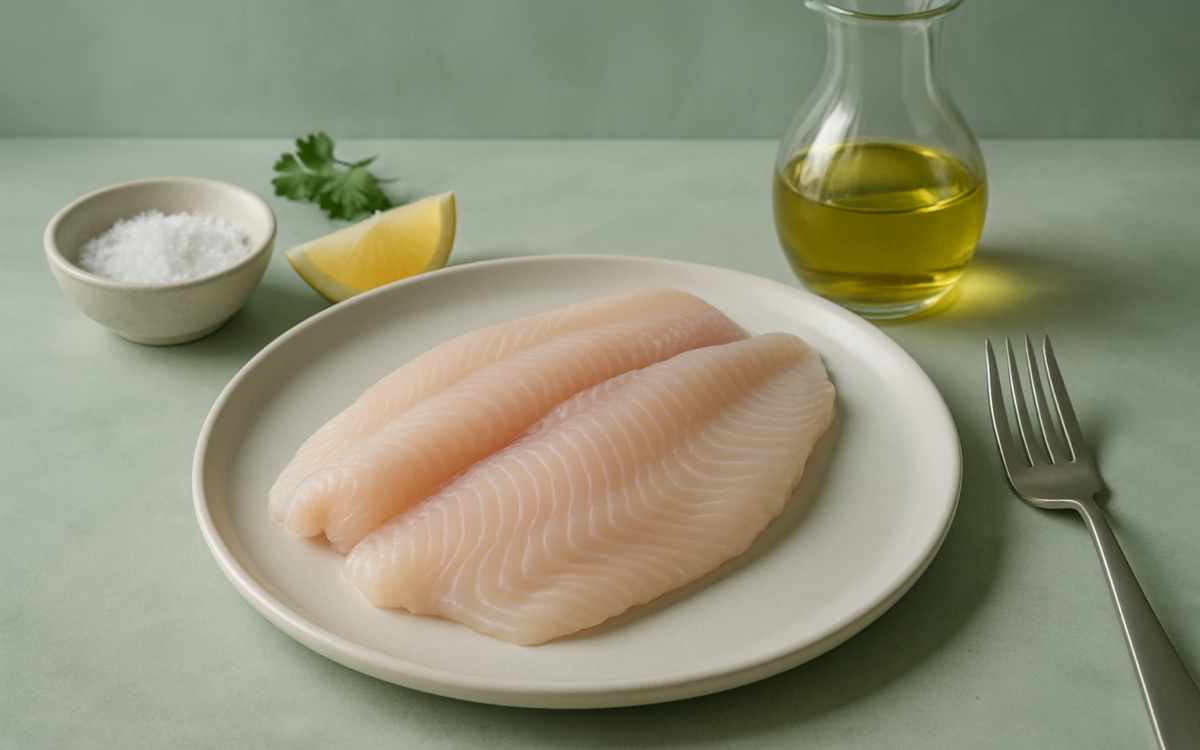
Swai fish, sometimes known as iridescent shark, has gained popularity in kitchens and restaurants around the world. Known for its mild flavor and tender texture, it presents a unique option for those looking to incorporate more seafood into their diets. In this article, we’ll explore the health benefits of swai fish, how to cook it, and some considerations for choosing sustainable seafood.
What is Swai Fish?
Swai fish is a freshwater fish native to Southeast Asia, particularly in the Mekong River delta regions of Vietnam and Thailand. It belongs to the catfish family and is often farmed due to its fast growth rate and adaptability to various environments. Swai has a pale, flaky flesh that is often compared to that of cod or tilapia, making it an appealing choice for various culinary applications.
Nutritional Profile of Swai Fish
When it comes to nutrition, swai fish offers several benefits. Here’s a breakdown of its key nutrients:
- High in protein with approximately 20 grams per 100 grams of fish
- Low in calories, with around 90-100 calories per serving
- Contains omega-3 and omega-6 fatty acids, which are essential for heart health
- Rich in vitamins such as B12 and niacin, which support metabolism and nerve function
These nutrients make swai a good choice for those who are looking to maintain a healthy diet without consuming excessive calories. The combination of protein and healthy fats can be especially beneficial for maintaining muscle mass and overall wellness.
Health Benefits of Eating Swai Fish
Incorporating swai fish into your diet can provide several health benefits:
1. Promotes Heart Health
Swai fish’s omega-3 fatty acids contribute to heart health by helping to reduce inflammation and lower cholesterol levels. Eating fish regularly can also support healthy blood pressure. The [American Heart Association](https://www.heart.org/en) recommends consuming fish at least twice a week as part of a heart-healthy diet.
2. Supports Weight Management
Being low in calories and high in protein makes swai fish an excellent option for weight management. It can help you feel full without consuming too many calories, which can assist in weight loss or maintenance.
3. Nutrient-Dense Food Choice
Swai is rich in essential vitamins and minerals, making it a nutrient-dense option for meals. The presence of vitamin B12 supports energy levels and healthy brain function. Eating a variety of fish, including swai, can help ensure you receive a broad range of nutrients.
Culinary Uses and Preparation Techniques
Swai fish is versatile in the kitchen and can be prepared in many different ways:
Grilling
Grilling swai fillets can bring out their natural flavors. Marinate the fillets for an hour with lemon juice, garlic, and herbs before placing them on the grill.
Baking
Baking is another simple way to prepare swai. Coat the fish with olive oil, seasoning, and fresh vegetables, then bake at 375°F until cooked through, about 15-20 minutes.
Frying
For a crispy texture, you can also fry swai fish. Dredging the fillets in flour or batter before frying adds a nice crunch.
Considerations for Buying Swai Fish
While swai fish is a nutritious and delicious option, there are some factors to keep in mind when purchasing it:
Sustainability
Much of the swai fish sold in the U.S. comes from Vietnam, where farming practices can vary widely. Choosing sustainably sourced seafood is important. Look for certifications from organizations like the [Marine Stewardship Council](https://www.msc.org/) or the [Aquaculture Stewardship Council](https://www.asc-aqua.org/).
Quality
When selecting swai, look for fillets that are moist, firm, and free from strong odors. Fresh fish should never smell overly fishy. Frozen swai should have no ice crystals and be vacuum-sealed.
When to See a Doctor
If you have questions about incorporating swai fish or any seafood into your diet, especially if you have allergies or health conditions, consulting your healthcare provider is advisable. Additionally, those who consume significant amounts of fish should be aware of mercury levels in various species and may want to discuss this with their doctor.
Conclusion
Swai fish is a delicious, nutritious option that can easily fit into a healthy diet. With its array of cooking methods and health benefits, it provides a versatile choice for seafood lovers and novices alike. By supporting sustainable sourcing practices and focusing on preparation techniques, you can enjoy swai fish while contributing to ocean health. For more information about seafood and health, consider checking resources from the [CDC](https://www.cdc.gov/) or the [World Health Organization](https://www.who.int/).
