
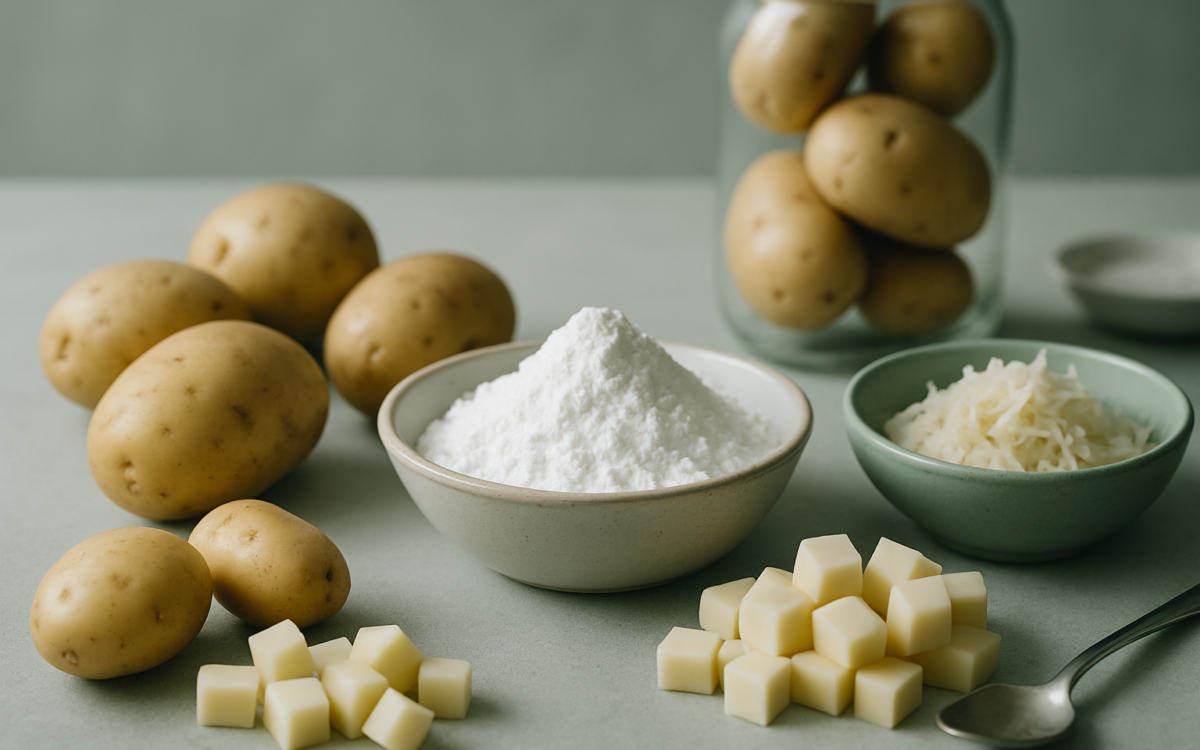
When you’re in the middle of a recipe calling for potato starch, it can be frustrating if you don’t have any on hand. Whether you’re looking for gluten-free options or just want to switch things up, understanding substitutes can enhance your cooking and baking experience. Potato starch is commonly used as a thickening agent and to provide a crisp texture in foods. Luckily, there are several alternatives that can work just as well, each with its own unique properties. Here’s an in-depth look at some of the best potato starch substitutes.
1. Cornstarch: A Common Choice
Cornstarch is perhaps the most popular substitute for potato starch. Known for its excellent thickening properties, cornstarch can be used in cooking and baking without significantly altering the flavor of the dish. To substitute cornstarch for potato starch, use a 1:1 ratio. However, be mindful that cornstarch should be mixed with cold water before adding to hot dishes to prevent clumping.
2. Arrowroot Powder: A Natural Option
Arrowroot powder is another great alternative to potato starch. This gluten-free starch comes from the root of the arrowroot plant and works well in various recipes, including sauces, puddings, and baked goods. It has a neutral flavor and can thicken liquids quickly without creating a cloudy appearance. Generally, use the same amount of arrowroot powder as the potato starch called for in your recipe. Unlike cornstarch, arrowroot can also provide a glossy finish, making it ideal for glossy sauces.
3. Tapioca Starch: Versatile and Easy
Tapioca starch, derived from cassava root, is another excellent substitute for potato starch. This gluten-free option adds a pleasant chewiness to baked goods and is commonly used in both savory and sweet dishes. When using tapioca starch, you can also apply a 1:1 ratio as a substitute. It’s worth noting that tapioca starch is especially popular in making gluten-free bread, as it helps to retain moisture.
4. Rice Flour: A Simple Swap
If you’re looking for a pantry staple, rice flour might be the easiest swap for potato starch. While it may not thicken liquids quite as effectively as potato starch, it works well in baked goods and can provide a nice texture. To replace potato starch with rice flour, use a bit more—roughly 1.5 times the amount of rice flour to potato starch. It’s important to keep in mind that rice flour might create a slightly grainy texture, so it’s best for recipes where this won’t be noticeable.
5. Xanthan Gum: For the Adventurous Cook
Xanthan gum may be a less familiar option for some, but it’s a powerful thickening agent often used in gluten-free cooking. A small amount goes a long way, so when substituting for potato starch, use about 1 teaspoon of xanthan gum for every tablespoon of potato starch. It’s ideal in sauces, dressings, and baked goods, providing stability and texture without the need for gluten.
6. Oat Flour: A Healthy alternative
For those interested in whole grains, oat flour can also serve as a substitute for potato starch. Made from ground oats, it can act as a thickener while adding a subtle flavor to your dishes. However, oat flour works best in baking, so if you use it as a thickening agent in liquids, start with a smaller amount—around 1 tablespoon for every 2 tablespoons of potato starch—and adjust as needed. Be sure to check for gluten-free options if you have dietary restrictions.
Choosing the Right Substitute
When selecting a potato starch substitute, consider the role that potato starch plays in your specific recipe. Are you using it as a thickener for soups or sauces? Or does it contribute to the texture of baked goods? Understanding its purpose can help you choose the most suitable alternative.
Always test your substitutes in a small batch when possible. You may find certain substitutes work better for specific dishes than others, allowing you to experiment and perfect your cooking techniques.
When to See a Doctor
Even though food substitutions are a common practice in cooking, if you have specific dietary restrictions or allergies, it’s crucial to consult your doctor or a registered dietitian. They can provide personalized advice based on your unique health needs and dietary goals.
For further insights on nutrition and dietary practices, check reputable sources like the NIH or the WHO.
Conclusion
Cooking is all about creativity, and knowing how to substitute ingredients can unlock new flavors and textures in your dishes. Whether you reach for cornstarch, arrowroot, or a unique option like xanthan gum, having a range of substitutes at your disposal can make you a more versatile and competent cook. So the next time you find yourself short on potato starch, remember these alternatives and don’t hesitate to experiment!
