
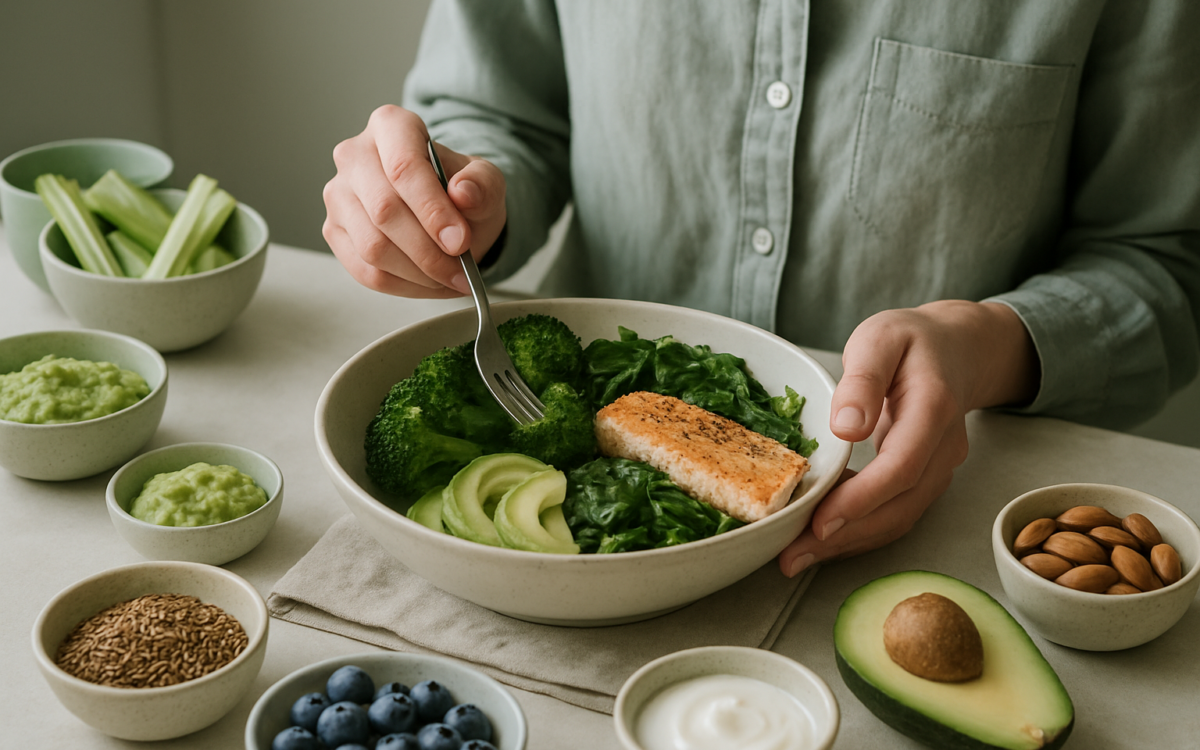
In a world where chronic illnesses and inflammation seem all too common, many people are turning to food as a solution. The concept of an anti-inflammation diet is gaining popularity, not just among health enthusiasts but also among everyday individuals looking to improve their well-being. This diet focuses on incorporating foods that combat inflammation while minimizing those that can promote it. But what does this mean for your daily meals? Let’s explore the essentials of the anti-inflammation diet and how you can implement it into your routine.
Understanding Inflammation
Inflammation is your body’s natural response to injury or infection. It plays a critical role in healing. However, chronic inflammation can lead to serious health issues, including heart disease, diabetes, and autoimmune disorders. According to the National Institutes of Health, inflammation can be influenced by various factors, most notably diet.
Key Components of an Anti-Inflammation Diet
The anti-inflammation diet is rich in specific foods that are known to reduce inflammation. Here are some essential components to include in your diet:
- Fruits and Vegetables: Aim for a variety rich in color. Berries, leafy greens, and cruciferous vegetables like broccoli and cauliflower are particularly beneficial.
- Healthy Fats: Incorporate sources of omega-3 fatty acids, such as salmon, walnuts, and flaxseeds. Olive oil is also a great choice.
- Whole Grains: Choose whole grains over refined grains. Brown rice, quinoa, and whole oats can provide essential nutrients.
- Nuts and Seeds: A handful of nuts or seeds each day can deliver antioxidants and healthy fats that help reduce inflammation.
- Spices and Herbs: Turmeric and ginger are well-known for their anti-inflammatory properties. Sprinkle them into your meals for added benefits.
Foods to Avoid
Just as important as what you should eat is what you need to minimize or avoid. Certain foods can trigger inflammation, making it essential to be mindful of your choices:
- Sugary Foods: High sugar intake can lead to increased inflammation.
- Processed Foods: Foods high in trans fats and additives, like many fast foods and pre-packaged snacks, should be limited.
- Refined Carbohydrates: White bread, pastries, and pastas can spark inflammation due to their low nutrient value.
- Excessive Alcohol: While moderate consumption may be fine for some, excessive drinking can contribute to inflammation.
Meal Planning Tips
Integrating an anti-inflammation diet into your lifestyle doesn’t have to be daunting. Here are some practical meal planning tips to get you started:
- Plan Your Meals Ahead: Set aside a day each week to plan meals. Make sure to include a variety of anti-inflammatory foods in your plans.
- Shop Smart: When grocery shopping, stick to the perimeter of the store where fresh produce, whole grains, and lean proteins are typically found.
- Prep Your Ingredients: Spend a bit of time washing and chopping fruits and vegetables. Having them ready to go can encourage healthier snacking.
- Experiment with Recipes: Try to incorporate new ingredients and recipes into your meals. Cooking with spices can add flavor while providing health benefits.
Understanding the Broader Benefits
Adopting an anti-inflammation diet can lead to more than just reduced inflammation. Research shows that a diet rich in certain nutrients can lower the risk of chronic diseases and improve overall health. For instance, a study published in the Journal of Nutrition highlights how these foods can support cardiovascular health, promote weight loss, and even improve mood.
Staying Committed to Your Diet
Transitioning to an anti-inflammation diet may take time. Here are some tips to help you stay on track:
- Set Realistic Goals: Don’t aim for perfection. Focus on gradually making healthier choices.
- Involve Family and Friends: Share your goals with loved ones and encourage them to join you on this journey.
- Track Your Progress: Keep a food journal to note how you feel after meals. It can help reinforce your commitment.
When to See a Doctor
If you are experiencing persistent symptoms that you believe may be related to inflammation, it’s essential to consult with a healthcare provider. They can help determine the cause of your symptoms and discuss potential dietary changes or other treatments. Don’t hesitate to reach out if you notice unusual swelling, pain, fatigue, or any other concerning signs.
In conclusion, adopting an anti-inflammation diet can be a supportive strategy for improving your health and well-being. By focusing on whole, nutrient-rich foods and reducing inflammatory triggers in your diet, you can not only manage inflammation but also enhance your overall wellness. Start small, be mindful of your eating habits, and enjoy the delicious journey toward better health!
