
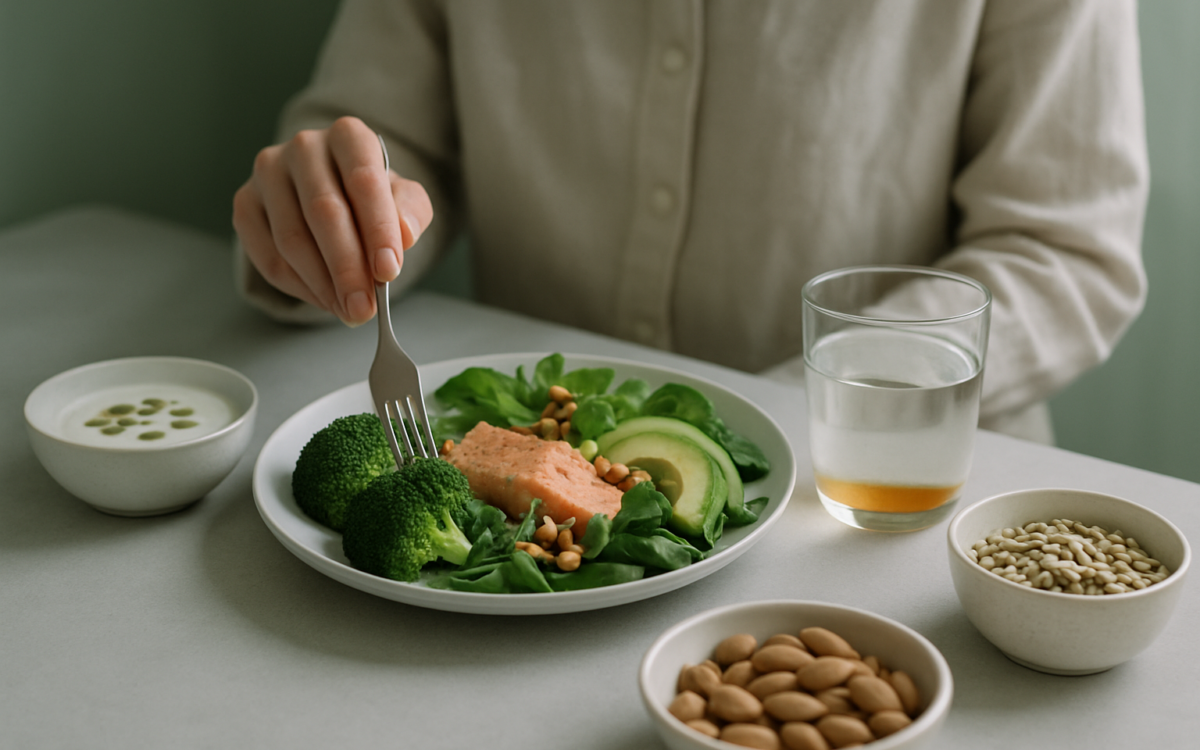
The modern world is bustling with stress, pollution, and processed foods, all of which can lead to inflammation in the body. While we often think of inflammation as something that only happens when we get injured, it can also be a silent player in chronic diseases. Thankfully, what we eat can significantly affect our body’s inflammation levels. By adopting an anti-inflammatory diet, we can take an essential step toward better health.
What is an Anti-Inflammatory Diet?
An anti-inflammatory diet focuses on including foods that can help reduce inflammation while avoiding those that may increase it. The food choices not only promote overall health but can also help prevent and manage diseases such as heart disease, diabetes, and arthritis. This diet emphasizes whole, nutrient-dense foods and minimizes processed items that typically contain unhealthy fats and sugars.
Key Components of the Diet
Fruits and Vegetables
Fruits and vegetables are at the heart of an anti-inflammatory diet. They are packed with antioxidants, vitamins, and minerals that can help combat inflammation. Aim for a rainbow of colors on your plate. Some particularly beneficial choices include:
- Berries (strawberries, blueberries, blackberries)
- Leafy greens (spinach, kale, collard greens)
- Cruciferous vegetables (broccoli, cauliflower, Brussels sprouts)
Healthy Fats
Incorporating healthy fats is vital for an anti-inflammatory diet. Omega-3 fatty acids, found in foods like fish and flaxseeds, are particularly effective at fighting inflammation. Consider adding these sources to your meals:
- Fatty fish (salmon, mackerel, sardines)
- Nuts (walnuts, almonds)
- Olive oil
Foods to Limit or Avoid
Processed Foods
One of the biggest culprits of inflammation is processed foods. These often contain high amounts of added sugars, unhealthy fats, and preservatives. Cut back on items such as:
- Fast food
- Snack foods (chips, cookies, candy)
- Refined carbohydrates (white bread, pastries)
Excess Sugar and Salt
Excessive sugar and salt can lead to inflammation in the body. Reducing sugary drinks and high-sodium processed meals can make a significant difference. Instead, opt for:
- Natural sweeteners (honey, maple syrup) in moderation
- Herbs and spices (like garlic and ginger) for flavor without added salt
Spices with Anti-Inflammatory Properties
Many spices can add flavor to your meals while also providing anti-inflammatory benefits. Two standout options are turmeric and ginger, both of which have been praised for their health-promoting properties. Adding these spices to your cooking can help enhance your diet:
- Turmeric: Contains curcumin, which has powerful anti-inflammatory effects.
- Ginger: Known for its ability to soothe stomach issues, it also may help reduce inflammation.
Establishing a Balanced Meal Plan
Creating a balanced meal plan is essential for anyone adopting an anti-inflammatory diet. It’s not just about choosing the right foods, but also how they come together in your daily meals. Here’s an easy guide to get started:
- Breakfast: Oatmeal topped with berries and a sprinkle of cinnamon.
- Lunch: A large salad with mixed greens, cherry tomatoes, avocado, and grilled salmon, dressed with olive oil and lemon.
- Dinner: Stir-fried vegetables with tofu or chicken, flavored with ginger and garlic.
- Snacks: A handful of nuts or a piece of fruit.
When to See a Doctor
If you have persistent symptoms of inflammation, such as joint pain or other chronic health issues, it’s essential to consult with a healthcare professional. A doctor can provide personalized guidance and might suggest more specific dietary interventions to support your health.
Additionally, if you’re considering significant dietary changes, particularly if you have underlying health conditions, a conversation with your doctor or a registered dietitian can offer valuable insights tailored to your needs.
Conclusion
Eating an anti-inflammatory diet is a proactive approach that can support your overall health and well-being. By prioritizing whole foods, healthy fats, and colorful fruits and vegetables, you can create meals that not only taste great but also help your body stay clear of harmful inflammation. While food choices are crucial, keep in mind that it’s best to look at your overall lifestyle, including stress management, sleep, and physical activity, for comprehensive health enhancement.
For a deeper understanding of how your diet can impact inflammation, feel free to explore resources such as the National Institutes of Health and Mayo Clinic.
