
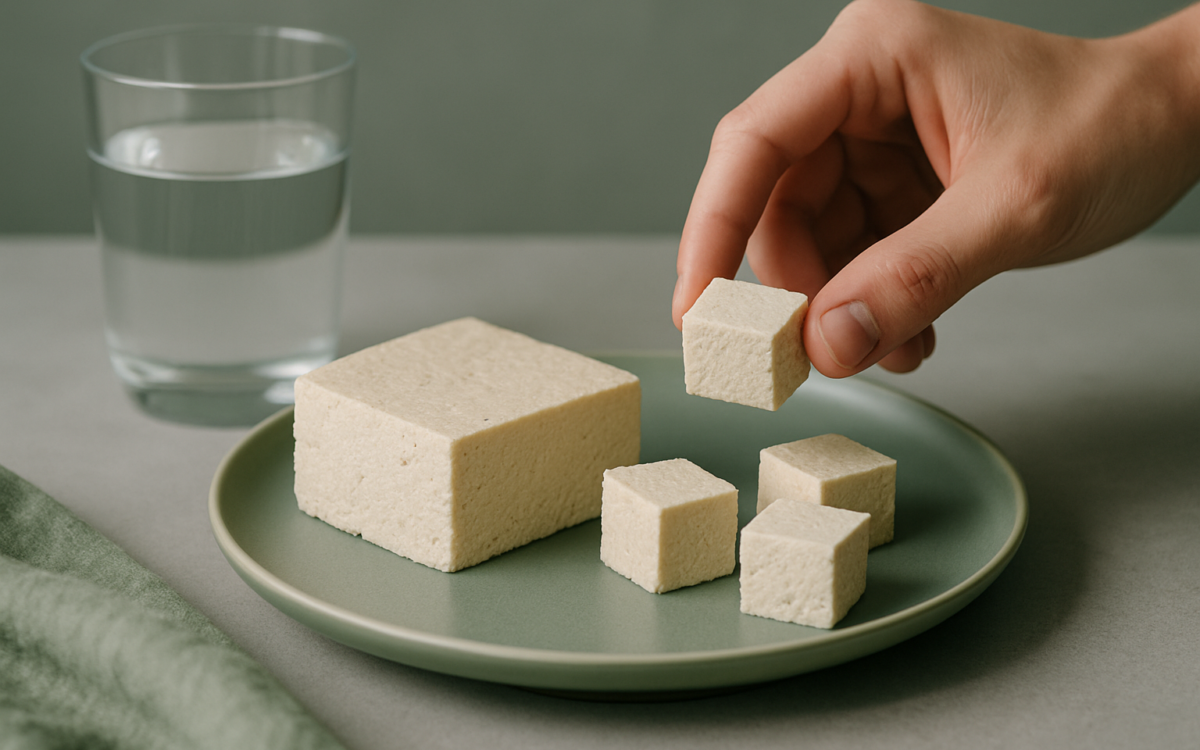
Tofu, a popular soy-based protein, has gained traction in kitchens around the globe. Known for its versatility, tofu can be used in savory dishes, soups, and even desserts. But can you eat tofu raw? This question is more common than you might think. In this article, we’ll dive into the nutritional profile of tofu, explore its health benefits, and discuss safety considerations for consuming it raw.
What is Tofu?
Tofu, often referred to as bean curd, is made by coagulating soy milk and pressing the curds into solid white blocks. It comes in various textures, including silken, soft, firm, and extra-firm, each suitable for different culinary applications. Tofu is rich in protein, low in calories, and contains essential nutrients like calcium and iron, making it a staple for vegetarians and health enthusiasts alike.
Health Benefits of Tofu
Eating tofu offers several health advantages:
- High in Protein: Tofu is an excellent source of plant-based protein, making it ideal for vegetarians and vegans. A half-cup serving of firm tofu contains about 20 grams of protein.
- Rich in Nutrients: Tofu is packed with calcium, magnesium, iron, and other vitamins that are crucial for maintaining a healthy body.
- Heart Health: Regular consumption of tofu may help lower cholesterol levels, thanks to its polyunsaturated fats and isoflavones. These components can support heart health and may reduce the risk of heart disease.
- Bone Health: Tofu, particularly the calcium-enriched varieties, provides a good source of calcium, which is vital for bone density and strength.
Can You Eat Tofu Raw?
Generally, it is safe to eat tofu raw, especially if it is properly stored and handled. However, there are a few important things to consider:
- Types of Tofu: Silken tofu is often eaten raw in smoothies or desserts, while firm tofu can be consumed raw if it has been prepared correctly. Always check that the tofu is labeled as pasteurized.
- Storage: Tofu should be refrigerated, and any unused portions should be stored in water and kept in a sealed container, changing the water daily to maintain freshness. Consume it within about a week for the best quality.
- Preparation: It’s wise to rinse the tofu before eating to remove excess sodium or other preservatives. Also, marinades can enhance flavor and nutrition.
Potential Risks of Eating Raw Tofu
While raw tofu is generally safe, there are some risks associated with eating it uncooked:
- Foodborne Illness: Any raw or undercooked food carries a risk of exposure to bacteria. Although the risk is low for tofu, you should always choose fresh, well-stored products.
- Digestibility: Some people may find tofu harder to digest when it is raw. Cooking tofu can help with its digestibility and enhance nutrient absorption.
- Individual Tolerance: For those with soy allergies or sensitivities, consuming any form of tofu, including raw, should be avoided. Always consult your doctor if you have concerns about allergies.
Ways to Enjoy Raw Tofu
If you’ve decided to include raw tofu in your diet, here are some delicious ways to enjoy it:
- Salads: Incorporate diced raw tofu into salads for added protein. Toss it with fresh vegetables and a zesty dressing.
- Smoothies: Blend silken tofu into smoothies for a creamy texture and a protein boost.
- Dips: Use blended silken tofu as a base for healthy dips like hummus or dressings.
- Marinated Tofu: Soak raw tofu in soy sauce, sesame oil, or your favorite dressing to enhance its flavor.
Is Cooked Tofu Better?
While eating raw tofu is perfectly fine for many, cooking tofu has its benefits. Cooking can:
- Enhance Flavor: Cooking tofu allows it to absorb flavors better and achieve crispy textures that many find appealing.
- Increase Digestibility: Cooking makes tofu easier to digest, which may be beneficial for individuals with sensitive stomachs.
- Reduce Antinutrients: Some raw soy products contain antinutrients that can inhibit nutrient absorption; cooking can help reduce their presence.
In conclusion, incorporating raw tofu into your diet can be a healthy choice, provided you handle and store it correctly. Enjoy it in salads, dips, and smoothies, or consider cooking it for various flavor and texture benefits. Remember, if you have specific dietary concerns or a history of food allergies, it’s always best to consult with a healthcare professional.
When to See a Doctor
If you experience gastrointestinal discomfort after consuming tofu or you suspect an allergy to soy products, it is important to seek medical advice. Your healthcare provider can guide you on dietary options tailored to your individual health needs.
