
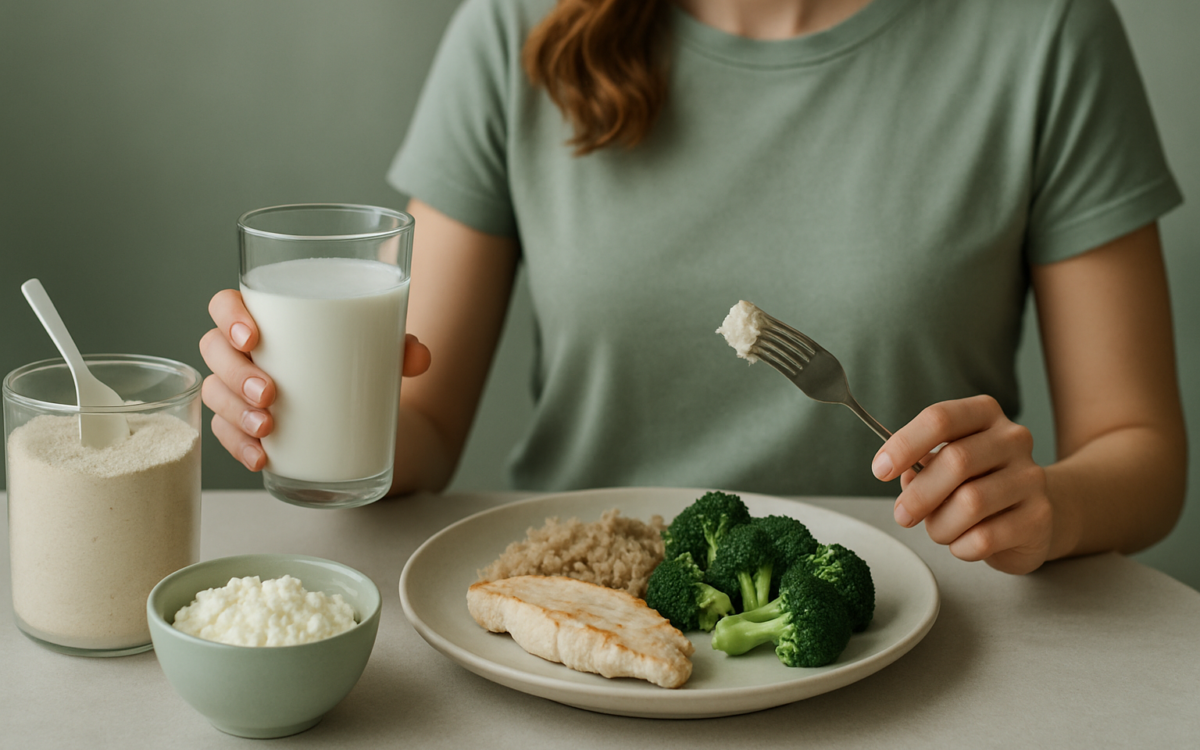
Protein plays an essential role in our diet, serving as the building block for cells and tissues, and is vital for overall health. For women, understanding daily protein intake can empower them to make better dietary choices, particularly as needs may change throughout different life stages.
Why Protein is Important
Protein is made up of amino acids, which are crucial for many bodily functions including:
- Repairing and rebuilding tissues
- Producing enzymes and hormones
- Supporting immune function
- Maintaining muscles and bones
Consuming adequate protein can also help manage weight, boost metabolism, and improve body composition. Understanding how much protein women should consume daily is key to achieving these benefits.
How Much Protein Do Women Need?
The recommended dietary allowance (RDA) for protein varies based on factors such as age, activity level, and life stage. For most adult women, the RDA for protein is:
- 46 grams per day for women aged 19-50
- 46 grams per day for women aged 51 and older
- Pregnant women may need about 71 grams per day
This RDA is sufficient to meet the nutritional needs of 97-98% of healthy individuals. However, while this is a general guideline, active women, especially athletes or those with higher levels of physical activity, often have increased protein needs.
Daily Protein Intake and Activity Level
Your daily protein intake may need to be adjusted based on your exercise routine. Here’s a simple breakdown:
- **Sedentary Women**: Stick to the RDA of 46 grams.
- **Active Women**: Aim for 1.2 to 2.0 grams of protein per kilogram of body weight, depending on the intensity of exercise. For example, a 70 kg active woman might require between 84 to 140 grams of protein daily.
- **Strength Training**: If your routine includes significant strength training, you may need on the higher end of the protein spectrum—around 1.6 to 2.2 grams per kilogram of body weight.
It’s important to discuss your specific needs with a healthcare provider or a registered dietitian to tailor your protein intake according to your lifestyle.
Protein Sources to Consider
<pWhen it comes to sourcing protein, women have a wealth of options, both animal-based and plant-based:
Animal Sources:
- Lean meats (chicken, turkey, beef)
- Fish (salmon, tuna, mackerel)
- Dairy products (milk, yogurt, cheese)
- Eggs
Plant Sources:
- Legumes (beans, lentils, chickpeas)
- Nuts and seeds (almonds, chia seeds, pumpkin seeds)
- Tofu and tempeh
- Whole grains (quinoa, brown rice)
Including a variety of these protein sources in your diet can help ensure you are getting a full spectrum of amino acids and other nutrients. Combining different plant-based proteins can also provide complete protein profiles.
Protein Timing: When Should You Eat It?
How and when you consume protein can also affect your overall health and fitness goals. Here are some tips on protein timing:
- Spread Intake Throughout the Day: Aim to include protein at every meal and snack, aiming for about 15-30 grams per meal.
- Pre- and Post-Workout: Consuming protein within 30 minutes after a workout can help repair muscles and aid recovery.
- Before Bed: A small protein-rich snack before bed can support muscle repair overnight.
This strategic intake can make a noticeable difference in muscle recovery and overall health.
Challenges and Considerations
While protein is crucial for health, there are some considerations women should keep in mind:
- Dietary Restrictions: Women following vegetarian or vegan diets may need to be more mindful of their protein intake to ensure they are meeting their needs.
- Kidney Health: Those with existing kidney issues should consult a healthcare professional about their protein needs.
- Quality vs. Quantity: It’s not just about how much protein you eat, but also the quality. Choose whole food sources over processed options whenever possible.
When to See a Doctor
If you are unsure about your protein needs or are experiencing symptoms of malnutrition, fatigue, or muscle weakness, consult a healthcare provider. They can help assess your dietary intake and guide you in creating a balanced nutrition plan based on your individual needs.
Conclusion
Understanding daily protein intake is vital for women’s health and can significantly impact overall well-being. By knowing how much protein you need, where to find it, and when to consume it, you can make empowered dietary choices. Remember to consult a healthcare professional for personalized advice to help you navigate your nutritional journey.
