
Protein plays a vital role in our bodies, impacting everything from muscle growth to immune function. While many people focus on the amount of protein they consume, understanding how much protein a man needs daily is crucial for a balanced diet. This article delves into the various factors that influence protein requirements, how much protein is needed, and practical ways to ensure you’re meeting these needs.
Understanding protein’s role in the body
Protein is often referred to as the building block of life. It is essential for growth, repair, and maintenance of body tissues. Proteins are made up of amino acids, which are necessary for the formation of enzymes and hormones. Furthermore, protein supports our body’s immune system and helps in the transportation of oxygen in the blood.
How much protein do men need daily?
According to the Recommended Dietary Allowance (RDA), the average adult male requires about 56 grams of protein per day. However, this number can vary based on several factors:
- Age: As men age, their bodies may require more protein to maintain muscle mass and function.
- Activity Level: Men who are physically active, especially athletes, may need between 1.2 to 2.0 grams of protein per kilogram of body weight. This translates to roughly 82 to 136 grams of protein for a 180-pound man.
- Health Status: Men recovering from illness or injury may need additional protein to promote healing.
- Muscle Mass: Increased muscle mass requires more protein for maintenance and growth.
Consider consulting a healthcare provider or a registered dietitian for personalized recommendations based on your specific circumstances.
Sources of protein for men
Meeting daily protein needs can be accomplished through a balanced diet that includes various protein sources:
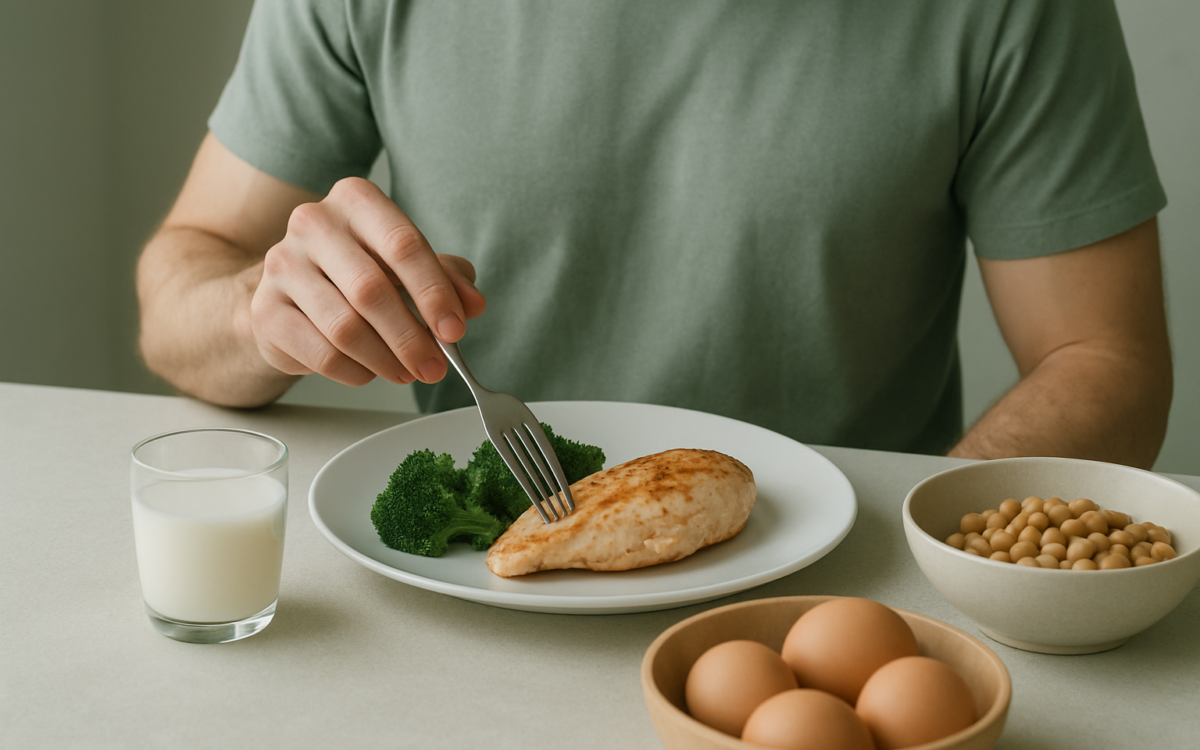
- Animal-based Sources: Foods like lean meats, poultry, fish, eggs, and dairy products are excellent sources of complete proteins, which contain all essential amino acids.
- Plant-based Sources: Beans, lentils, tofu, nuts, and whole grains provide ample protein and additional nutrients. While some plant proteins are considered incomplete, combining different sources can provide all essential amino acids.
- Supplements: Protein powders and bars can help, particularly for athletes, but they should complement a well-rounded diet, not replace whole foods.
Maintaining variety in protein sources not only ensures adequate protein intake but also promotes overall health through diverse nutrients.
Protein needs for active men
For men who engage in regular exercise or strength training, protein requirements may be higher. Active individuals can benefit from:
- Increased muscle recovery after workouts,
- Enhanced performance during physical activity, and
- Maintaining healthy muscle mass as they age.
Men who partake in intense exercise may aim for 1.2 to 2.2 grams of protein per kilogram of body weight. For example, a 175-pound (about 79 kg) active man might need between 94 and 174 grams of protein each day. It’s crucial, however, for athletes and those involved in rigorous training to work closely with nutrition experts to tailor their intake according to their specific needs.
The impact of dietary choices
Your dietary choices can significantly affect the amount of protein you consume. One important consideration is your choice between animal-based and plant-based proteins. While both can support your protein needs, their quality and nutrient profiles vary.
For men considering international treatment options, navigating dietary requirements around the globe can be complicated. An approach through international patient services can offer insights and support for nutrition as part of a comprehensive health plan.
Additionally, understanding how to incorporate a balanced diet that includes both protein types can help maximize nutrient intake and support overall health goals.
Signs you may need more protein
There are several signs that may indicate you need more protein in your diet. These may include:
- Frequent infections or illnesses,
- Increased fatigue or low energy,
- Muscle weakness or loss, and
- Slow recovery from injuries.
These symptoms can be related to inadequate protein intake, but they may also arise from other health issues. It’s important to consult with a healthcare provider if you notice these signs to explore potential causes and solutions.
When to see a doctor
If you have concerns about your protein intake or potential deficiencies, it’s essential to consult a healthcare professional. They can address any underlying issues and help develop a dietary plan tailored to your individual needs.
Conclusion
Understanding how much protein a man needs daily is a crucial part of maintaining health and wellness. By considering individual factors like age, activity level, and dietary choices, men can make informed decisions about their protein intake. Whether for muscle maintenance, energy, or overall health, ensuring adequate protein in the diet is key to optimal well-being.
