
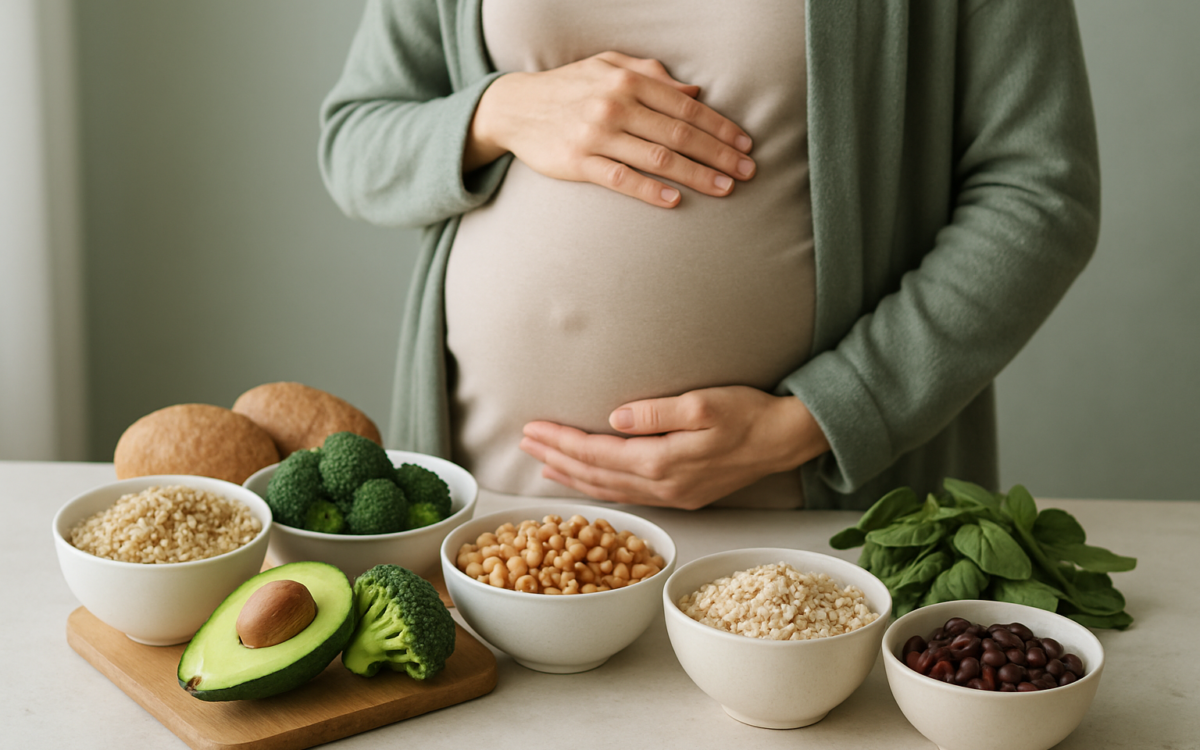
Pregnancy is a unique and crucial time when your nutritional needs change. Eating a well-balanced diet becomes even more important, and one of the key components is fiber. High-fiber foods can help manage common pregnancy discomforts and support overall health for both you and your baby. In this article, we will explore the benefits of fiber, delicious high-fiber food options, and tips to easily incorporate them into your diet.
The Importance of Fiber During Pregnancy
Fiber plays a vital role in your digestive health, especially during pregnancy. Many women experience constipation due to hormonal changes and slower digestion. This can sometimes lead to discomfort and can even contribute to more severe issues, such as hemorrhoids. According to the National Heart, Lung, and Blood Institute, consuming enough fiber can help ease these issues by promoting regular bowel movements and ensuring your digestive system operates smoothly.
In addition to aiding digestion, fiber can help you feel fuller longer, which is beneficial when you are managing cravings during pregnancy. High-fiber foods can provide essential nutrients that support both your health and your baby’s development.
Top High-Fiber Foods for Pregnant Women
When it comes to fiber-rich foods, variety is key. Here are some excellent options to consider:
- Whole Grains: Foods like brown rice, quinoa, and whole grain bread or pasta are great sources of fiber. They can easily replace their refined counterparts in your meals.
- Fruits: Apples, bananas, pears, and berries pack a fiber punch. Eating them with the skin on, when appropriate, maximizes your fiber intake. You can enjoy them as snacks or in smoothies.
- Vegetables: Leafy greens like spinach and kale, as well as broccoli and carrots, add both nutrients and fiber to your plate. Try steaming them or adding them to soups and stews.
- Legumes: Beans, lentils, and chickpeas are not only fiber-rich but also provide protein. Consider incorporating them into salads or making a hearty bean chili.
- Nuts and Seeds: Almonds, chia seeds, and flaxseeds are great little sources of fiber. You can sprinkle them on yogurt or oatmeal for added texture and nutrition.
How to Boost Your Fiber Intake
Incorporating high-fiber foods into your daily diet doesn’t have to be difficult. Here are some practical tips to help you increase your fiber intake:
- Read Labels: When shopping, look for products that list whole grains as the first ingredient. Aim for foods with at least 3 grams of fiber per serving.
- Snack Smart: Choose high-fiber snacks. Instead of chips, try air-popped popcorn or veggie sticks with hummus.
- Mix It Up: Add legumes to salads or soups to boost fiber content. You can also swap out white rice for quinoa or brown rice in your meals.
- Stay Hydrated: As you increase your fiber intake, remember to drink plenty of water. This helps with digestion and prevents bloating.
The International Perspective on Fiber Intake
While high-fiber foods can be easily found in many local supermarkets, some pregnant women may not have access to a wide variety of healthy food options. In such cases, treatment in Turkey offers a unique perspective on dietary needs for pregnant women. Many clinics emphasize the importance of consuming a balanced diet rich in local fruits, vegetables, and whole grains, ensuring expectant mothers receive both fiber and essential nutrients for a healthy pregnancy.
Dealing with Fiber-Related Challenges
While increasing fiber has numerous benefits, some women may experience bloating and gas as their bodies adjust. If you encounter these symptoms, consider increasing your fiber intake gradually. This allows your digestive system time to adapt.
Additionally, if constipation persists despite dietary changes, it’s essential to consult with your healthcare provider. They can provide guidance tailored to your specific situation and suggest safe medications or additional interventions.
When to See a Doctor
If you experience persistent or severe constipation, abdominal pain, or any other concerning symptoms during your pregnancy, it’s crucial to seek medical advice. Your healthcare provider can help address these issues and ensure both you and your baby remain healthy.
Conclusion
High-fiber foods are an essential part of a healthy pregnancy. They can alleviate common discomforts, help maintain a healthy weight, and support the proper development of your baby. By incorporating a variety of fiber-rich foods into your diet, you can nourish yourself and your growing baby. Remember, as always, consult with your doctor about any dietary changes to ensure they’re right for you.
