
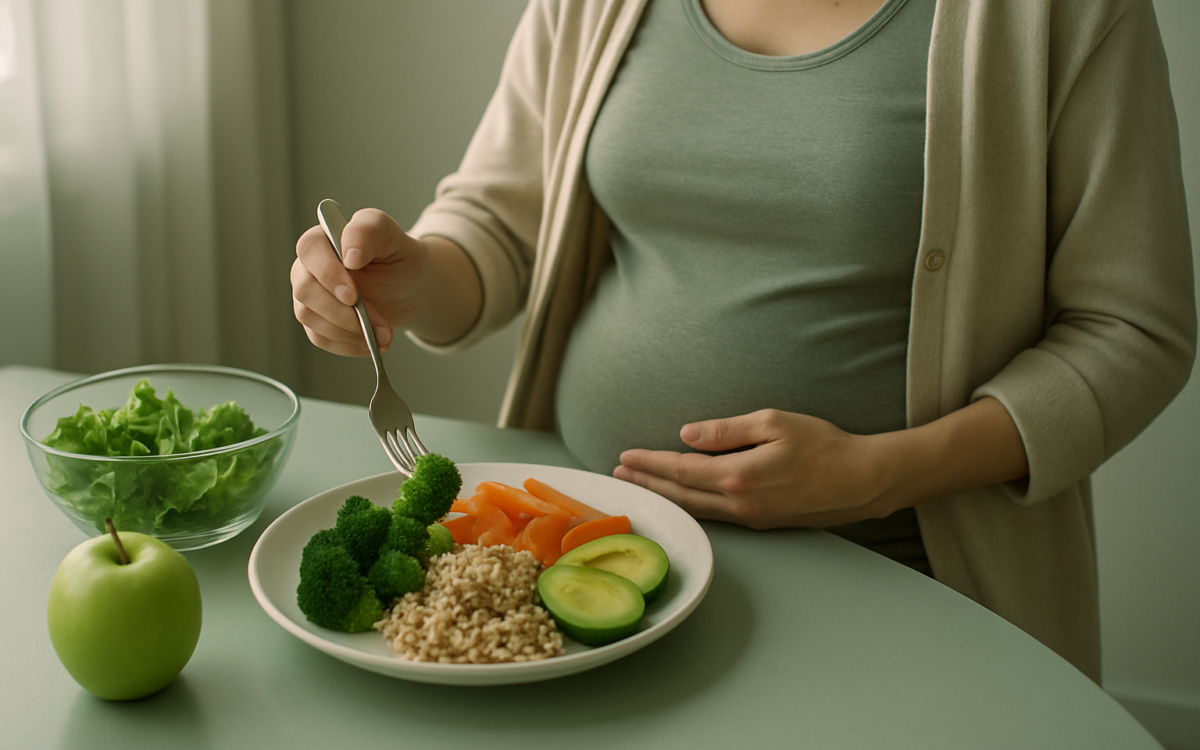
During pregnancy, a woman’s body goes through significant changes that require careful attention to diet and nutrition. The foods you eat can affect not just your health but also the development of your baby. Making informed dietary choices is essential to ensure a happy and healthy pregnancy.
Understanding Nutritional Needs
Your nutritional requirements increase during pregnancy. Your body needs extra calories, protein, vitamins, and minerals to support the growth of your baby. According to the National Institutes of Health (NIH), the average pregnant woman needs about 300 extra calories each day, especially during the second and third trimesters.
Key Nutrients for Pregnancy
Certain nutrients are particularly important during pregnancy:
- Folic Acid: Helps prevent neural tube defects. Sources include leafy greens, beans, and fortified cereals.
- Iron: Supports the increase in blood volume. Good sources include red meat, poultry, beans, and spinach.
- Calcium: Essential for building the baby’s bones and teeth. Found in dairy products, almonds, and fortified plant milks.
- Protein: Vital for your baby’s growth. Include lean meats, eggs, nuts, and legumes in your diet.
- Omega-3 Fatty Acids: Important for brain development. Found in fish like salmon and in flaxseeds and walnuts.
Healthy Eating Patterns
When you’re pregnant, it’s beneficial to focus on a balanced diet rather than simply increasing calories. Here are some practical tips for healthy eating patterns:
1. Eat a Variety of Foods
Incorporate a wide range of foods in your diet to ensure you’re getting all essential nutrients. Aim to fill your plate with fruits, vegetables, whole grains, proteins, and healthy fats.
2. Stay Hydrated
Drinking enough water is crucial during pregnancy. Aim for at least 8-10 glasses a day. Proper hydration supports overall health and helps manage common pregnancy symptoms like nausea and fatigue.
3. Choose Healthy Snacks
Opt for nutritious snacks like yogurt, fruits, nuts, or whole-grain crackers. This can help you manage hunger between meals and maintain steady blood sugar levels.
Foods to Avoid
While focusing on healthy choices, it’s equally important to know which foods to avoid during pregnancy:
- Raw or Undercooked Seafood, Eggs, and Meat: These can carry harmful bacteria or viruses.
- Certain Fish: Limit intake of fish high in mercury, such as shark, swordfish, and king mackerel.
- Unpasteurized Dairy: This can harbor bacteria that could harm you and your baby.
- Alcohol and Caffeine: It’s best to avoid alcohol and limit caffeine during pregnancy.
Importance of Prenatal Vitamins
Taking a prenatal vitamin can help you obtain the nutrients that might be missing from your diet. These vitamins are specifically formulated to meet the increased nutritional demands of pregnancy. According to the Mayo Clinic, prenatal vitamins typically contain higher levels of folic acid and iron than standard multivitamins.
Creating a Meal Plan
Planning meals ahead of time can help ensure you’re meeting your nutritional needs while also simplifying grocery shopping and cooking. Here’s a simple guideline to get you started:
1. Start with Proteins
Build your meals around lean protein sources, aiming for at least two servings per day.
2. Add Whole Grains
Incorporate whole grains like brown rice, quinoa, and whole-wheat bread for fiber and energy.
3. Fill Up on Veggies and Fruits
Try to include a variety of colors in your vegetables and fruits to maximize nutrient intake.
4. Don’t Forget Healthy Fats
Include sources of healthy fats, such as avocados, olive oil, and nuts, for optimal health.
When to See a Doctor
If you’re struggling with your diet or have specific concerns about your nutrition during pregnancy, it’s important to consult your healthcare provider. They can provide personalized recommendations and support tailored to your needs.
Conclusion
Maintaining a balanced and nutritious diet during pregnancy is fundamental for both your health and the healthy development of your baby. By focusing on whole foods, being mindful of what to avoid, and considering prenatal vitamins, you can support a healthy pregnancy. Always consult with your doctor for personalized advice based on your unique situation.
