
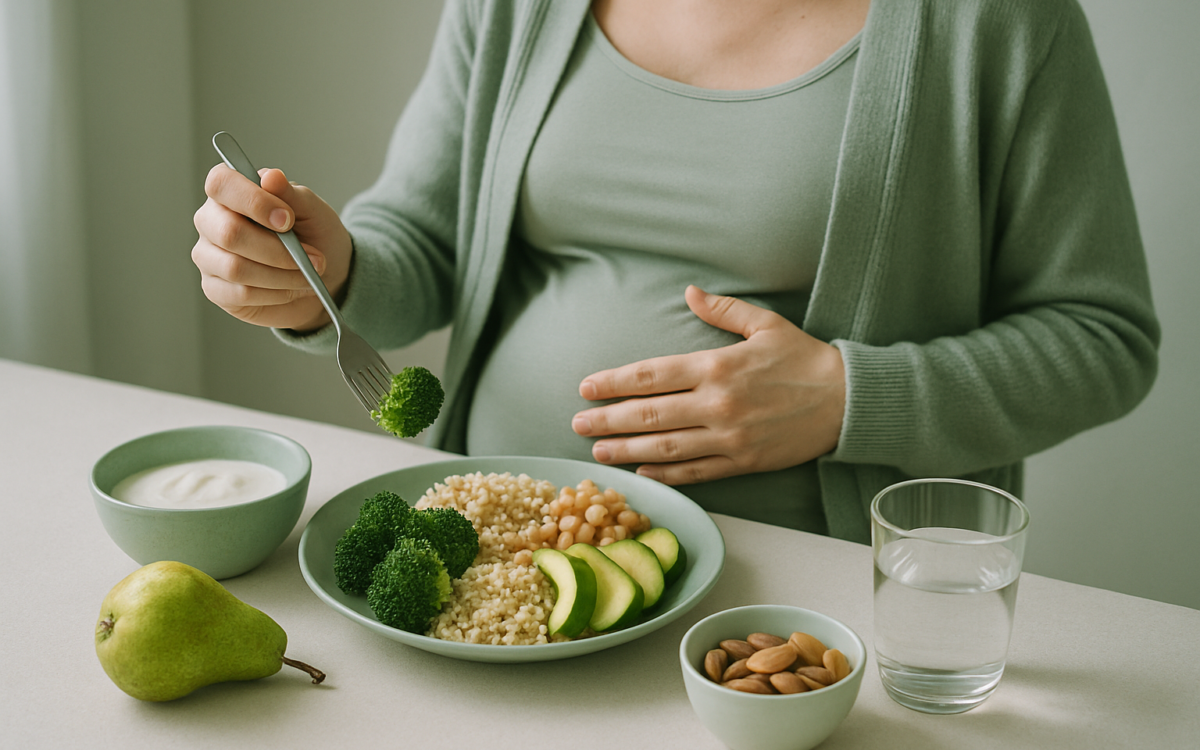
Pregnancy is a beautiful and transformative time in a woman’s life. As your body undergoes countless changes to nurture a new life, what you eat becomes especially important. A balanced diet can help support your baby’s growth and ensure you remain healthy throughout your pregnancy journey. But with so much information out there, you might wonder: what should you actually eat? Let’s explore the essential foods to include in your pregnancy diet.
Fruits and Vegetables: Nature’s Nutrient Powerhouses
Pack your plate with a colorful assortment of fruits and vegetables. They provide essential vitamins and minerals along with fiber, which can help alleviate constipation, a common issue during pregnancy.
- Dark leafy greens: Spinach, kale, and broccoli are rich in folate, which is crucial for fetal development.
- Berries: Full of antioxidants, berries such as strawberries and blueberries are tasty and nutritious.
- Citrus fruits: Oranges, lemons, and grapefruits are packed with Vitamin C, which aids in iron absorption.
- Avocados: This creamy fruit is loaded with healthy fats, fiber, and folate.
Whole Grains for Sustained Energy
As your body works hard to support the growing baby, it needs adequate energy. Whole grains provide complex carbohydrates that sustain energy levels throughout the day without spiking blood sugar.
- Brown rice: A great source of fiber and essential nutrients like magnesium.
- Quinoa: This complete protein not only offers carbohydrates but is also a good source of iron and fiber.
- Oats: Start your day with a warm bowl of oatmeal for a healthy boost of energy.
Lean Proteins: Building Blocks for Baby
Protein is vital for the development of your baby’s organs and tissues. Including lean proteins in your diet can also help keep you feeling satiated.
- Poultry: Chicken and turkey are excellent sources of lean protein that are easy to cook.
- Fish: Opt for low-mercury fish such as salmon and sardines that provide omega-3 fatty acids, which are beneficial for brain development.
- Legumes: Beans, lentils, and chickpeas are plant-based protein options that also offer fiber and iron.
Dairy and Dairy Alternatives: For Strong Bones
During pregnancy, calcium is essential for building your baby’s bones and teeth. Including dairy in your diet can help meet those needs.
- Milk: Rich in calcium and Vitamin D, milk supports bone growth.
- Yogurt: This probiotic-rich food aids digestion and provides extra calcium.
- Fortified plant-based milks: Options like almond or soy milk can also be good sources of calcium if fortified.
Healthy Fats: Important for Development
Not all fats are created equal. Healthy fats are crucial during pregnancy as they support brain development and can help regulate mood.
- Nuts and seeds: Consuming walnuts and flaxseeds offers essential fatty acids.
- Olive oil: A great source of monounsaturated fats, it can serve as a healthy fat for cooking or dressings.
- Fatty fish: As mentioned earlier, omega-3s found in fish are vital during pregnancy.
Hydration: A Key Component
While it isn’t a food, hydration is critical during pregnancy. Drink plenty of water daily to reduce the risk of dehydration, which can lead to complications.
- Water: Aim for at least 8 to 10 cups depending on your activity level.
- Herbal teas: Options like ginger or peppermint can soothe nausea, but always check what’s safe!
Foods to Avoid During Pregnancy
While it’s essential to focus on what to eat, being aware of what to avoid is equally important.
- Raw or undercooked seafood: Such as sushi, to minimize the risk of foodborne illnesses.
- Unpasteurized dairy products: To avoid harmful bacteria.
- High-mercury fish: Like shark and swordfish, which can affect fetal development.
When to See a Doctor
If you find yourself struggling with nausea that impacts your ability to eat, or if you notice significant weight loss, it’s important to consult your healthcare provider. They can provide guidance tailored to your specific situation.
Additionally, if you’re considering any major changes to your diet or have questions about specific foods, don’t hesitate to reach out to your doctor or a registered dietitian.
In conclusion, nourishing your body with a variety of healthy foods during pregnancy is vital for both your health and your baby’s development. A well-rounded diet will not only help you feel your best but also support the new life growing within you. Embrace this exciting time by making mindful choices about what you eat.
