
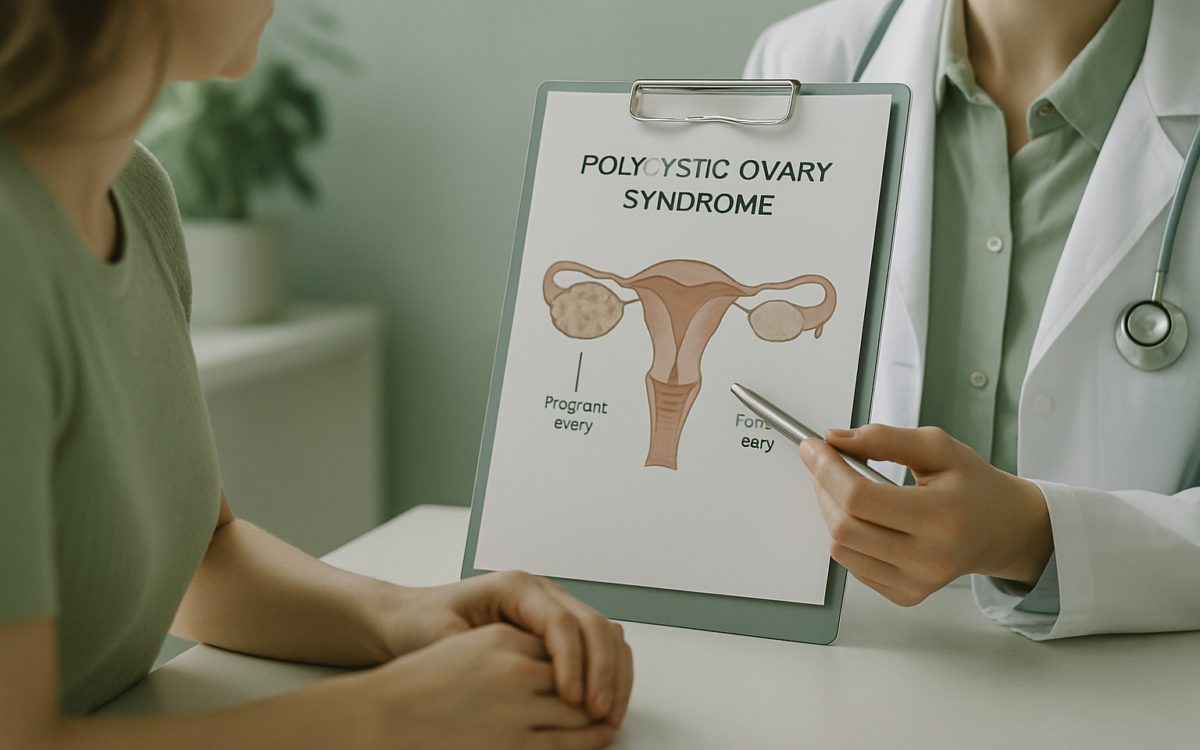
As we approach 2025, the conversation around polycystic ovary syndrome (PCOS) is becoming more vital. This hormonal disorder is considered one of the most prevalent conditions affecting women of reproductive age, and understanding its implications is essential for women’s health.
What is Polycystic Ovary Syndrome?
Polycystic ovary syndrome is a complex hormonal disorder that affects how a woman’s ovaries function. Women with PCOS may experience irregular menstrual cycles, excess androgen levels (which can lead to symptoms like acne and hair growth), and polycystic ovaries (enlarged ovaries containing numerous small cysts). Although the exact cause of PCOS is unknown, genetics and environmental factors seem to play a role.
Why is PCOS So Common?
The rising awareness and diagnosis of PCOS can partly explain its increasing recognition as a widespread condition. Some trends contributing to this phenomenon include:
- Increased Awareness: More healthcare providers are recognizing and diagnosing PCOS, leading to higher reported cases.
- Changing Lifestyle: Factors such as obesity and sedentary lifestyles can exacerbate or trigger symptoms of PCOS.
- Genetics: A family history of PCOS significantly increases the likelihood of developing the condition.
Recognizing the Symptoms
Identifying PCOS early can lead to better management of the symptoms. Common symptoms include:
- Irregular Menstrual Cycles: This includes missed periods or even bleeding between periods.
- Excess Hair Growth: Hirsutism, or unwanted hair growth on the face, chest, or back, often occurs due to elevated androgen levels.
- Acne and Oily Skin: Hormonal imbalances can lead to persistent acne or an oily complexion.
- Weight Gain: Many women with PCOS find it challenging to manage their weight, leading to obesity.
- Infertility: PCOS is one of the most common causes of infertility in women.
Impact on Physical and Mental Health
Beyond the physical symptoms, PCOS can significantly affect mental health as well. Women with PCOS may experience:
- Anxiety and Depression: Reports suggest a higher prevalence of anxiety and depression among those with PCOS compared to the general population.
- Body Image Issues: Symptoms like excessive hair growth and weight gain can lead to low self-esteem.
- Long-term Health Risks: Women with PCOS are at a higher risk for developing conditions such as type 2 diabetes, heart disease, and endometrial cancer.
Coping Strategies
While there is no cure for PCOS, several strategies can help manage the symptoms and improve quality of life:
- Healthy Diet: A balanced diet rich in whole foods can help manage weight and regulate insulin levels. Consider consulting with a dietitian specializing in PCOS.
- Regular Exercise: Engaging in regular physical activity can help manage weight, reduce insulin resistance, and improve overall health.
- Medication: Treatments such as birth control pills can help regulate menstrual cycles and reduce symptoms like acne and hirsutism.
Research and Future Directions
As we move closer to 2025, research on PCOS continues to evolve. Scientists are studying new treatment options and interventions to address the underlying causes of this condition. More understanding of the genetic and environmental factors associated with PCOS will help improve diagnosis and support for those affected. Additionally, public health campaigns aimed at educating women and healthcare providers about PCOS are essential to increasing awareness and encouraging early intervention.
When to See a Doctor
If you experience symptoms such as irregular periods, excessive hair growth, or weight gain that seem unusual, it is essential to consult your healthcare provider. Early diagnosis can lead to more effective management of PCOS and reduce the risk of complications.
Polycystic ovary syndrome is not just a medical issue; it’s a communal concern that can affect women of all ages and backgrounds. Understanding PCOS empowers women to seek the help they need to live healthier, happier lives. As awareness and research grow, we can hope for more effective solutions tailored to the needs of women with PCOS.
