
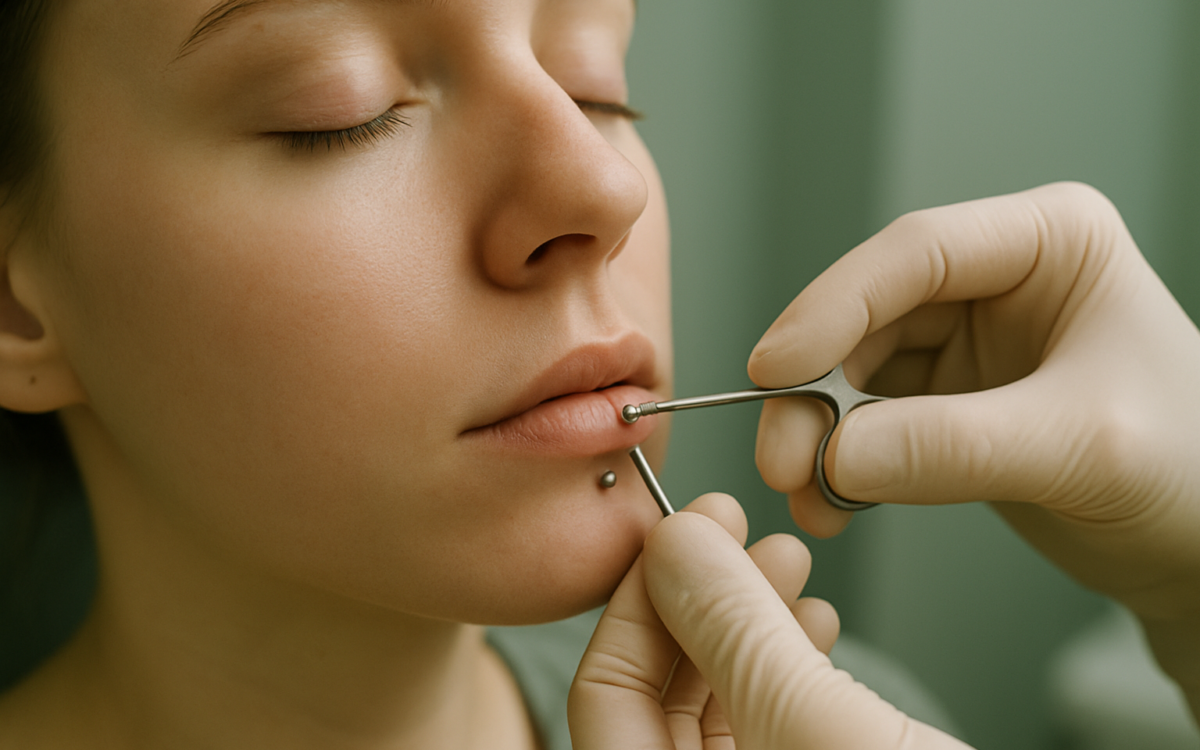
Labret piercings have gained popularity as a stylish way to express individuality. Placed in the center of the lower lip, these piercings can enhance your look and reflect your personality. However, like any body modification, labret piercings require careful consideration and aftercare to avoid complications and ensure proper healing. In this article, we’ll dive into the details of labret piercings, their types, care tips, and potential risks.
What is a Labret Piercing?
A labret piercing is a type of oral piercing that is typically made through the skin just below the lower lip. The jewelry used in a labret piercing usually consists of a stud with a flat back and a decorative top. Depending on your style, you can choose various materials, such as titanium, surgical steel, or gold. The placement can vary slightly, too—some prefer a centered look, while others might choose to go off-center.
Types of Labret Piercings
Labret piercings can be categorized into several types, each offering a unique aesthetic. Here are some common variations:
- Traditional Labret: The classic labret is positioned directly below the lower lip, creating an appealing center-focused look.
- Off-Center Labret: This style is similar to the traditional labret but is placed slightly to one side for a more asymmetrical appearance.
- Vertical Labret: Instead of a horizontal placement, this piercing goes up vertically through the lip, typically offering a more dramatic look.
- Labret with Lip Plate: Some people opt for a larger body jewel, like a lip plate, which can create a more pronounced aesthetic.
Preparing for Your Labret Piercing
Before getting your labret pierced, it’s important to prepare adequately. Here are some tips:
- Choose a Professional Piercer: Look for a licensed and experienced piercer. A professional will ensure that the procedure is done safely and hygienically.
- Check for Cleanliness: Ensure that the piercing studio follows proper sanitation protocols. This includes using sterilized equipment and single-use needles.
- Discuss Health Conditions: If you have any pre-existing health conditions or concerns, make sure to discuss these with your piercer.
- Consider Allergies: Be aware of any allergies you may have to metals or materials used in jewelry.
Caring for Your Labret Piercing
Proper aftercare is crucial for the healing process and avoiding infections. Here are some guidelines to follow:
- Keep It Clean: Clean the area around your piercing daily with a saline solution or a gentle antibacterial soap. Avoid using harsh soaps or alcohol, as these can irritate the piercing.
- Avoid Touching: Try not to touch your piercing or play with the jewelry. This can introduce bacteria and lead to infections.
- Stay Away from Swimming: Avoid pools, hot tubs, and lakes during the healing process to prevent exposure to bacteria. The CDC recommends avoiding swimming until your piercing is fully healed.
- Be Mindful of Oral Hygiene: If you have a labret piercing, practice good oral hygiene. Rinse your mouth with salt water after meals and consider using an alcohol-free mouthwash.
- Monitor Your Jewelry: Make sure the jewelry rests comfortably in the piercing. If there are signs of irritation, consult your piercer.
Understanding the Healing Process
The healing time for a labret piercing can vary, but it typically takes between 4 to 12 weeks. During this time, you may experience some swelling and tenderness, which is normal. Here’s what to expect:
- Week 1-2: Expect some swelling and tenderness. You might also notice minor bleeding, which should subside.
- Week 3-4: Swelling will likely decrease, and the piercing may start to feel less sensitive. Continue regular cleaning.
- Week 5-12: The piercing should continue to heal, but stay attentive to any sudden changes, as they could indicate infections.
Potential Risks and Complications
As with any piercing, there are potential risks involved. Understanding these can help you make informed decisions:
- Infection: This is one of the most common complications. Signs of infection include redness, swelling, and discharge. If you notice these symptoms, consult a healthcare professional or your piercer.
- Allergic Reactions: Some individuals may develop an allergic reaction to the metal in the jewelry. If you suspect an allergy, discuss it with your doctor.
- Scarring: Improper aftercare can lead to scarring or keloids, which are raised areas where the skin heals.
- Damage to Teeth: Labret piercings, especially those with larger studs, can sometimes rub against your teeth, potentially causing wear over time.
When to See a Doctor
If you notice any unusual symptoms such as persistent pain, extensive swelling, or pus draining from the piercing, it’s essential to consult a doctor. Infections can sometimes require antibiotic treatment or further medical intervention. Additionally, if you experience any allergic reactions, seek medical advice promptly.
Conclusion
A labret piercing can be a beautiful form of self-expression, but it requires responsible aftercare and attention to potential risks. By understanding the types of labret piercings, how to care for them, and when to seek help, you can enhance your experience and enjoy your piercing safely. Always consult a medical professional if you have questions or concerns about your health and well-being.
