
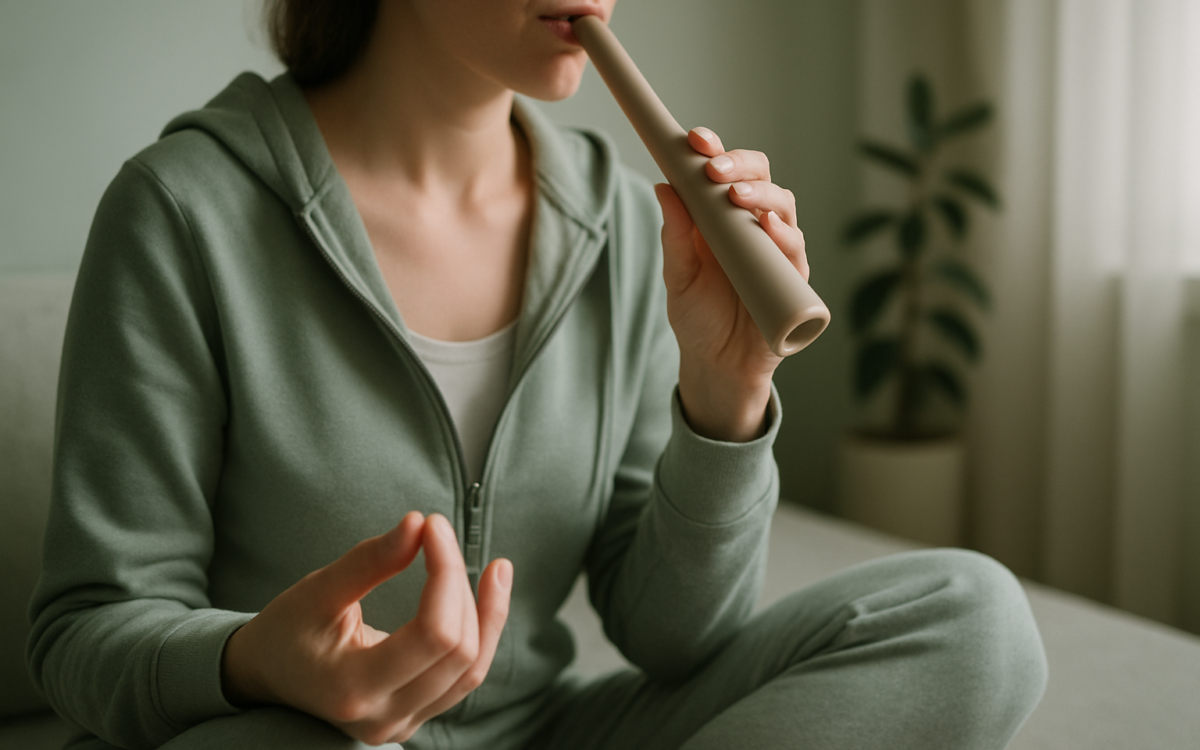
In today’s fast-paced world, stress can feel like an unwelcome companion. From work deadlines to family responsibilities, daily life often brings challenges that can leave us feeling overwhelmed. Fortunately, various stress relief methods can help us regain control and find balance. In this article, we will explore effective techniques you can incorporate into your life for a calmer, more centered existence.
Understanding Stress and Its Impact
Stress is a natural physiological reaction to challenging situations. While a little bit of stress can motivate us to perform better, chronic stress can lead to various health issues, including anxiety, depression, and heart disease. Research from the National Institutes of Health indicates that managing stress is crucial for overall well-being.
Breathing Techniques for Immediate Relief
One of the simplest yet most effective stress relief methods is focused breathing. When we feel stressed, our breathing often becomes shallow and rapid. Here are a few techniques to help regain control:
- Deep Breathing: Inhale deeply through your nose for a count of four, hold for four, and exhale slowly through your mouth for a count of four. Repeat this for several minutes.
- Box Breathing: Inhale for a count of four, hold for four, exhale for four, and pause for four before repeating. This technique can help calm the mind quickly.
- Diaphragmatic Breathing: Place one hand on your chest and the other on your abdomen. As you breathe in, focus on expanding your diaphragm rather than your chest.
Using these techniques can provide immediate relief, helping reduce anxiety and improve focus.
Mindfulness and Meditation
Mindfulness involves paying attention to the present moment without judgment. Incorporating mindfulness practices into your daily routine can significantly reduce stress. Here are some easy ways to start:
- Mindful Meditation: Set aside ten minutes each day to sit quietly, focus on your breath, and observe your thoughts without getting caught up in them.
- Body Scan: Lie down comfortably and mentally scan your body from head to toe, noticing areas of tension and consciously relaxing them.
- Mindful Walking: Take a walk outdoors, paying full attention to the sights, sounds, and sensations around you.
Studies show that regular mindfulness practice can lead to a reduction in anxiety and a greater sense of well-being (National Institutes of Health).
Exercise as a Stress Buster
Physical activity is one of the most effective ways to reduce stress. When you exercise, your body releases endorphins, which are natural mood lifters. Here are some enjoyable activities to consider:
- Walking or Jogging: Simple and accessible, walking or jogging can be a great way to clear your mind and get some fresh air.
- Yoga: This combines physical fitness, breathing techniques, and meditation, making it an excellent choice for stress relief.
- Dancing: Whether you’re in a class or just at home, dancing can lift your spirits and help you let loose.
Finding a type of exercise you enjoy will make it easier to stick with it. Many people find that regular physical activity becomes an essential part of their stress management routine.
Exploring International Treatment Options
For some, seeking new stress relief methods might involve exploring international treatment options. For example, in Turkey, various wellness retreats and treatment centers offer holistic approaches to mental health and stress relief. You can discover effective treatment in Turkey, which may include therapies that blend traditional practices with modern techniques.
Social Connections and Support
Strong social ties are vital for managing stress. Connecting with friends or family can provide comfort and distraction from life’s challenges. Here are ways to strengthen your social support system:
- Join a Group or Class: Participate in local clubs or community classes where you can meet new people while exploring shared interests.
- Reach Out: Don’t hesitate to share your feelings with friends or family members. They may be more than willing to lend an ear.
- Volunteer: Helping others can give you a sense of purpose and connection, which can alleviate stress.
Evidence shows that maintaining social connections can improve mental health and reduce feelings of isolation (CDC).
When to See a Doctor
If stress becomes overwhelming and starts to interfere with your daily life, it may be time to consult a healthcare professional. Signs that you might need help include:
- Constant feelings of anxiety or worry
- Difficulty concentrating or making decisions
- Changes in sleep or appetite
- Increased use of alcohol or drugs
A healthcare provider can help you assess your situation and explore treatment options, which may include therapy or medication.
Finally, remember that stress management is a personal journey. Experiment with different techniques to find what resonates best for you. By prioritizing your mental health and adopting effective stress relief methods, you can enhance your overall well-being and enjoy a more peaceful, fulfilling life.
