
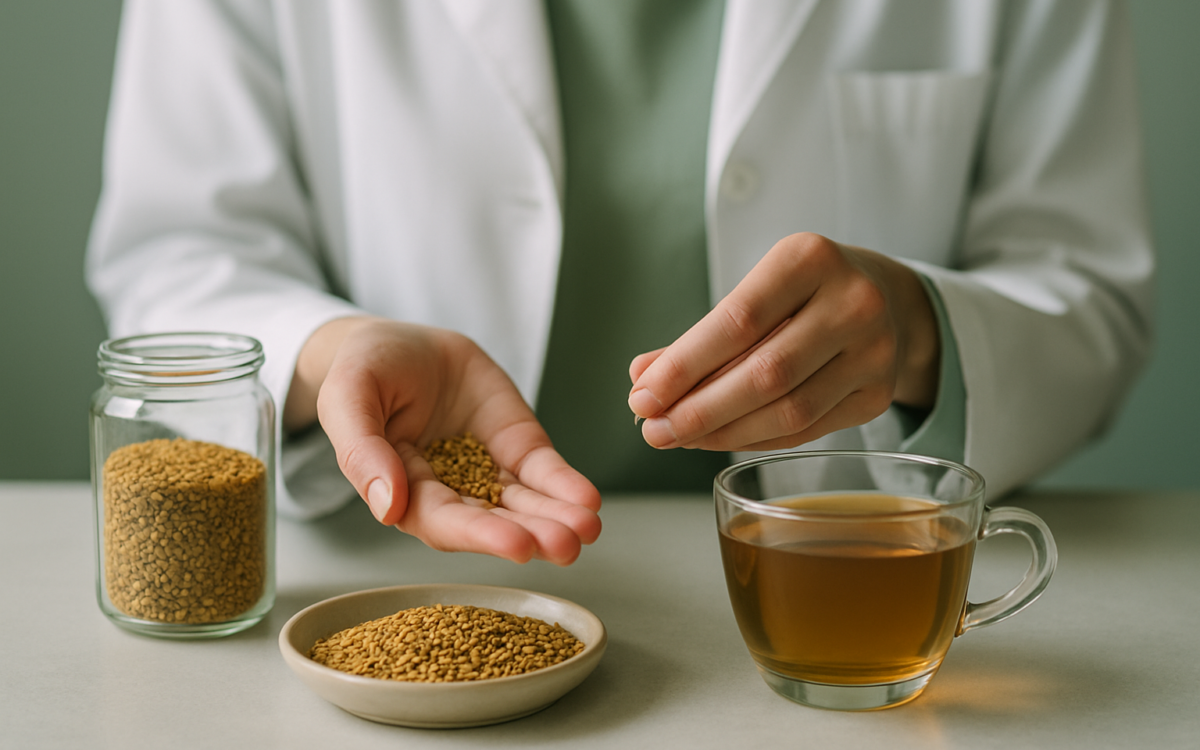
When it comes to herbal remedies, halba, commonly known as fenugreek, is a powerhouse of nutrition and health benefits. Used for centuries in traditional medicine, this golden spice has more to offer than its unique flavor. Research is beginning to shine a light on its many uses, from improving digestion to potentially regulating blood sugar levels. Let’s delve deeper into the remarkable benefits of halba and how it can contribute to your overall wellness.
What is Halba?
Halba (Trigonella foenum-graecum), or fenugreek, is a herb native to South Asia and the Mediterranean region. It has been utilized in cooking and medicinal practices for thousands of years. The seeds are commonly used in cooking, while the leaves can be consumed fresh or dried. Halba is rich in vitamins, minerals, and bioactive compounds, making it a valuable addition to a healthy lifestyle.
1. Aiding Digestion
One of the most celebrated benefits of halba is its ability to support digestion. The seeds are high in soluble fiber, which may help promote healthy bowel movements and reduce constipation. The fiber content can aid in breaking down food in the stomach, making nutrients more accessible to the body.
2. Blood Sugar Control
Several studies suggest that halba may help regulate blood sugar levels, making it a potential ally for those with diabetes or insulin resistance. Research indicates that fenugreek seeds can improve glucose tolerance and decrease insulin resistance by improving the overall function of insulin in the body. This is crucial for maintaining balanced energy levels and preventing spikes in blood sugar.
According to the National Institutes of Health, compounds found in halba may enhance insulin sensitivity, making it an interesting area of study for managing diabetes.
3. Anti-Inflammatory Properties
Halba is known for its anti-inflammatory properties, which may help reduce inflammation in the body. Chronic inflammation is linked to numerous health issues, including heart disease and arthritis. The antioxidants in halba can help combat oxidative stress, thereby supporting overall health.
Research highlights the potential of fenugreek in reducing markers of inflammation and tackling chronic ailments linked to inflammation. The World Health Organization provides insight into how comprehensive management of inflammation is essential for long-term health.
4. Boosting Heart Health
Another significant benefit of halba is its potential to promote heart health. The seeds contain compounds that may lower cholesterol levels, particularly LDL (bad cholesterol), thereby improving cardiovascular health. Fenugreek may also benefit the heart by helping to regulate blood pressure.
Incorporating halba into your diet may not only provide flavor but could also assist in maintaining heart health, a crucial aspect of overall wellness.
5. Hormonal Balance
Halba may play a role in hormonal balance, especially for women. Some studies suggest that fenugreek can help relieve menopausal symptoms and regulate menstrual cycles. The seeds contain phytoestrogens, which can mimic estrogen actions in the body, potentially alleviating symptoms like hot flashes and mood swings.
Always consult with a healthcare professional before using halba specifically for hormonal issues as individual needs and conditions can vary.
6. Skin Health
The benefits of halba extend to skincare as well. The anti-inflammatory and antibacterial properties of fenugreek may assist in treating skin conditions such as acne and eczema. Applying a paste made from halba seeds can soothe irritation and promote healing.
However, always conduct a patch test before incorporating any new herbal remedy into your skincare routine.
Potential Side Effects
While halba is generally safe for most people when consumed in reasonable amounts, excessive intake may lead to gastrointestinal issues such as bloating and gas. It’s crucial to monitor how your body responds to halba and to consult a healthcare provider if you experience any adverse effects.
When to See a Doctor
If you’re considering introducing halba into your diet, especially if you have health concerns such as diabetes or hormonal imbalances, it’s essential to speak with a doctor. They can provide personalized advice based on your medical history and current medications.
Conclusion
Halba, or fenugreek, is not just a flavorful spice; it offers a wealth of potential health benefits. From supporting digestion and managing blood sugar levels to promoting heart health and aiding in skin care, halba deserves a place in your wellness routine. As with any supplement or herb, it’s vital to use halba mindfully and discuss any health concerns with your healthcare provider to reap the most benefit from this ancient herbal remedy.
