
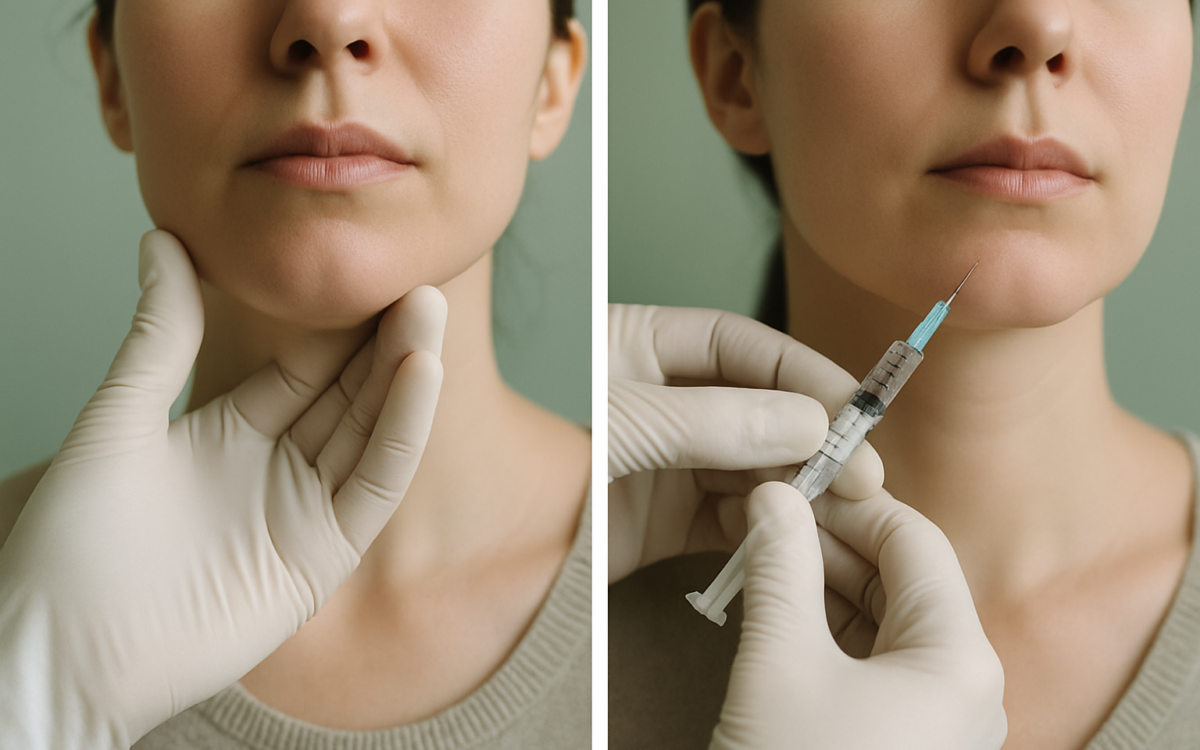
For many people, enhancing their facial features is more than just a desire—it can be a journey toward boosting confidence and self-esteem. One increasingly popular treatment is chin Botox, which aims to smooth out wrinkles and refine the chin’s contours. But what exactly can one expect when considering this treatment? In this article, we’ll delve into the journey of chin Botox, showcasing what changes can occur before and after the procedure.
What Is Chin Botox?
Botox, short for botulinum toxin, is a neurotoxic protein used in cosmetic procedures to temporarily reduce the appearance of wrinkles and fine lines. When injected into specific facial muscles, Botox works by blocking nerve signals, preventing those muscles from contracting. This effect can lead to a smoother and more youthful appearance.
In the case of the chin, Botox can help treat issues such as:
- Wrinkles
- Hyperactivity of the chin muscles, leading to an uneven appearance
- Reducing the prominence of a square jawline
Before: Preparing for Chin Botox
Before considering chin Botox, it’s vital to schedule a consultation with a qualified healthcare provider. During this visit, your doctor will evaluate your facial anatomy and discuss your aesthetic goals.
Here’s a brief overview of what to expect:
- Medical History: Your provider will ask about your medical history, allergies, and previous cosmetic procedures.
- Expectation Management: Discuss what results are realistic for your specific facial structure.
- Pre-Treatment Guidelines: You may be advised to avoid certain medications and supplements that can increase bruising, like aspirin or vitamin E.
Understanding the process ahead of time can prepare you for the upcoming steps—both physically and mentally.
During the Procedure
The actual Botox injection process is relatively quick, usually taking about 10 to 15 minutes. Here’s what typically happens:
- Cleansing: The area around the chin will be cleaned to minimize the risk of infection.
- Marking: Your provider may mark specific areas where injections will be placed for targeted results.
- Injection: Botox will be administered using a fine needle. You might feel a brief pinch, but most people find the discomfort manageable.
- Immediate Care: After the injections, your provider may apply ice to reduce swelling and bruising.
The non-invasive nature of the procedure typically means that patients can return to their daily activities immediately afterward.
Aftercare and Recovery
Post-treatment care is important for achieving the best results with chin Botox. Here are some tips to follow after your injections:
- Avoid Touching: Refrain from touching or massaging the treated area for at least 24 hours. This helps the Botox settle in place properly.
- Stay Upright: It’s advisable to remain upright for several hours after treatment to prevent the Botox from migrating to unintended areas.
- Skip Intense Exercise: Avoid rigorous physical activity for at least 24 hours to minimize potential swelling or bruising.
- Follow Up: Schedule any follow-up appointments as recommended by your healthcare provider.
Most patients begin to see results within a few days, with optimal effects visible within two weeks.
Expected Results: Before and After
The before and after results of chin Botox can be quite transformative. Many patients notice:
- Smoother skin texture in the chin area
- Less visibility of wrinkles
- A more defined chin contour, creating a balanced profile
- Increased overall facial harmony
However, results can vary based on individual anatomy and treatment goals. Some may need additional sessions or touch-ups to achieve the desired effect.
Possible Side Effects and Risks
As with any cosmetic treatment, chin Botox does carry some risks. Common side effects include:
- Bruising at the injection site
- Swelling or redness
- Headaches
- Temporary weakness in adjacent facial muscles
Severe side effects are rare but can include asymmetry or unwanted drooping of other facial features. It’s crucial to discuss any concerns with your doctor before undergoing the procedure. For more information on Botox safety, you can visit the Mayo Clinic.
When to See a Doctor
If you experience any severe side effects, such as difficulty swallowing, breathing problems, or muscle weakness, seek medical attention immediately. Additionally, if you’re concerned about your results or experience prolonged swelling, don’t hesitate to contact your provider.
Always remember, it’s best to consult with your healthcare provider about any symptoms or concerns you may have regarding chin Botox.
Conclusion
Chin Botox is a promising option for those looking to enhance their facial aesthetics. With the potential to smooth wrinkles and define the chin’s appearance, it can be a worthwhile avenue to explore. However, understanding the entirety of the process—from the expectations leading up to the procedure to the aftercare—is crucial for achieving the best possible results. As with any cosmetic treatment, thorough research and open communication with a medical professional are key to your satisfaction.
