
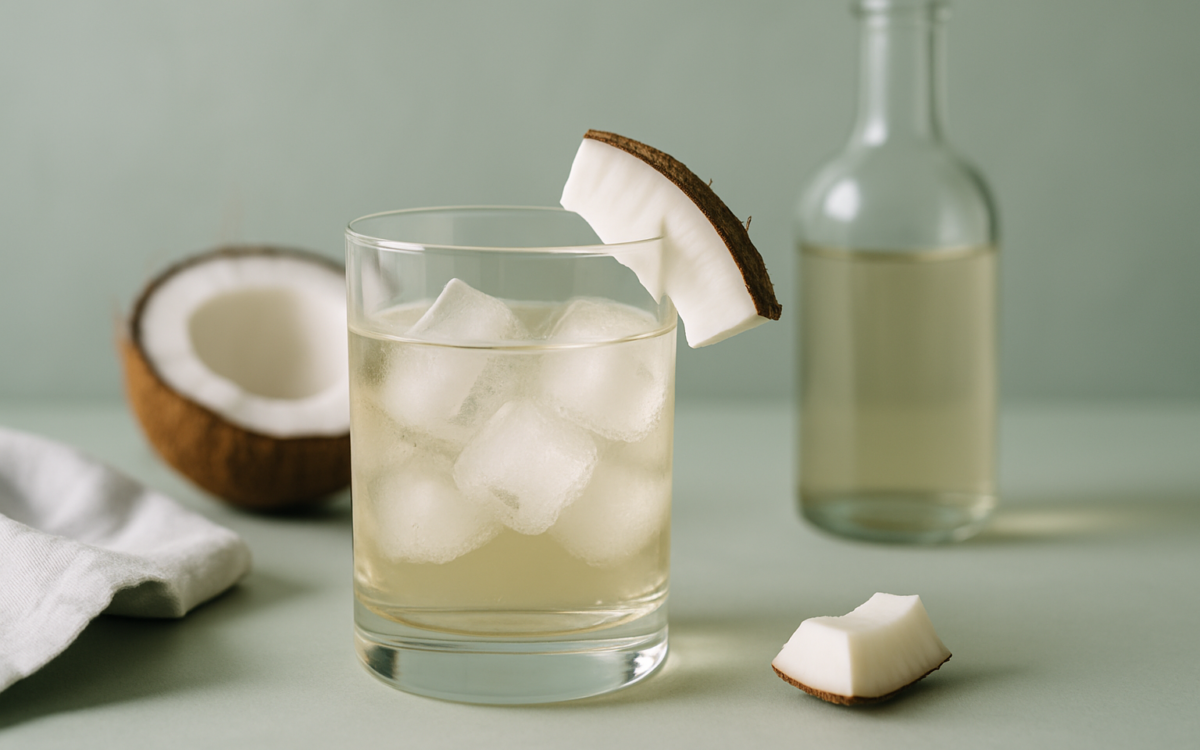
Coconut rum has become a beloved spirit in tropical locations and warm-weather get-togethers. This delightful drink, with its sweet and nutty flavors, evokes images of sandy beaches and swaying palm trees. But what is coconut rum, where does it come from, and what should you know about its health effects? Let’s dive into the world of this intoxicating beverage.
What Is Coconut Rum?
Coconut rum is a type of rum that is infused with coconut flavor. It can be made in a couple of different ways: by aging rum in barrels that previously held coconut, or by infusing coconut flavor. While traditional rum is usually made from sugarcane, coconut rum is designed to bring a taste of the tropics to your glass, making it a popular choice for cocktails and mixed drinks.
The Origins of Coconut Rum
The history of coconut rum is tied to the larger story of rum itself. Rum originated in the Caribbean, likely in the 17th century, where sugarcane plantations thrived. As rum evolved, local cultures began to add various flavors to enhance the drink, including fruits and spices. Coconut, readily available in tropical regions, became an obvious addition.
While coconut rum is now produced worldwide, it remains deeply associated with the Caribbean. Brands like Malibu, which debuted in the 1980s, have popularized coconut rum, making it well-known for its use in party cocktails.
Tasting and Pairing Coconut Rum
For those new to coconut rum, its flavor is sweet with a distinct coconut taste, often likened to a tropical dessert. It can be enjoyed neat, on the rocks, or as part of a cocktail. Some popular mixers include:
- Pineapple juice
- Cranberry juice
- Fruit smoothies
- Cola
One classic cocktail is the Piña Colada, which blends coconut rum with pineapple juice and cream of coconut, creating a creamy, refreshing drink perfect for hot days.
Health Considerations of Coconut Rum
Like all alcoholic beverages, coconut rum should be consumed in moderation. While it may contain some antioxidants and other beneficial compounds from coconuts, the health risks associated with excessive alcohol consumption are important to recognize.
Coconut rum typically has a sugary taste due to added flavors and sugar, which can lead to higher calorie counts. For instance, a standard shot (1.5 oz) can have about 100 calories or more. Overconsumption of calories from sugary beverages can contribute to weight gain and other health issues, such as type 2 diabetes and heart conditions. According to the CDC, excessive drinking can also lead to significant health problems, including liver disease and addiction.
Debunking Myths About Coconut Rum
As coconut rum grows in popularity, several misconceptions have emerged. Here are a few:
1. Coconut Rum Is Healthy Because of Coconut
While coconuts provide healthy fats and nutrients, the rum itself may not retain these benefits in significant amounts. Coconut rum should not be seen as a health food.
2. All Coconut Rums Are Created Equal
There is a wide variety of coconut rums, each with different ingredients and production methods. Some may have higher sugar content, which could influence taste and calorie count.
3. Drinking Coconut Rum Will Hydrate You
Alcohol is a diuretic, leading to increased urination and potential dehydration. Always drink water alongside alcoholic beverages.
When to See a Doctor
If you experience any adverse effects related to alcohol consumption, such as frequent headaches, digestive problems, or changes in mood, consider seeking medical advice. Additionally, if you are concerned about your drinking habits or if you or someone you know may be experiencing alcohol dependence, consult a healthcare provider.
Conclusion
Coconut rum is more than just a delicious tropical beverage; it has a rich history and a unique role in cocktails. It’s essential to enjoy it mindfully, considering both the flavor and the health implications. Whether you’re sipping it on a beach or at a backyard barbecue, remember to keep moderation in mind for a celebratory and health-conscious experience.
