
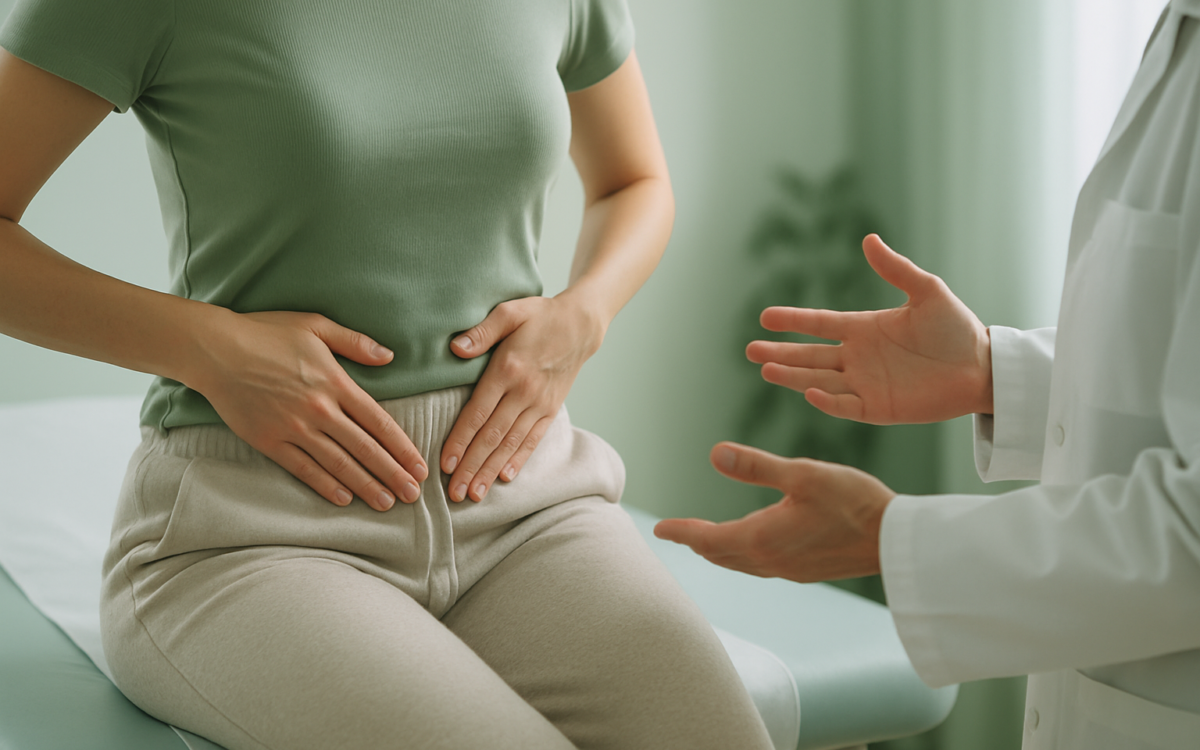
The journey to understanding our bodies often leads us to the lesser-known aspects of health. Among these is the concept of reverse Kegels, an exercise that encourages the relaxation of pelvic floor muscles. While Kegel exercises are widely recognized for strengthening these muscles, reverse Kegels provide a unique approach to promoting pelvic health and well-being. In this article, we will delve into reverse Kegels, discussing their benefits, techniques, and when to seek professional guidance.
What are reverse Kegels?
Reverse Kegels are exercises designed to relax and stretch the pelvic floor muscles. While traditional Kegels involve tightening these muscles to enhance strength, the reverse Kegel focuses on their relaxation, which is equally important. Symptoms of pelvic floor dysfunction can include pain, urinary incontinence, and discomfort during intercourse—all of which may benefit from reverse Kegels. According to the National Institutes of Health, a balanced approach to pelvic floor health includes both strengthening and relaxation exercises.
Why are they important?
The pelvic floor supports vital organs and plays a crucial role in functions like bladder and bowel control. A strong yet flexible pelvic floor can enhance core stability, improve sexual health, and contribute to overall wellness. Many people overlook the need for relaxation in these muscles, which can lead to tension, discomfort, or even pelvic pain. Incorporating reverse Kegels into your routine may help release this tension, allowing for better function of the pelvic area.
How to perform reverse Kegels
Performing reverse Kegels can be simple and can be done anywhere: at home, in the office, or even while sitting in your car. Here’s how to get started:
- Find a comfortable position: You can perform reverse Kegels while sitting, standing, or lying down. Choose a position that feels best for you.
- Focus on your breath: Take a deep breath in, expanding your belly as you do. Exhale slowly, releasing any tension.
- Identify your pelvic floor muscles: Just as Kegels involve tightening, reverse Kegels focus on relaxing. Imagine that you are gently pushing down toward your anal area and urethra, similar to relieving yourself.
- Hold the position: Maintain the gentle downward pressure for a count of five, then relax completely. Repeat this process 10 times.
Benefits of reverse Kegels
Integrating reverse Kegels into your fitness routine can yield several benefits:
- Pain relief: For those suffering from pelvic pain or tension, reverse Kegels can help alleviate discomfort by promoting relaxation.
- Improved bladder control: Relaxing the pelvic floor can enhance bladder control, potentially reducing instances of urinary incontinence.
- Better sexual health: Relaxed pelvic floor muscles can enhance sexual pleasure and reduce discomfort during intercourse.
- Increased core stability: By promoting balance between contraction and relaxation, reverse Kegels can contribute to greater core stability overall.
Some considerations
As with any exercise, it’s essential to approach reverse Kegels mindfully. Some individuals may initially find it challenging to differentiate between tightening and relaxing their pelvic floor muscles. Here are a few tips:
- Practice mindfulness: Focus on your breathing and body awareness during the exercises.
- Consult a specialist: If you’re uncertain about proper form or the need for pelvic floor exercises, consider consulting a pelvic health physical therapist.
- International perspectives: Healthcare approaches vary across the globe. Facilities like Acibadem International may offer unique insights or treatments involving pelvic health and rehabilitation.
When to see a doctor
If you experience persistent pelvic pain, incontinence, or any other troubling symptoms, it’s crucial to consult a healthcare professional. They can provide a comprehensive examination and guidance tailored to your specific needs. Pelvic floor dysfunction is often multifaceted, and a medical professional can help design an appropriate plan for your health.
Conclusion
Reverse Kegels present an effective way to promote pelvic floor health. By balancing the strength and relaxation of these muscles, individuals can experience a multitude of benefits, from improved bladder control to enhanced sexual well-being. As with any exercise routine, practice with care and seek medical advice when necessary to ensure optimum health and safety.
