
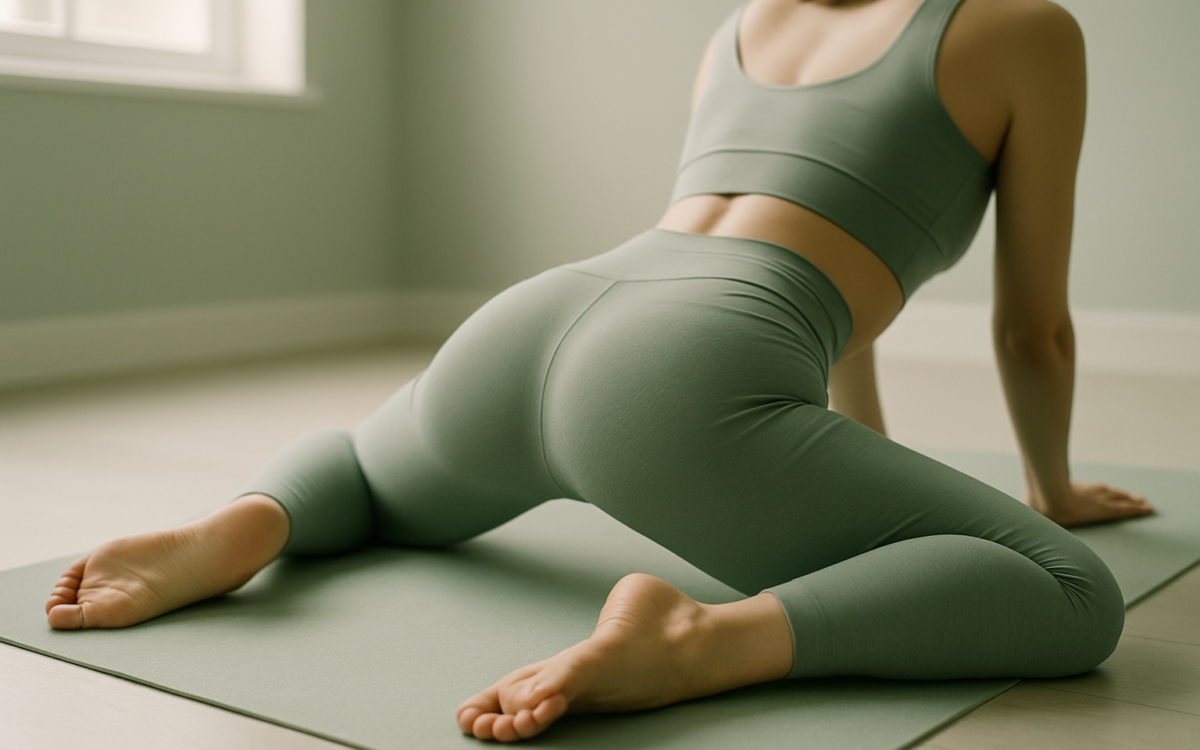
Frog pose, known for its wide-legged stance, might look funny at first glance, but it offers a range of health benefits that can enhance your overall well-being. As you deepen your practice of yoga or simply seek new ways to stretch and relieve stress, incorporating frog pose could be a game-changer. This article explores the advantages of frog pose, step-by-step instructions for mastering it, and tips for safely integrating it into your routine.
What Is Frog Pose?
Frog pose, or Bhekasana in Sanskrit, is a stretching position that targets the groin, hips, and inner thighs. This pose mimics the stance of a frog, making it a playful addition to any yoga session. While it may look simple, it requires flexibility and concentration. Performing frog pose can deepen your connection to your body and help release tension stored in these areas.
The Benefits of Frog Pose
Frog pose comes with a variety of benefits that cater to both physical and mental health:
- Improved Flexibility: This pose stretches the hip muscles and ligaments, thereby enhancing overall flexibility over time.
- Stress Relief: Engaging in deep stretches, like frog pose, can promote relaxation and help manage stress levels.
- Better Posture: By strengthening the muscles around the hips and lower back, frog pose can contribute to improved posture.
- Inner Thigh Strengthening: The pose significantly engages the inner thigh muscles, assisting in building core strength.
- Enhanced Circulation: The stretching action involved in frog pose can improve blood flow in the lower body.
As with other exercises, incorporating frog pose into your routine should be approached with mindfulness to enjoy its full range of benefits.
How to Perform Frog Pose
Ready to try frog pose? Here’s a step-by-step guide to ensure you perform it correctly:
Step-by-Step Instructions
- Begin in a Quadruped Position: Start on your hands and knees on a yoga mat. Ensure your wrists are aligned under your shoulders and your knees under your hips.
- Widen Your Knees: Slowly spread your knees apart, sliding them outwards while keeping your feet in line with your knees. Your feet should be positioned at a 45-degree angle.
- Lower Your Hips: Gradually lower your hips towards the ground. Ensure that your hips are aligned with your knees, and you feel a comfortable stretch in your inner thighs.
- Relax Your Hands: You can either keep your elbows straight with your hands on the mat or lower your forearms if you feel comfortable.
- Hold the Pose: Breathe deeply and hold the pose for 30 seconds to one minute. Focus on the stretch and release any tension you may feel.
To exit the pose, gently bring your knees back together and return to the starting position.
Common Variations and Modifications
If you’re a beginner or want to achieve better alignment, consider these variations:
- Use Yoga Blocks: Placing a yoga block underneath your hips can make the pose more accessible.
- Perform a Gentle Rock: While holding the pose, gently rock your hips side to side for added relief.
- Modify the Foot Position: If necessary, you can keep your feet closer to your body to reduce the intensity of the stretch.
Always listen to your body. Adjustments can make a significant difference in your experience of the pose.
When to Avoid Frog Pose
While frog pose is beneficial for many, there are certain situations where it may not be advisable:
- Knee Issues: If you have knee injuries or pain, it’s crucial to avoid positions that exert strain on the joints.
- Hip Problems: Those with hip dysplasia or severe limitations in hip mobility should approach frog pose with caution.
- Pregnancy: Women in advanced stages of pregnancy should also avoid this pose without consulting their healthcare provider.
If you experience discomfort or pain while performing frog pose, stop immediately and consult a healthcare professional.
When to See a Doctor
If you have pre-existing conditions or begin to experience pain or discomfort in your knees, hips, or lower back while practicing frog pose, it’s essential to consult your doctor. Additionally, if stretching routines lead to prolonged discomfort or mobility issues, discussing alternative forms of exercise with a healthcare provider is advisable. Understanding your body’s limits is key to safe practice.
Conclusion
Frog pose is more than just a fun yoga position. With its myriad benefits—from enhancing flexibility to relieving stress—it can make a valuable addition to various wellness routines. As with any physical activity, it’s important to prioritize safety and listen to your body. Incorporate frog pose mindfully and watch as it contributes to your overall well-being.
