
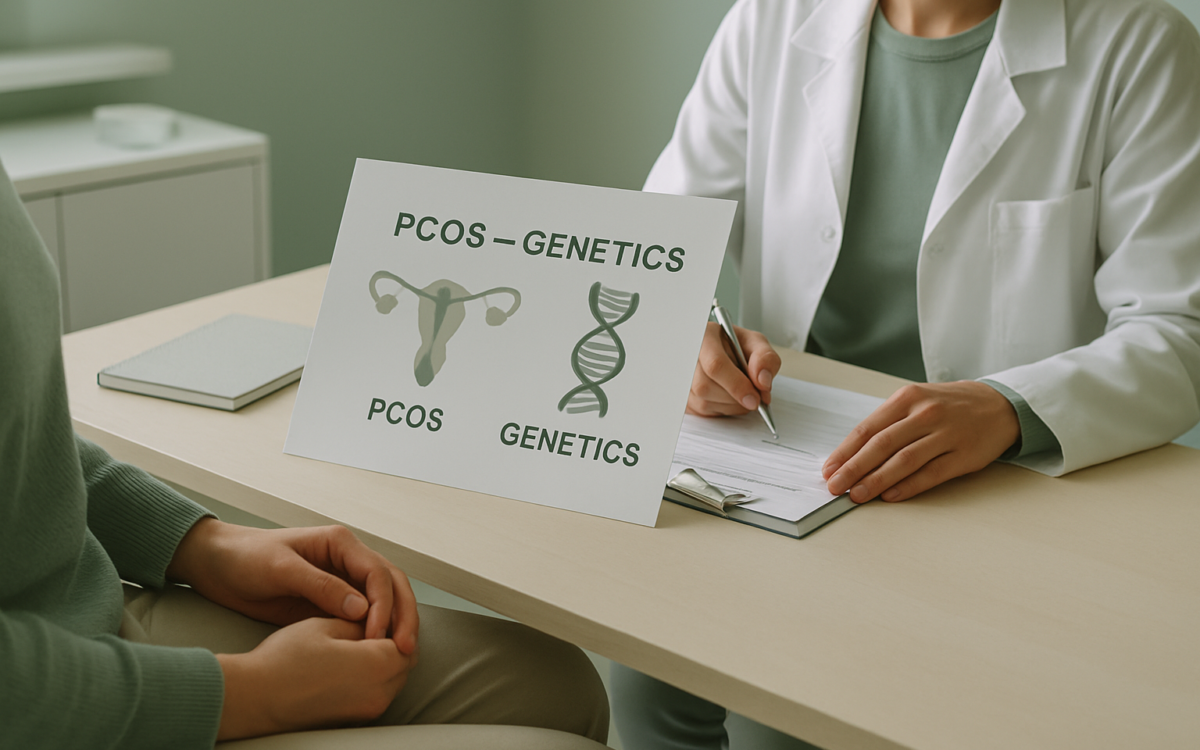
Polycystic ovary syndrome (PCOS) is a common hormonal disorder that affects many women of reproductive age. Characterized by irregular menstrual cycles, excess hair growth, and polycystic ovaries, it can significantly impact a woman’s health and quality of life. But what causes PCOS? One question that often arises is whether this condition runs in families. Let’s explore the genetic connections to PCOS.
Understanding PCOS
To appreciate the genetics of PCOS, it helps to understand what the syndrome is all about. PCOS is often associated with insulin resistance, which may lead to higher insulin levels and weight gain. Women’s ovaries may produce more male hormones, such as testosterone, which can cause symptoms like acne, hair loss, and unwanted hair growth. Additionally, many women with PCOS may have difficulty becoming pregnant due to irregular ovulation.
The Role of Genetics in PCOS
Research has shown that genetics can play a significant role in the development of PCOS. Studies indicate that women with a family history of PCOS are more likely to be diagnosed with the condition themselves. According to a review published by the National Institutes of Health (NIH), the prevalence of PCOS is significantly higher in first-degree relatives of women with the syndrome. This suggests that there may be inherited factors at play in the development of PCOS.
Identifying Genetic Markers
Researchers are actively working to identify specific genetic markers associated with PCOS. A variety of genes have been implicated, including those involved in insulin signaling and hormone regulation. For example, variants of genes such as INSR (insulin receptor) and FTO (fat mass and obesity-associated) have been studied in relation to PCOS risk. While no single gene has been identified as the cause, a combination of genetic factors may increase the likelihood of developing this syndrome.
The Impact of Environment and Lifestyle
Though genetics play a key role in PCOS, environmental factors and lifestyle habits cannot be overlooked. Many women with PCOS experience obesity, which can exacerbate symptoms due to insulin resistance. Stress, diet, and physical activity levels also influence the severity of the condition. Therefore, even among women with a genetic predisposition, maintaining a healthy lifestyle may help in managing symptoms.
Research Findings on Family History
Numerous studies have pointed to strong familial ties in PCOS cases. A study published in the Mayo Clinic Proceedings found that sisters of women with PCOS were significantly more likely to show symptoms compared to the general population. Moreover, a sibling or mother having PCOS raises a woman’s risk. These findings highlight the importance of awareness of family medical history in understanding the potential for developing PCOS.
The Future of PCOS Research
Continued research into the genetic aspects of PCOS is crucial. Understanding the hereditary components not only helps in identifying those at risk but also paves the way for potential treatments. As researchers explore the intersection of genetics, hormone levels, and lifestyle factors, new strategies for managing and possibly even reversing the effects of PCOS may emerge.
When to See a Doctor
If you are experiencing symptoms of PCOS such as irregular periods, weight gain, or excessive hair growth, it may be worth discussing with your healthcare provider. They can help determine if further evaluation or treatment is necessary based on your personal and family medical history.
Understanding whether PCOS has a genetic basis can empower women with knowledge about their health. While genetics do play a role in this intricate condition, lifestyle choices and early intervention can significantly impact overall health and well-being.
