
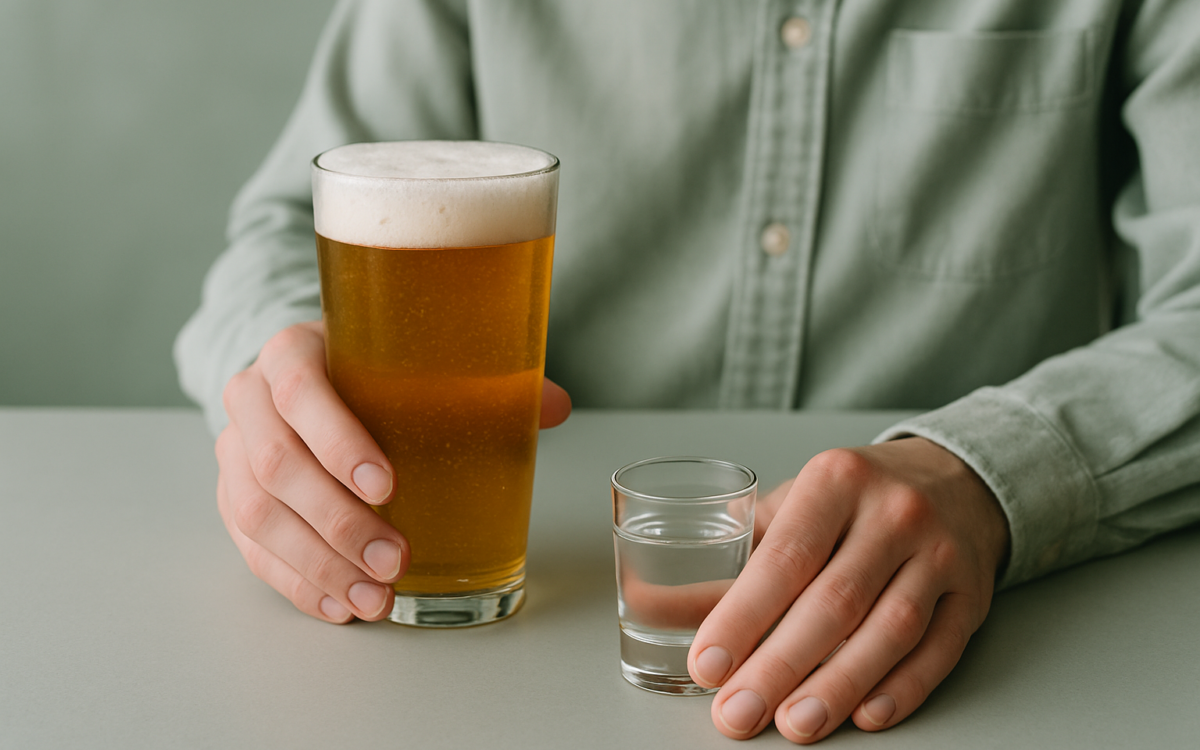
You’ve probably heard the phrase, “beer before spirits, never been sick” or the opposite saying, “spirits before beer, you’re in the clear.” These sayings suggest that the order in which you drink different types of alcohol can influence how you feel at the end of the night. But is there any truth behind this idea? Let’s take a closer look at what research and experts say about drinking beer before spirits.
The Science of Alcohol Absorption
To understand whether the order of drinking matters, we first need to know how alcohol is processed in the body. When you consume alcohol, it’s absorbed into your bloodstream through the stomach and small intestine. Factors such as your body weight, sex, food intake, and individual metabolism can all affect how quickly alcohol enters your system.
Does Order Matter? The Evidence
Research on whether drinking beer before spirits affects how people feel is somewhat limited and often inconclusive. However, recent studies have shown that the combination of different types of alcohol can lead to increased alcohol consumption overall. In fact, a study published in the journal Alcohol and Alcoholism found that people who mixed different types of alcohol tended to drink more than those who did not. This could increase the likelihood of becoming ill or experiencing hangover symptoms.
Another key insight is that the carbon dioxide (CO2) present in beer can speed up the absorption of alcohol into the bloodstream. The bubbles in beer may lead to a faster intoxication rate if you drink beer initially. Thus, if you start with beer and switch to harder spirits, the alcohol may hit you harder and faster than if you had been drinking spirits from the start.
Alcohol Tolerance and Individual Differences
Everyone’s body reacts to alcohol differently based on several factors, including genetics, tolerance, and even overall health. Some people may feel the effects of alcohol more swiftly than others due to their metabolism or other factors.
Those with a higher alcohol tolerance might not notice significant differences from the order of alcoholic beverages as much as others. However, novice drinkers or those who might not have as high a tolerance may find the order makes a noticeable difference in how quickly they feel the effects.
International Considerations
For those considering traveling or living abroad, understanding cultural drinking norms can be just as important as knowing how your body reacts to alcohol. In some cultures, there are traditional practices around drinking that could influence your experience. For instance, the serving sizes, types of beverages consumed, and timing of drinking can vary greatly from one place to another.
If you’re planning to travel internationally, consider reaching out to international patient services for guidance on health-related inquiries, including alcohol consumption norms in your destination country.
Practical Tips for Responsible Drinking
- Know Your Limits: Everyone has a different tolerance for alcohol. Be aware of your limits and stick to them.
- Stay Hydrated: Drink water between alcoholic beverages to slow down your alcohol consumption and remain hydrated.
- Avoid Mixing: If you’re unsure how you might feel, it’s safer to stick to one type of alcohol for the evening.
- Eat Before Drinking: Having a meal can slow the absorption of alcohol, making it easier to manage how you feel.
When to See a Doctor
If you frequently find yourself feeling ill after drinking or experience severe hangovers, it may be time to talk to your healthcare provider. Additionally, if you notice a pattern of binge drinking or alcohol dependence, it’s essential to seek professional help.
Conclusion
The saying about drinking in a specific order is more myth than a hard and fast rule. While the science points to the effect of carbonation and individual tolerance, the most crucial thing is to drink responsibly and be aware of how alcohol affects you personally. Understanding your body and making informed choices can lead to more enjoyable and safer drinking experiences.
