
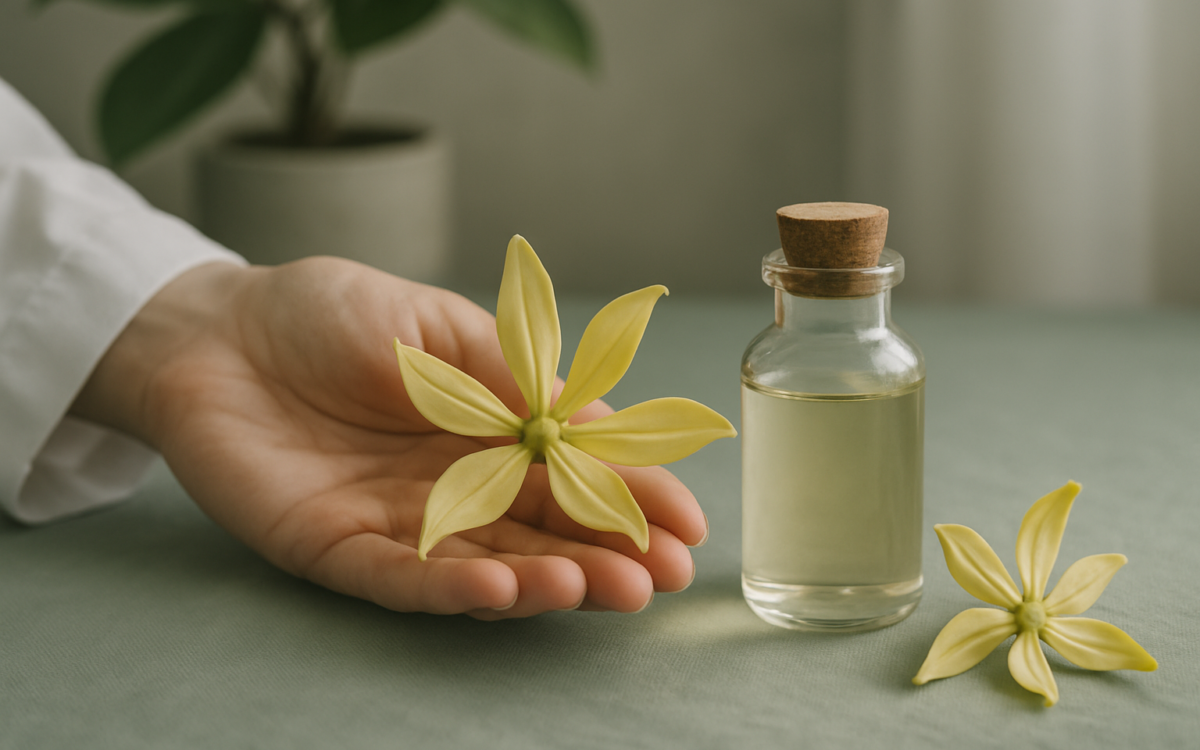
If you’ve ever strolled through a tropical garden, you might have encountered the enchanting scent of ylang ylang. This fragrant flower, native to Southeast Asia, has been cherished not just for its delightful aroma but also for its numerous health benefits. From enhancing mood to improving heart health, ylang ylang is more than just a pretty flower; it’s a powerful ally for wellness.
What is Ylang Ylang?
Ylang ylang (Cananga odorata) is a small, yellow flower that blooms from the cananga tree. Its name translates to “flower of flowers” in Tagalog, reflecting its esteemed status in traditional medicine and perfumery. The essential oil extracted from its petals is rich in compounds that may offer various therapeutic benefits.
The Aromatherapy Benefits of Ylang Ylang
Aromatherapy harnesses the power of scents to promote health and well-being. Ylang ylang essential oil is often used for its ability to uplift the spirit and relieve stress. Research suggests that inhaling its fragrance can lead to a decrease in anxiety and an improvement in mood. In a study found on the NIH website, participants who engaged in aromatherapy with ylang ylang reported feeling more relaxed and less anxious.
Heart Health and Blood Pressure
Ylang ylang has shown promise in supporting heart health. Some studies indicate that the oil may help lower blood pressure due to its calming properties. High blood pressure is a significant risk factor for heart disease, and managing it is crucial for cardiovascular health. According to research published by the Cleveland Clinic, ylang ylang may aid in reducing heart rate and promoting feelings of relaxation.
Ylang Ylang for Skin and Hair
The benefits of ylang ylang extend beyond mood enhancement and heart health; it’s also a popular ingredient in skincare and hair care products. Its antiseptic properties can help maintain healthy skin, and it is often chosen for its ability to help balance oil production. This makes it a great option for people with both oily and dry skin types. Furthermore, ylang ylang can add shine and hydration to hair, making it an ideal addition to conditioners and oils.
Using Ylang Ylang Essential Oil
Incorporating ylang ylang into your routine can be enjoyable and simple. Here are some popular ways to use ylang ylang essential oil:
- Aromatherapy diffuser: Add a few drops of ylang ylang oil to an essential oil diffuser to enjoy its scent throughout your home.
- Massage oil: Dilute ylang ylang with a carrier oil, such as coconut or jojoba oil, and use it for a calming massage.
- Skin care: Mix ylang ylang oil with a moisturizer or face serum to harness its skin-balancing properties.
- Hair treatment: Add ylang ylang oil to your shampoo or conditioner for added shine and nourishment.
Potential Side Effects and Precautions
While ylang ylang is generally considered safe for most people when used appropriately, some may experience side effects. Possible reactions can include skin irritation, headaches, or nausea when inhaled in large amounts. It’s important to perform a patch test on your skin if you’re using it topically for the first time. Pregnant women, children, and those with certain medical conditions should consult their healthcare providers before using ylang ylang oil.
When to See a Doctor
If you experience any severe side effects after using ylang ylang or if you have underlying health conditions that you’re concerned about, it’s important to consult your healthcare provider. Additionally, if you find that stress or anxiety persists despite using ylang ylang or other remedies, seeking medical advice may be beneficial.
In conclusion, ylang ylang is a delightful flower that offers more than just a pleasant fragrance. Its potential benefits for mental health, heart health, and skin care make it a valuable addition to your wellness toolkit. Whether you choose to explore its therapeutic uses in aromatherapy or incorporate it into your beauty routine, ylang ylang can truly enhance your overall well-being—just remember to use it mindfully and consult your healthcare provider if you have any questions or concerns.
