
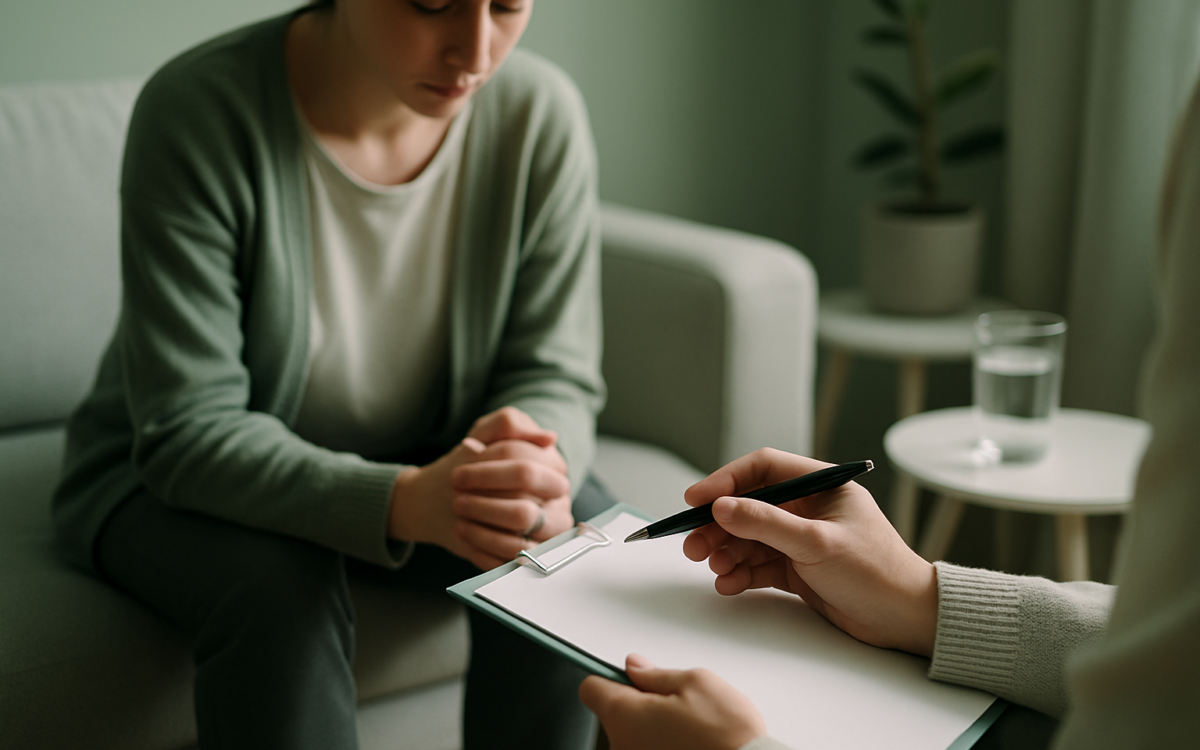
Anxiety can feel overwhelming, but you are not alone in this experience. Many people struggle with anxiety, whether it’s occasional feelings of nervousness or persistent worry that disrupts daily life. The good news is that several practical strategies can help you manage and overcome anxiety effectively. Here, we will explore various techniques, lifestyle changes, and resources that can support your journey toward calmness.
Understanding Anxiety
Anxiety is a natural response to stress and can serve as a protective mechanism. It can alert you to danger and help you prepare for challenging situations. However, when anxiety becomes excessive, chronic, or interferes with your daily activities, it may be classified as an anxiety disorder. Understanding what contributes to your anxiety can be a crucial first step in addressing it. Factors such as genetics, brain chemistry, personality traits, and life experiences can all play a role in how you experience anxiety.
Breathing Techniques to Relax
One of the simplest and most effective ways to combat anxiety is through controlled breathing. Focusing on your breath can help calm your mind and reduce feelings of panic. Here are a few techniques to try:
- Deep Breathing: Inhale deeply through your nose for a count of four, hold the breath for a count of four, then exhale slowly through your mouth for a count of four. Repeat this cycle several times.
- 4-7-8 Breathing: Inhale for a count of four, hold for a count of seven, and exhale for a count of eight. This method can help reduce anxiety sensations.
- Diaphragmatic Breathing: Place one hand on your chest and the other on your stomach. Breathe in deeply, ensuring your stomach rises and not your chest, to engage your diaphragm fully.
Practice these techniques regularly, especially when you start to notice feelings of anxiety creeping in.
Mindfulness and Meditation
Mindfulness involves being present in the moment, paying attention to your thoughts and feelings without judgment. Meditation can enhance mindfulness by providing a structured way to develop this skill. Here are some strategies to incorporate mindfulness into your routine:
- Guided Meditations: Apps or online videos can lead you through meditation sessions, helping you focus your mind and relax your body. Look for ones specifically designed for anxiety relief.
- Body Scan: Lie down comfortably and mentally scan your body for tension or discomfort, acknowledging any pain without judgment, and gently releasing it.
- Mindful Walking: Take a slow walk, focusing on the sensations of your feet touching the ground, the air on your skin, and the sounds around you.
Research indicates that mindfulness practices can significantly reduce anxiety symptoms and cultivate a greater sense of well-being (NIH).
Physical Activity and Exercise
Regular physical activity is vital for managing anxiety. Exercise releases endorphins, which are hormones that improve your mood and reduce stress. Consider these ideas to incorporate more movement into your life:
- Find Activities You Enjoy: Whether it’s dancing, swimming, jogging, or yoga, choose activities that you find fun and engaging.
- Set Small Goals: Aim for at least 30 minutes of moderate exercise most days of the week. Start small if needed, and gradually increase your activity level.
- Incorporate Movement into Your Routine: Take the stairs instead of the elevator, go for a walk during breaks, or join a local sports team.
Even short bursts of activity can help alleviate symptoms of anxiety and boost your mood.
Healthy Lifestyle Choices
Making certain lifestyle adjustments can also help reduce anxiety levels. Here are some important choices to consider:
- Nutrition: Eating a well-balanced diet, rich in fruits, vegetables, whole grains, and lean proteins, can positively affect your mood and overall health.
- Sleep Hygiene: Quality sleep is crucial for managing anxiety. Aim for 7-9 hours of restful sleep each night. Establish a calming bedtime routine to improve sleep quality.
- Limit Stimulants: Reduce intake of caffeine and nicotine, which can increase anxiety levels. Alcohol can also worsen symptoms, so be mindful of your consumption.
Making small adjustments in these areas can lead to significant improvements in your overall mental health.
Seeking Support from Others
Don’t hesitate to reach out for support when dealing with anxiety. Sharing your feelings with trusted friends or family members can help you feel less isolated. Examples of support include:
- Talk to Friends or Family: Share your experiences and feelings with someone you trust. Their support can provide comfort and a fresh perspective.
- Join Support Groups: Look for local or online groups where you can connect with others who are going through similar experiences.
- Professional Help: Consider speaking to a therapist or counselor who can provide you with tailored coping strategies.
Seeking help is a sign of strength and can play an essential role in your healing process.
When to See a Doctor
If your anxiety is persistent, overwhelming, or interfering with your daily life, it’s essential to consult a healthcare professional. Symptoms that indicate the need for professional help include:
- Difficulty managing daily tasks due to anxiety.
- Increased anxiety triggered by specific situations or events.
- Experiencing physical symptoms such as heart palpitations or panic attacks.
A healthcare provider can offer guidance, support, and potential treatment options such as therapy or medication if necessary.
Overcoming anxiety takes time, practice, and a multifaceted approach. By incorporating these techniques and seeking support, you can develop resilience and find peace amidst the chaos. Remember, it’s a journey, and taking the first step toward managing your anxiety is a significant accomplishment.
