
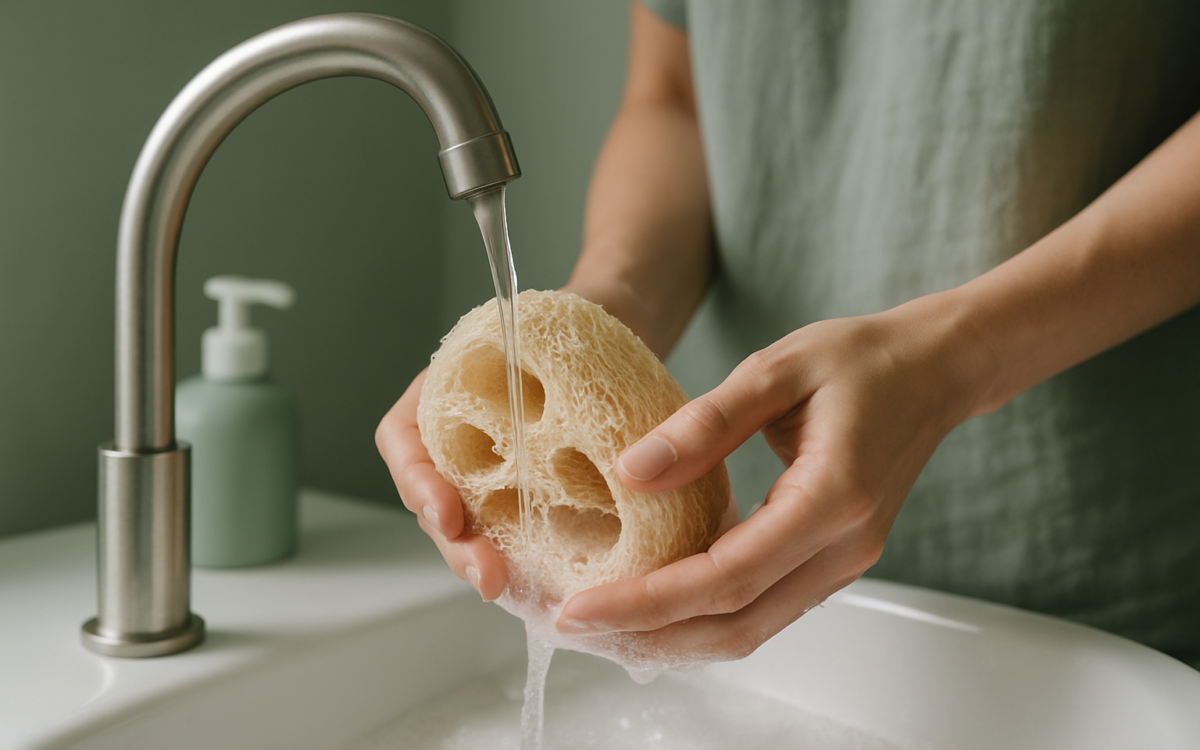
Loofahs are popular shower companions, appreciated for their ability to exfoliate skin and enhance the bathing experience. However, without proper care, they can become breeding grounds for bacteria and mold. If you want to enjoy the benefits of your loofah while maintaining hygiene, it’s essential to understand how to clean it regularly. Here’s a straightforward guide on how to clean a loofah and ensure it lasts longer.
Why Cleaning Your Loofah Matters
Your loofah can accumulate dead skin cells, soap residue, and moisture, making it an ideal environment for the growth of bacteria and mold. According to the Centers for Disease Control and Prevention (CDC), keeping personal care items clean is key to preventing skin infections and maintaining overall health. By neglecting to clean your loofah, you risk transferring harmful germs to your skin during your next shower.
How to Clean a Loofah
Cleaning your loofah doesn’t have to be tedious. Here are some simple methods you can adopt to keep it fresh:
1. Daily Rinse and Dry
- After each use, rinse your loofah thoroughly under hot water to remove any soap and debris.
- Shake off excess water and hang it in a well-ventilated area to dry completely. Air drying will help minimize moisture buildup, which encourages bacteria growth.
2. Weekly Disinfection
- Once a week, disinfect your loofah to keep it clean.
- Mix equal parts of water and white vinegar or hydrogen peroxide in a bowl.
- Soak your loofah in this solution for about 10-15 minutes. Both vinegar and hydrogen peroxide are effective in killing germs and mold.
- Rinse thoroughly with hot water and allow it to air dry.
3. Machine Washing
If your loofah is machine washable (check the label for materials), you can toss it into a mesh laundry bag and wash it on a gentle cycle. Use mild detergent and hot water for the best results. Ensure that your loofah is entirely dry before the next use.
How Often Should You Replace Your Loofah?
Even with regular cleaning, it’s advisable to replace your loofah every 3-4 weeks. Over time, the fibers can wear down, and even with thorough cleaning, it may not be possible to eliminate all the bacteria. The Mayo Clinic recommends disposing of loofahs that appear frayed, discolored, or have an unpleasant odor.
Alternative Options to Loofahs
If you’re concerned about hygiene or environmental impact, consider switching to alternatives that are easier to clean:
- Bath brush: A long-handled brush can reach places a loofah might miss and is generally easier to clean.
- Natural sponges: They tend to dry out quickly and are less prone to mold compared to loofahs.
- Washcloths: Soft and machine washable, washcloths can be easier to disinfect regularly.
Storing Your Loofah Properly
Proper storage is just as important as cleaning. Here are a few tips to keep your loofah in top condition:
- Store your loofah in a dry, well-ventilated area. Avoid enclosed spaces like shower caddies that trap moisture.
- Consider using a hanging organizer to allow air circulation and keep it away from other damp items.
- Ensure your loofah is completely dry before storing it.
When to See a Doctor
If you notice any unusual skin irritation, rashes, or infections after using your loofah, consult your doctor. Symptoms you should watch for include:
- Persistent redness or swelling
- Pus or discharge
- Pain or discomfort in the area
- Fever or systemic symptoms
While not all skin problems stem from using a loofah, it’s wise to seek professional guidance if you have concerns.
Conclusion
Keeping your loofah clean is essential for maintaining skin health and prolonging the life of your shower accessory. By incorporating simple daily and weekly cleaning routines, you can minimize the risks associated with bacteria and mold. Whether you stick with your trusty loofah or explore other alternatives, a little awareness about hygiene can go a long way in your bathing routine.
