
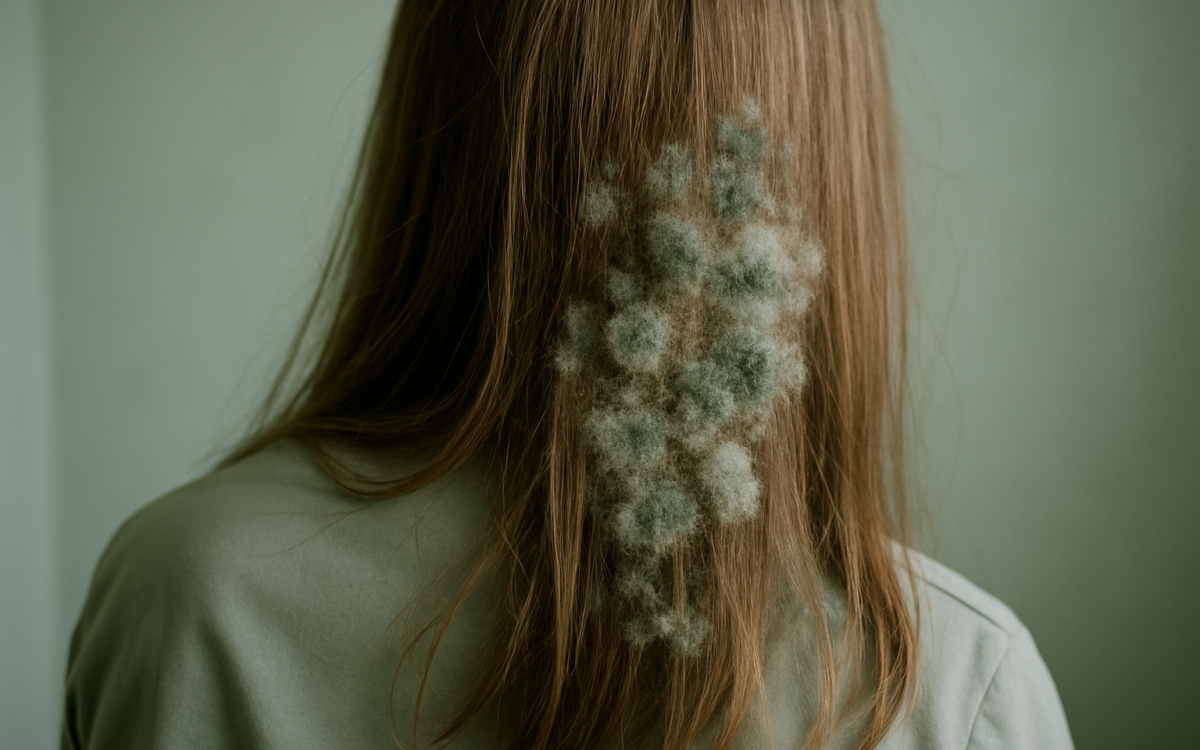
When it comes to maintaining healthy hair, most people think about shampoo, conditioner, and hair products. However, hair mold is an often-overlooked issue that can affect scalp health and overall hair quality. This article will provide insights into what hair mold is, how to recognize it, and ways to prevent it.
What is Hair Mold?
Hair mold refers to the growth of mold on the hair or scalp, which can occur in damp and humid conditions. Mold spores are everywhere, especially in areas with high moisture and poor ventilation. When these spores land on wet hair or a damp scalp, they can begin to multiply, leading to a variety of health concerns.
Causes of Hair Mold
Understanding the causes of hair mold can help you prevent it. Here are some common factors:
- Wet Hair: Leaving hair wet for too long, especially in a confined space, can create the ideal environment for mold growth.
- Damp Environments: Humid climates or living in places with high moisture content can encourage mold to thrive.
- Poor Hygiene: Not washing hair regularly may allow mold spores to establish a foothold on the scalp.
- Using Non-Breathable Hair Products: Heavy oils and creams can trap moisture and create an environment where mold can flourish.
Recognizing the Symptoms
Detecting hair mold early can save you from more significant issues down the line. Common symptoms include:
- Itchy Scalp: Mold can cause irritation and itchiness.
- Hair Breakage: Weakening of the hair structure may lead to more breakage.
- Unpleasant Odor: A musty smell may emanate from your hair, indicating mold presence.
- Changes in Hair Color: Discoloration may occur as a response to mold.
Preventing Hair Mold
Prevention is always better than treatment. Here are several effective ways to minimize your risk of developing hair mold:
- Keep Your Hair Dry: Always dry your hair thoroughly after washing. Use a towel to soak up excess moisture before using heat styling tools.
- Avoid Humidity: When possible, reduce exposure to overly humid environments, especially when you have wet hair.
- Choose Breathable Products: Opt for hair products that don’t leave a film on your hair and allow it to breathe.
- Regular Washing: Regularly cleanse your scalp and hair to remove any trapped moisture and built-up product.
- Use Antifungal Shampoos: If you’re prone to mold issues, consider using antifungal shampoos as a preventative measure.
Treating Hair Mold
If you find yourself dealing with hair mold, it’s essential to tackle the issue promptly. Here are some steps you can take to treat hair mold:
- Wash with Antifungal Cleanser: Look for antifungal shampoos containing ingredients such as ketoconazole or selenium sulfide.
- Use Tea Tree Oil: This natural remedy has antifungal properties. Adding a few drops to your shampoo may help combat mold.
- Consult a Dermatologist: If symptoms persist or worsen, it might be time to consult a specialist for potent medical solutions.
When to See a Doctor
If you experience persistent scalp irritation, severe itching, or noticeable hair loss, it may be time to consult a healthcare professional. A dermatologist can evaluate your condition and recommend appropriate treatments. Additional symptoms like significant patches of hair loss or skin infections should also prompt a visit to a doctor. It’s always better to address underlying issues sooner rather than later.
Conclusion
Hair mold can be an uncomfortable and challenging problem, but understanding how it develops and learning prevention techniques can keep your hair healthy. By being proactive about your hair care routine and paying attention to any concerning symptoms, you can protect yourself against the potential effects of mold on your hair and scalp.
For further reading on skin and hair health, please refer to reputable sources like the Mayo Clinic or the National Institutes of Health (NIH).
