
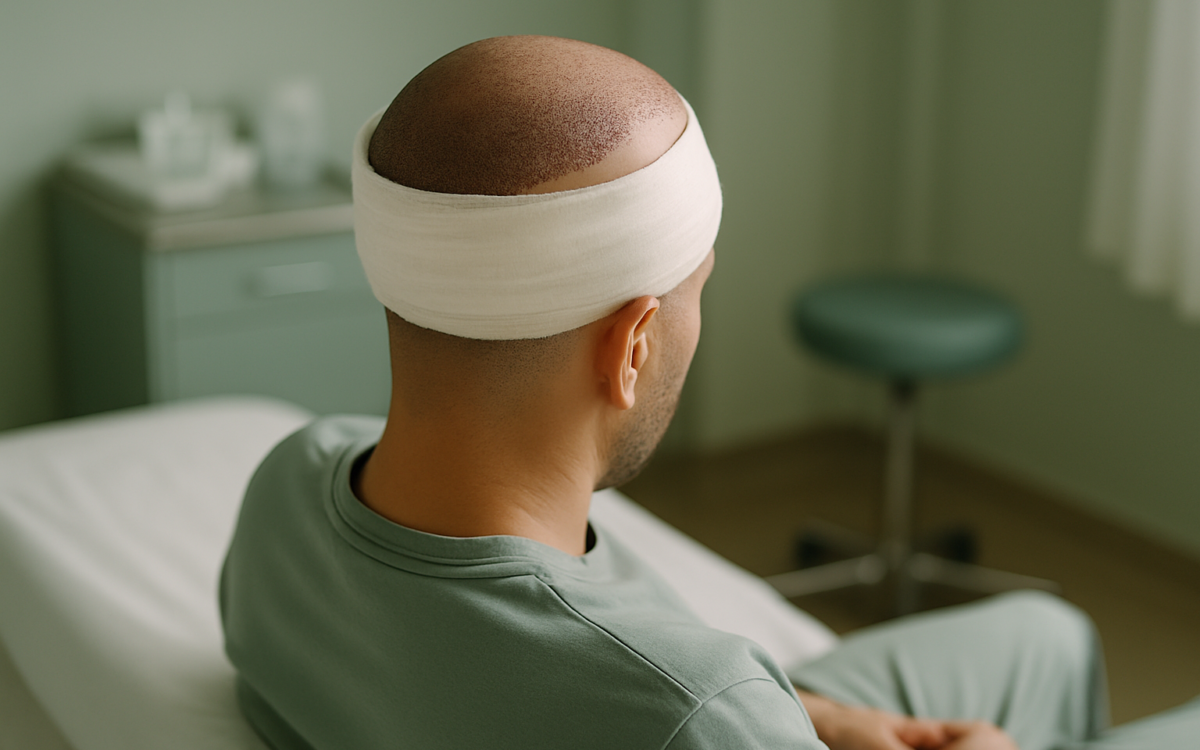
Hair loss can be a distressing experience for many, leading many to consider hair surgery as a viable solution. While the procedure itself often garners a lot of attention, the recovery phase is equally important and requires proper understanding and care. Knowing what to expect during the recovery period can significantly enhance your experience and results.
Understanding Hair Surgery
Hair surgery, commonly referred to as hair transplant surgery, involves transferring hair follicles from one part of the body (usually the back or sides of the head) to the balding or thinning areas. There are two main techniques: Follicular Unit Extraction (FUE) and Follicular Unit Transplantation (FUT). Each method has its pros and cons, and patients should consult with their healthcare provider to decide which is best for their needs.
The Stages of Recovery
Recovery from hair surgery occurs in several phases. Being aware of these stages can ease your concerns and help you manage your expectations.
Days 1-7: The Initial Healing Stage
In the first week following surgery, you may experience discomfort, swelling, and redness around the transplanted area. It’s crucial during this time to:
- Keep your head elevated to reduce swelling.
- Avoid strenuous activities that could increase blood flow to the scalp.
- Follow your surgeon’s instructions for cleaning and caring for the newly transplanted hair follicles.
During this stage, it’s normal for some of the transplanted hair to shed. This is known as “shock loss” and is part of the normal healing process.
Days 8-14: The Growth Phase Begins
As the second week progresses, you should notice a decrease in swelling and discomfort. Your surgeon may allow you to resume light activities, but caution is still advised. You may begin to see tiny scabs forming around the transplanted hairs. These scabs will eventually fall off as your scalp heals. It’s essential to avoid scratching or picking at them, as this could damage the newly implanted follicles.
Weeks 3-4: Hair Follicle Stability
By the third and fourth weeks, most physical discomfort should subside, and the scabs will begin to fall off. Patients may start to see new hair growth, although the hair may appear thin and fine at first. This is normal. Continue to follow your care instructions, which may include avoiding sun exposure to your scalp. Wearing a hat or using sunscreen on the healing area can help protect it.
Long-Term Recovery: What to Expect
The complete healing and growth of hair can take several months. Most patients will see significant improvements around the six-month mark, with even better results by the end of the first year. During this period, it’s important to remain patient, as hair growth can vary significantly from person to person.
Tips for a Smooth Recovery
To facilitate the healing process, consider the following recovery tips:
- Follow Your Surgeon’s Instructions: Adhering to post-operative care instructions is critical.
- Stay Hydrated and Eat Well: A balanced diet rich in vitamins and minerals can support hair growth.
- Limit Physical Activity: Avoid intense exercise for at least a week or until your doctor clears you.
- Avoid Alcohol and Smoking: Both substances can impede blood circulation and affect healing.
- Consider Gentle Hair Care Products: Use mild shampoos and conditioners until your scalp fully heals.
Emotional Well-Being and Support
Undergoing hair surgery can be an emotionally charged experience. Along with physical healing, taking care of your mental health during recovery is equally essential. Join support groups or connect with others who have had similar experiences. Engaging in relaxing activities, like meditation or light exercise, can also help manage stress during this time.
When to See a Doctor
If you notice any of the following symptoms, it’s crucial to contact your doctor:
- Excessive bleeding from the donor or recipient site
- Severe pain not alleviated by medication
- Signs of infection, such as fever or increased redness
These symptoms could indicate complications that require prompt medical attention.
Conclusion
Understanding the recovery process after hair surgery can help set realistic expectations and improve your experience. Each stage of healing is crucial for achieving desirable results, and patience is key as new hair begins to grow. Remember, maintaining open communication with your healthcare provider and following their instructions will support a smooth recovery journey.
For more information on hair restoration and recovery, consider trusted resources like the National Institutes of Health (NIH) and the Mayo Clinic.
