
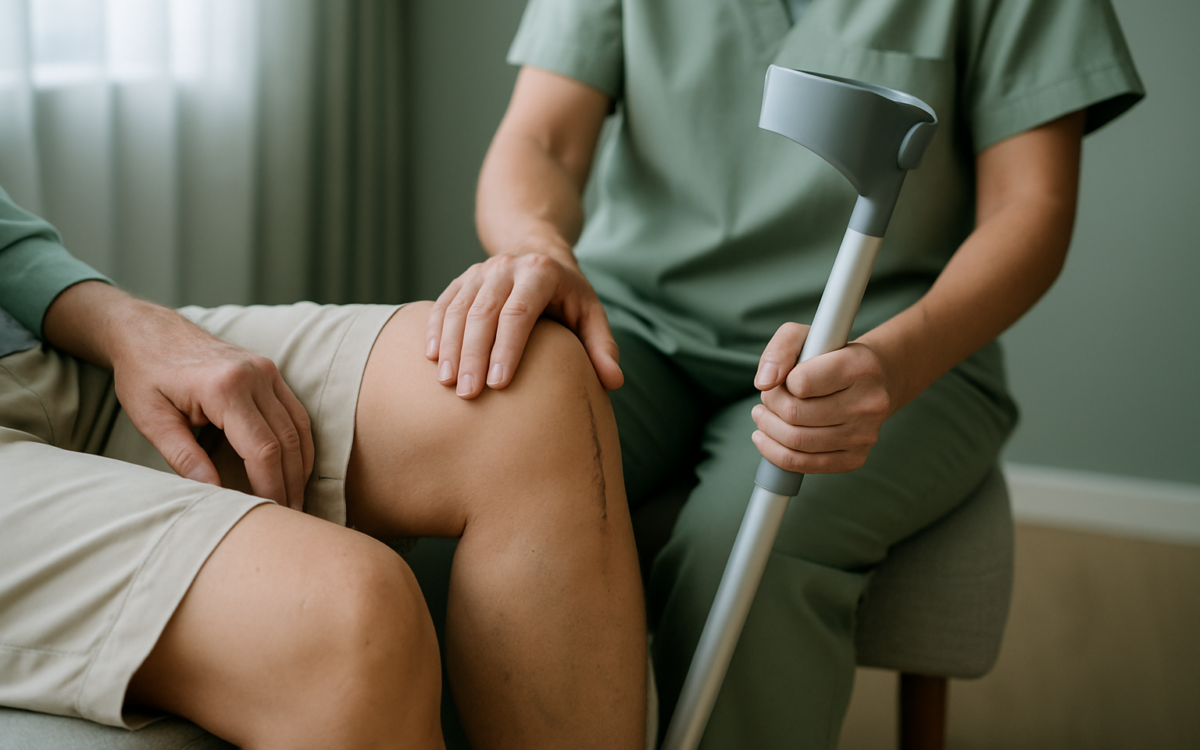
Knee replacement surgery, also known as knee arthroplasty, is a common procedure that can help alleviate pain and restore function for those suffering from severe knee conditions. While many patients look forward to the improved mobility and quality of life that follows the surgery, understanding the recovery timeline can be just as important. Knowing what to expect can help you prepare mentally and physically for the journey ahead.
The First Few Days Post-Surgery
The initial recovery period begins immediately after surgery. Most patients stay in the hospital for one to three days, depending on their overall health and the progress they show in rehabilitation. During these days, medical professionals will monitor your pain levels and help you manage any discomfort with medications.
In addition to pain management, physical therapists usually begin working with patients within a day of surgery. Early mobilization is crucial for improving circulation and preventing complications. This might include gentle exercises and getting out of bed with assistance.
Weeks One to Three: Early Rehabilitation
Once you’re home, the first three weeks are critical for recovery. Here’s what to expect during this period:
- Swelling and Bruising: It’s normal to experience swelling and bruising around the knee. Applying ice and elevating your leg can help reduce these symptoms.
- Physical Therapy: Continuing physical therapy is vital. Your therapist will guide you through exercises to restore range of motion and strength. You’ll typically start with gentle movements, gradually progressing to more intensive exercises.
- Pain Management: Many patients will still require pain medication to manage discomfort. Follow your healthcare provider’s recommendations to find the best solutions for you.
- Mobility Aids: You may still rely on crutches or a walker during the first few weeks as your strength builds.
During this time, keep in touch with your healthcare team, and don’t hesitate to ask them any questions you might have regarding your recovery.
Weeks Four to Six: Gaining Independence
By the time you reach four to six weeks post-surgery, many patients start feeling more independent. The following changes usually occur:
- Reduced Pain: Pain levels often decrease significantly as healing progresses, allowing for a better quality of life.
- Increased Mobility: Most individuals can walk without assistance and are encouraged to engage in regular, low-impact activities.
- Enhanced Strength: You’ll continue working on strengthening exercises as guided by your physical therapist.
However, everyone’s recovery involves unique challenges, so it’s important to stay in tune with your body and progress at a comfortable pace.
Weeks Six to Twelve: Resuming Daily Activities
As you enter the six to twelve-week post-surgery phase, you’re likely to notice significant improvements:
- Return to Normal Activities: Many patients are able to resume non-strenuous activities such as light gardening, walking, or driving, depending on their comfort level and doctor’s advice.
- Therapy Adjustment: Physical therapists will ramp up exercises to focus on building strength and stamina, which may include more challenging movements.
- Long-Term Management: This phase is also key for laying the groundwork for long-term knee health. This might include discussions about ongoing exercise routines or lifestyle adjustments.
Be patient with yourself; this transition might take longer for some than others.
Three Months and Beyond: Looking Ahead
After three months, a majority of patients continue to see improvements, but complete recovery can take up to a year. The following points are important to keep in mind:
- Continued Healing: It’s essential to remember that the knee will continue to heal and strengthen beyond the three-month mark. Both physically and functionally, improvements can be ongoing.
- Activities to Avoid: High-impact activities should still be avoided for several months to allow the joint to heal fully.
- Check-Ups: Regular follow-ups with your healthcare provider are important to monitor healing and address any concerns.
The key to a successful recovery is to remain committed to your rehabilitation exercises while also allowing yourself enough time to heal.
Individual Factors Affecting Recovery
The timeline for knee replacement recovery can vary significantly between individuals. Some factors that may influence your recovery speed include:
- Age: Younger patients often recover more quickly than older adults.
- Overall Health: Pre-existing medical conditions such as diabetes or heart disease can affect healing times.
- Pre-Surgery Activity Level: Individuals who were active before surgery may have an easier and quicker recovery.
- Adherence to Rehabilitation: Following through on physical therapy and at-home exercises will significantly influence your recovery journey.
Understanding your unique circumstances can help set realistic expectations.
When to See a Doctor
While some discomfort is normal after knee replacement surgery, certain symptoms warrant a call to your healthcare provider. Reach out if you experience:
- Severe pain that worsens over time
- Signs of infection, like fever or increasing redness and swelling
- Swelling that does not improve with rest and elevation
- Any unusual discharge from the surgical site
- Persistent numbness or tingling
Your healthcare team is your best resource for addressing concerns throughout your recovery journey.
In conclusion, knee replacement surgery offers a pathway to a more active and pain-free life. Understanding the recovery timeline is essential in setting realistic expectations and preparing for each stage adequately. With patience, commitment to rehabilitation, and support from healthcare professionals, you can pave the way for a successful recovery and a brighter future.
