
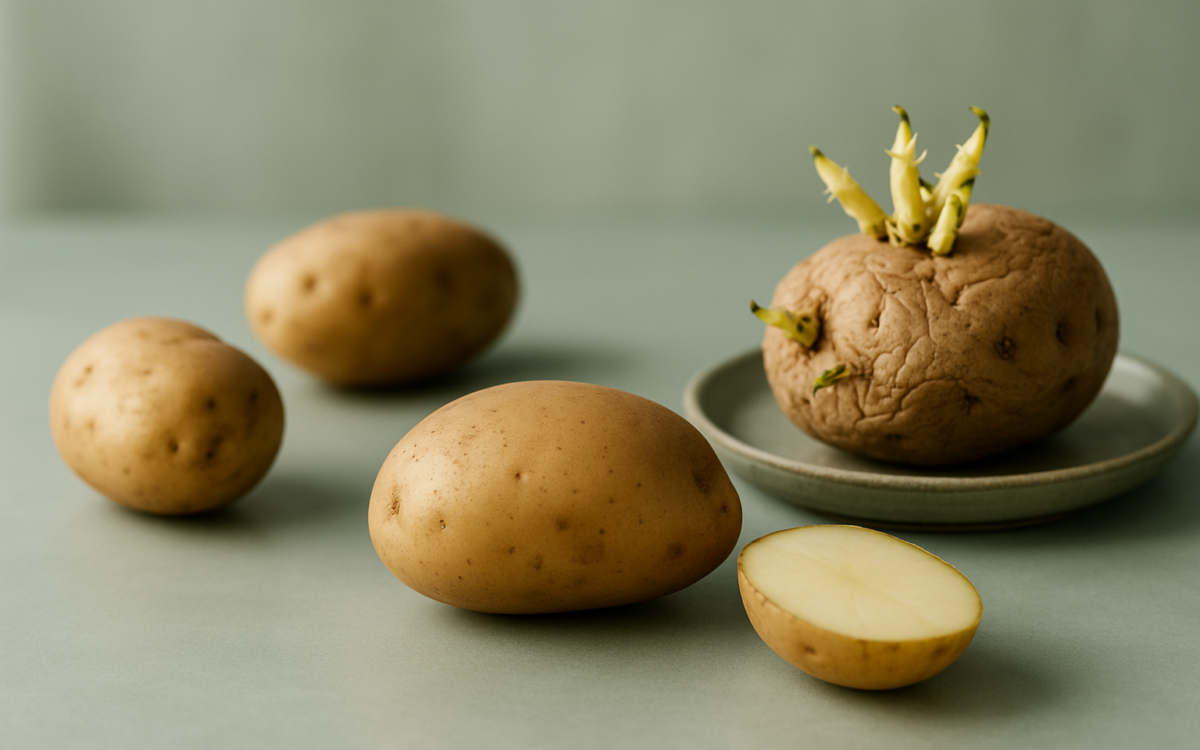
Potatoes are a staple in many households, known for their versatility and nutritious benefits. From fluffy baked potatoes to crispy fries, these tubers can satisfy almost any craving. However, knowing how to store them properly and how long they remain good can significantly affect your meals and your health.
Understanding potato freshness
Before diving into the specifics of how long potatoes last, it’s essential to understand what affects their freshness. Potatoes can last varying amounts of time depending on their type, how they are stored, and their overall quality when purchased.
Potato shelf life: how long do different types last?
In general, the lifespan of potatoes can be categorized into two main groups: raw and cooked potatoes.
Raw potatoes
- White and red potatoes: These varieties usually last about 2 to 3 weeks when stored in a cool, dark place.
- Sweet potatoes: Sweet potatoes tend to last a bit longer, about 3 to 5 weeks, when properly stored.
- Baby potatoes: Smaller potatoes typically have a shorter shelf life and should be consumed within 1 to 2 weeks.
It’s crucial to check for signs of spoilage, such as sprouting or soft spots. If you notice these indicators, it’s best to discard them.
Cooked potatoes
- If stored in the refrigerator, cooked potatoes can last about 3 to 5 days.
- Freezing cooked potatoes can extend their life up to a month; however, the texture may change once thawed.
Optimal storage conditions
To extend the shelf life of your potatoes, proper storage is vital. Here are some tips:
- Keep them cool: Potatoes thrive in cool environments. The ideal temperature is around 45°F to 50°F (7°C to 10°C).
- Avoid sunlight: Keep potatoes away from light, as exposure can cause them to sprout and develop a greenish-tint, which may indicate the presence of solanine, a toxic compound.
- Store in a breathable container: Paper bags, burlap sacks, or cardboard boxes are excellent for allowing air circulation. Avoid storing them in plastic bags, as this can trap moisture and lead to mold.
Signs that potatoes have gone bad
Even when stored correctly, potatoes can eventually spoil. Here are signs to look for:
- Sprouting: While sprouted potatoes are not necessarily harmful, the sprouts themselves can be toxic. Cut off any shoots before cooking.
- Soft or wrinkled appearance: A change in texture often indicates spoilage. Potatoes should be firm to the touch.
- Off smells: A sour or rotting smell is a clear indicator that the potato is no longer good to eat.
Cooking potatoes safely
When it comes to cooking potatoes, make sure to wash them thoroughly before preparing them. This helps remove any dirt or potential pesticides.
Cooking methods can also influence safety. Here are some tips on how to prepare potatoes:
- Boiling: Boil potatoes in water until they are soft. Using a pinch of salt can enhance flavor.
- Baking: Baked potatoes should be cooked at 375°F (190°C) for approximately 45 minutes or until tender.
- Frying: Ensure your oil is hot enough to achieve a crispy texture while preventing the formation of acrylamide, a potentially harmful compound that can form during high-temperature cooking.
When to see a doctor
If you experience symptoms such as nausea, vomiting, or gastrointestinal discomfort after consuming potatoes, especially those that appeared to be spoiled or improperly cooked, consider consulting a healthcare professional. It’s always best to err on the side of caution when it comes to food safety.
Conclusion
In summary, understanding how long potatoes are good for and how to store them properly can help minimize waste and ensure you are consuming safe, delicious meals. Remember to always check for signs of spoilage and consult health resources if you have questions about safe food practices. For more information, consider looking at resources from the CDC or Mayo Clinic on food safety.
