
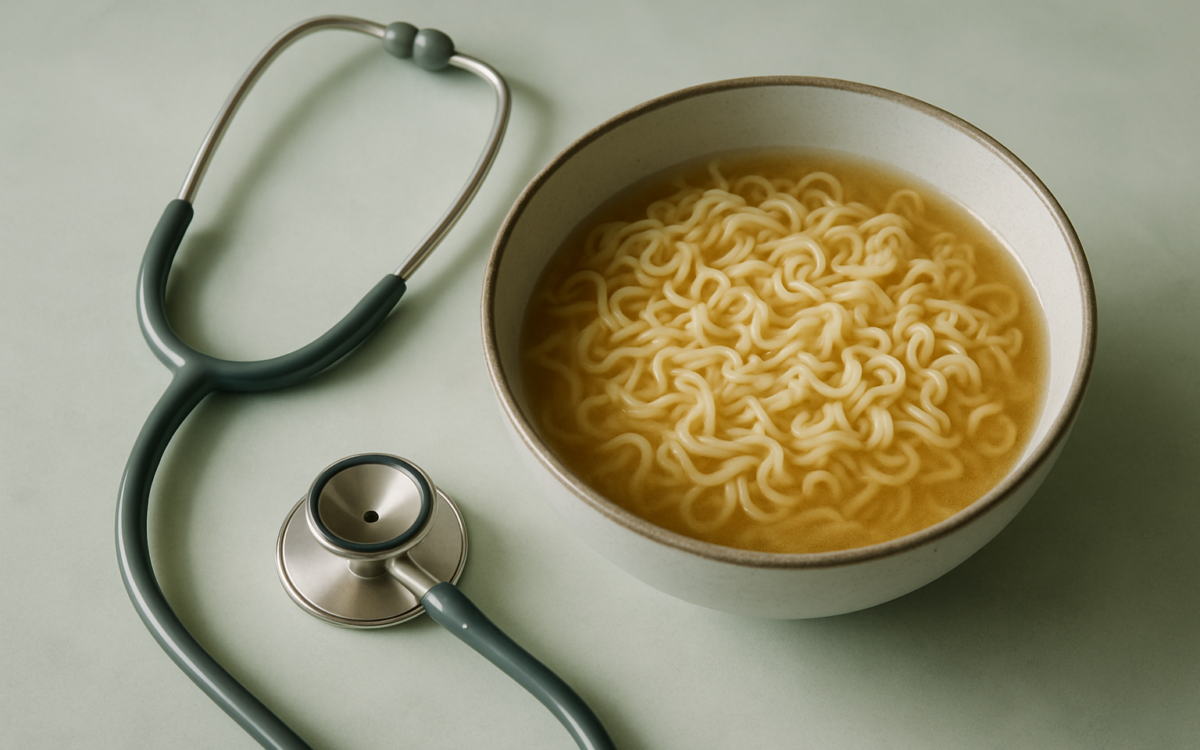
Ramen has surged in popularity as a quick and tasty meal choice. Whether you enjoy it at a dining establishment or prefer the convenience of instant noodles, it’s hard to ignore the cultural impact of this beloved dish. However, questions about its health effects have come to light. Is ramen bad for you? Let’s dive into its nutritional profile, explore its health effects, and discuss how to enjoy it wisely.
Nutritional Profile of Ramen
The nutritional value of ramen varies significantly between traditional ramen and instant varieties. Traditional ramen, typically served in ramen shops, consists of fresh ingredients, including alkaline noodles, broth, meat, and vegetables. This variety offers a more balanced meal with protein, vitamins, and minerals.
On the other hand, instant ramen, known for its ease of preparation, often contains refined flour and a high level of sodium. A single serving of instant noodles can have around 400-500 calories, but this can spike when you add seasoning packets, which frequently contain preservatives and flavor enhancers. In addition, instant ramen lacks essential nutrients such as fiber, vitamins, and minerals commonly found in fresh ingredients.
Sodium Levels and Health Risks
One of the primary health concerns associated with ramen—particularly instant ramen—is its high sodium content. A single serving may contain up to 75% of the recommended daily intake of sodium. Excessive sodium can lead to elevated blood pressure, increasing your risk for heart disease and stroke. The CDC recommends that most adults limit their sodium intake to less than 2,300 mg per day.
For individuals with pre-existing conditions like hypertension or heart problems, it’s particularly important to be mindful of sodium intake. If you find yourself relying on instant ramen as a quick meal option, consider balancing it with fresh vegetables or proteins to help reduce the overall sodium impact.
Healthy Modifications and Serving Suggestions
You don’t have to give up ramen entirely to eat healthier. Here are some tips for making your ramen more nutritious:
- Add Vegetables: Enhance your ramen with fresh or frozen vegetables. Spinach, bok choy, carrots, and peppers make great additions that boost nutrients while adding color and flavor.
- Opt for Lean Proteins: Add cooked chicken, tofu, or fish to your ramen for a protein boost. These options can help create a more balanced meal.
- Limit the Seasoning Packet: Instead of using the entire seasoning packet, try using just a portion to control the sodium level.
- Choose Whole Grain Noodles: Some brands offer whole grain or vegetable-based noodles. These options can provide more fiber and essential nutrients compared to standard options.
Potential Health Benefits of Ramen
Interestingly, ramen isn’t all bad! In moderation and when prepared thoughtfully, ramen can offer several potential benefits:
- Quick Meal Solution: Ramen provides a convenient meal option for busy individuals, saving time in the kitchen.
- Comfort Food: Many people find eating ramen to be a comfort experience, which can be beneficial for emotional well-being and stress relief.
- Customizable Dish: Its versatility means you can adapt it according to your dietary needs. Whether you’re vegetarian, gluten-free, or looking for high-protein options, you can modify ramen to suit your preferences.
Understanding Ramen’s Place in a Balanced Diet
Like many other comfort foods, ramen can fit into a balanced diet if consumed mindfully. It’s essential to treat ramen as an occasional indulgence rather than a regular staple. Pay attention to portion sizes and the overall balance of nutrients in your meals.
When assessing any food’s healthiness, consider how it fits into your overall dietary pattern. Eating a variety of foods rich in nutrients, including fruits, vegetables, whole grains, and lean proteins, is crucial for optimal health. The World Health Organization emphasizes the importance of consuming a diverse range of foods to maintain health.
When to See a Doctor
If you have concerns about how ramen or any dietary choices are affecting your health, particularly if you experience symptoms like high blood pressure, bloating, or digestive issues, it’s a good idea to consult with a healthcare professional. They can provide personalized advice based on your unique health situation.
Conclusion
So, is ramen bad for you? The answer isn’t straightforward. While instant ramen can have drawbacks due to its high sodium and low nutritional content, it can be enjoyed as part of a balanced diet if consumed thoughtfully. By incorporating vegetables, lean proteins, and using less of the seasoning, you can savor this beloved dish without compromising your health. Enjoy ramen mindfully and remember to pay attention to your overall eating habits!
